

That dead vehicle in the driveway usually stops being “something I’ll deal with later” the moment a neighbor complains, the grass grows around it, or you realize it has been sitting for months without moving. If you’re asking, can a nonrunning car be removed, the short answer is yes. In most cases, a nonrunning, damaged, uninsured, or long-abandoned vehicle can be hauled away without you fixing it first.
What matters is not whether the car starts. What matters is whether the owner can authorize the removal and whether the vehicle can be accessed safely. That is good news for homeowners and families dealing with a car that has become more of a problem than a project.
Can a nonrunning car be removed from private property?
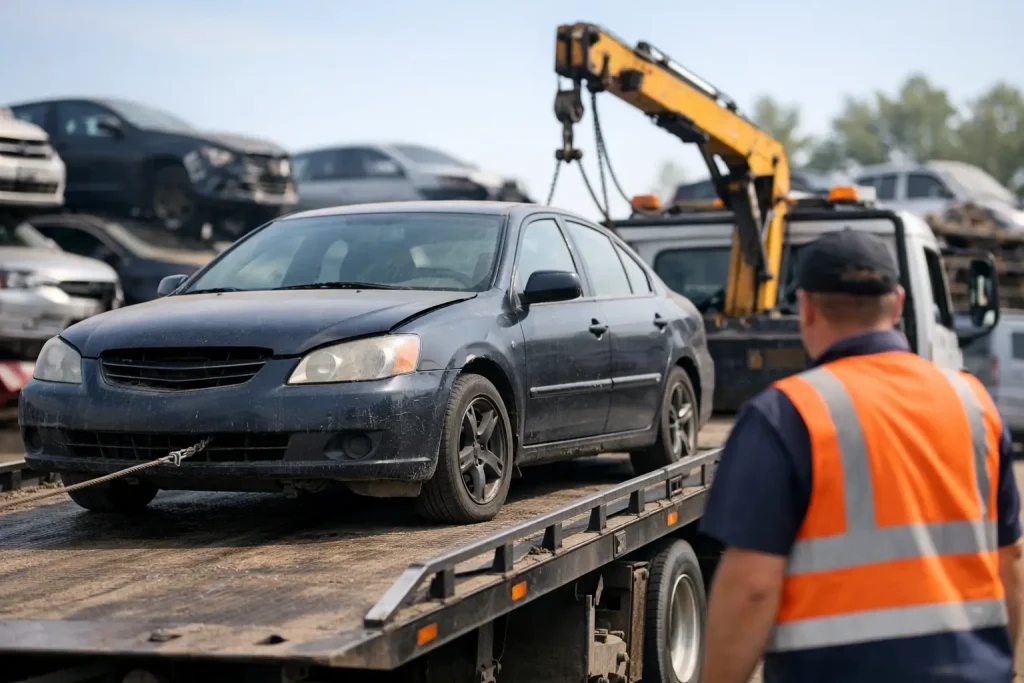
Yes, a nonrunning car can usually be removed from private property, including driveways, garages, side yards, barns, shops, and rural lots. A professional vehicle removal company brings the right equipment to load a car that will not start, will not shift properly, or has been parked for a long time.
This is where many people get stuck. They assume a tow company only wants a vehicle that can roll freely or start with a boost. That is not always the case. Nonrunning vehicle removal is a common service because so many unwanted cars have major issues – bad transmissions, seized engines, electrical failures, rodent damage, flat tires, or missing paperwork that stalled plans to repair or sell them.
If the vehicle is on your own property and you have the right documents, the process is usually straightforward. If it is blocked in by other vehicles, sunk into soft ground, or parked in a very tight spot, removal may still be possible, but the company will want to know that before arrival.
What makes a vehicle “nonrunning” for removal?
A nonrunning car does not need to be completely wrecked. It simply means the vehicle cannot be driven away under its own power. That might include a car that will not start, one that starts but dies immediately, or one that runs but cannot move safely because of major mechanical problems.
Sometimes the issue is obvious, like a blown engine. Other times it is more practical than mechanical. An uninsured car that has been sitting for a year may technically still start, but if it cannot legally be driven and you do not want to spend more money on it, removal is often the better option.
That is why the answer to can a nonrunning car be removed depends less on the exact defect and more on the overall situation. If the vehicle is unwanted, inaccessible to normal driving, or no longer worth repairing, removal is often the simplest way forward.
What you usually need before pickup
Most people do not need a stack of paperwork, but they do need a few basics in place. The main thing is proving you have the right to release the vehicle. In many cases that means a title, registration, or other ownership document along with ID.
If the paperwork is missing, do not assume you are stuck. Some local removal companies can still tell you what options exist based on your situation. A car left on family property after a move, a vehicle from an estate, or an older farm car with lost paperwork may require a few extra steps, but it is often still manageable.
It also helps to be ready with basic details when you call. The year, make, model, location, and condition all help the removal company plan the right equipment and timing. If the car has not moved in years, has no keys, or is parked behind a locked gate, say so upfront. That saves time for everyone.
How nonrunning car removal actually works
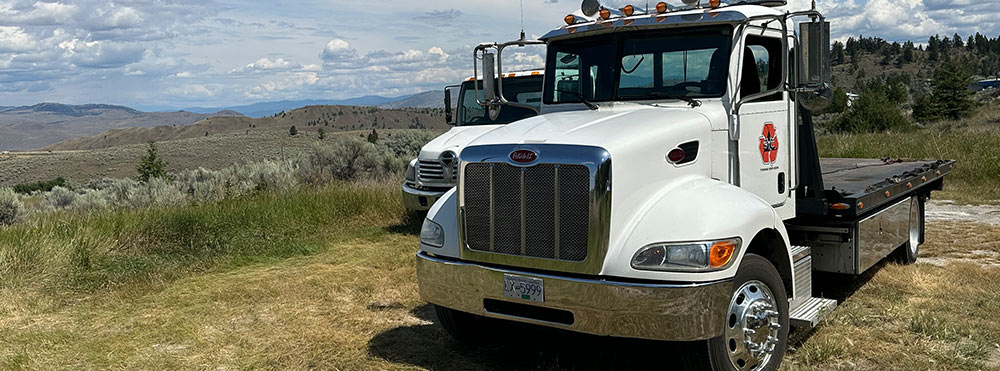
For most owners, the process is much easier than they expect. You call, describe the vehicle, confirm the location, and arrange a pickup window. The removal team arrives with equipment designed to load vehicles that do not run.
They assess access first. If the vehicle is in a normal driveway or open yard, loading is usually quick. If it is nose-first against a fence, buried in snow, or wedged beside a garage, the process may take a little longer. That does not necessarily stop the removal. It just changes how the job is handled.
Once the paperwork is confirmed, the vehicle is loaded and taken away. You do not need to troubleshoot it, air up tires, or spend the weekend trying to make it start one last time. For a lot of people, that is the real value. The problem leaves without turning into another repair bill or another month of procrastination.
When fast removal makes the most sense
There is a difference between a car you are actively repairing and a car that is just taking up space. If the vehicle has been sitting through multiple seasons, has become an eyesore, or keeps getting pushed down the to-do list, quick removal usually makes sense.
This is especially true when the car creates stress beyond the mechanical problem. Maybe the city has rules about inoperative vehicles. Maybe you are tired of explaining to visitors why it is still there. Maybe you need the space for a working vehicle, trailer, or family use. A dead car can quietly become a bigger property issue than most people expect.
In communities across the Interior, this comes up often with older vehicles parked in driveways, rural yards, and outbuildings. Snow, moisture, and long periods of sitting tend to make the situation worse, not better. What looked fixable two years ago can turn into a permanent storage problem.
What can delay or complicate removal
Even when the answer to can a nonrunning car be removed is yes, there are a few situations that can slow things down. Ownership issues are the biggest one. If the car is not in your name, or if there is confusion about who has legal authority to release it, that needs to be sorted out first.
Access is the next common issue. A vehicle that is boxed in by other equipment, parked on a steep embankment, or surrounded by debris may still be removable, but it requires better planning. The more accurate you are on the phone, the smoother the pickup tends to go.
There are also cases where people keep waiting because they think they should try one more repair. Sometimes that makes sense. If the vehicle has real value and the fix is minor, repairing it may be worth the effort. But if you are facing repeated breakdowns, major engine or transmission problems, or a car that has already sat unused for a long time, continuing to store it can cost more than people realize in space, stress, and liability.
Why people remove nonrunning cars instead of fixing them
For some owners, the decision is purely financial. The repair estimate is higher than the car is worth. For others, it is about time and hassle. They do not want to arrange diagnostics, source parts, or coordinate towing just to learn the vehicle still is not worth saving.
There is also the safety side. Nonrunning vehicles can attract leaks, pests, broken glass, and general clutter around the property. If children play nearby or the car is sitting where other vehicles need to pass, leaving it in place stops being harmless.
A direct removal service solves that quickly. One call can replace a chain of smaller headaches – no arranging separate transport, no trying to move a dead vehicle yourself, and no waiting for the “right time” that never seems to come.
Choosing the right local removal service
When you need a nonrunning car gone, local experience matters. A company that regularly handles residential pickups understands narrow driveways, rural access, weather delays, and the reality that not every vehicle is sitting in a perfect towing position.
That is also why phone-based service still matters. Being able to explain the condition of the car to a real person is often more useful than filling out a generic online form. You can ask what documents are needed, describe access issues, and get a clear sense of how quickly the vehicle can be picked up.
A dependable local company should sound prepared, not vague. They should ask practical questions, explain the process plainly, and make the next step easy.
If that old vehicle has been sitting there long enough, you probably already know the answer. Yes, a nonrunning car can be removed – and once it is gone, the relief is usually immediate.