That old car in the driveway usually stops being “something I’ll deal with later” when the neighbors mention it, the bylaw notice shows up, or it won’t move at all. If you’re wondering how to get rid of junk vehicle problems without turning it into a second job, the good news is that it can be simple. The key is knowing when to stop putting money into a dead-end vehicle and start arranging removal.
For most people, this is not really about the car. It’s about the space it takes up, the stress it creates, and the constant feeling that it still needs one more repair, one more tow, or one more month to decide. A junk vehicle is often a practical problem, not a sentimental one. Once you look at it that way, the next step gets a lot easier.
How to Get Rid of Junk Vehicle Trouble Without Wasting Time
The fastest path is usually the simplest one. If the vehicle is non-running, badly damaged, uninsured, or has been sitting long enough that you no longer trust it, you generally have three options: try to sell it privately, keep storing it, or arrange professional removal. Private selling can work in some cases, but it often means dealing with no-shows, lowball offers, repeated messages, and buyers who expect you to solve towing.
Keeping it is the option people drift into by default. That tends to be the most expensive choice over time. Even when the car is not being driven, it still takes up room, creates an eyesore, and can become a safety issue. On rural properties, vehicles that sit too long often become homes for rodents. In town, they can attract complaints if they look abandoned or are obviously not roadworthy.
Professional removal makes the most sense when your priority is speed and relief. One phone call, a pickup time, and the vehicle is gone. That matters when you’re trying to clear a driveway, deal with an estate, get a rental property cleaned up, or avoid spending another weekend trying to figure out what to do with a car that has already made its decision for you.
Start With the Basics
Before you arrange pickup, confirm a few details. First, make sure you actually want the vehicle gone and are not waiting on a mechanic’s opinion that is unlikely to change the outcome. If the transmission is gone, the engine has major internal damage, electrical problems keep stacking up, or the vehicle has been parked for months or years, the value of repairing it often disappears fast.
Next, gather whatever paperwork you have. In many cases, the most important thing is proving ownership or having the registration available. If you’re missing documents, don’t panic. The right next step depends on the vehicle and your situation. A local removal company can usually tell you what they need before pickup so you are not guessing.
It also helps to remove your personal items before the truck arrives. Check the glove box, center console, trunk, under seats, and any storage bins. People are often surprised by what they forgot was in there – garage remotes, tools, paperwork, kids’ gear, sunglasses, or old plates.
When a Vehicle Is Officially Not Worth Keeping
A lot of owners wait too long because they want certainty. They want a mechanic to say, beyond any doubt, that the vehicle is finished. Real life is usually less dramatic than that. A vehicle can still technically be repairable and still not be worth keeping.
That difference matters. If the repair bill is higher than what the vehicle is realistically worth to you, that is usually your answer. The same goes for a car that starts becoming unreliable in expensive ways. One major fix can turn into three. A blown head gasket can lead to cooling issues. Long-term sitting can lead to battery problems, brake issues, rodent damage, and tire flat spots. A car that has become a storage burden is already costing you something, even if that cost is not on an invoice.
There is also the liability side. Uninsured or abandoned-looking vehicles can create problems on private property. If it rolls, leaks, attracts complaints, or creates hazards for kids and pets, the practical value of removing it increases quickly.
What to Expect From a Junk Vehicle Pickup
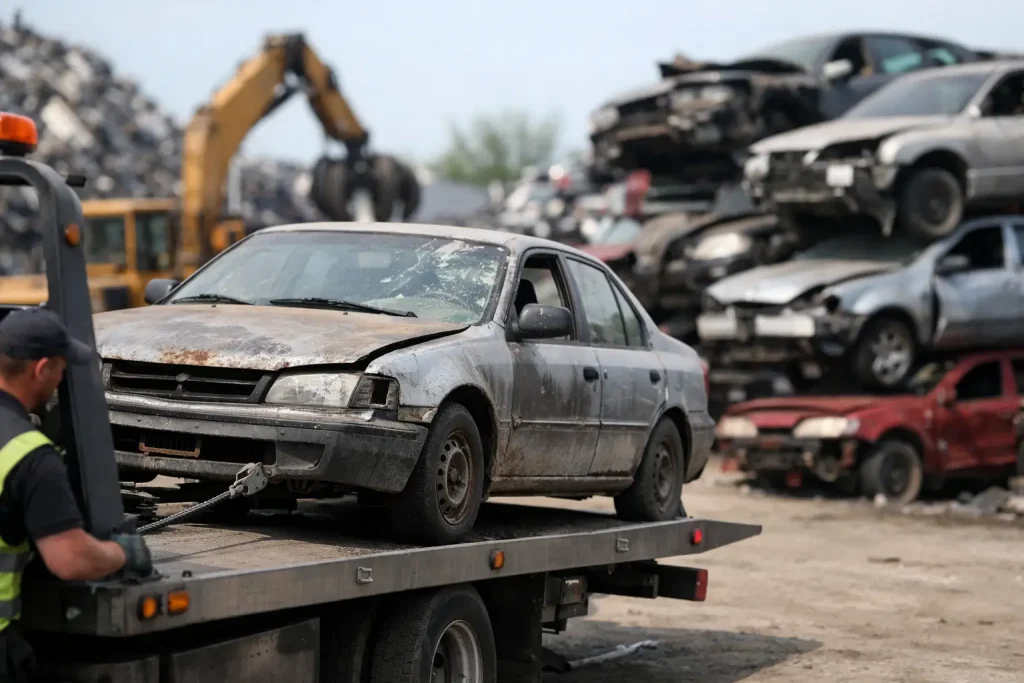
A professional pickup should feel straightforward. You call, describe the vehicle, confirm the location, and set a time. In some cases, same-day or rapid pickup is available, which is especially helpful when the vehicle is blocking access or needs to be gone before a move, inspection, or property cleanup.
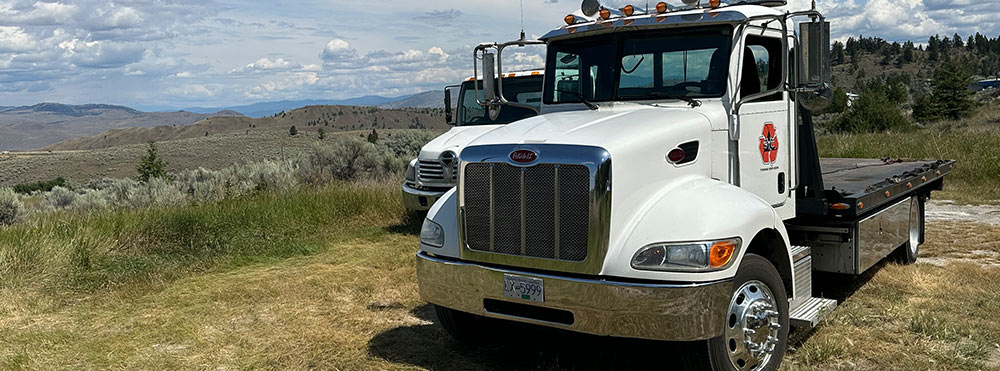
The driver typically arrives with the right equipment to load a non-running vehicle safely. That is a big advantage over trying to arrange multiple people, borrow equipment, or hope a private buyer shows up prepared. If the car has been sitting in a tight spot, on soft ground, or in a backyard access area, mention that when you call. Small details like that help avoid delays.
This is where working with a local company matters. A crew that regularly serves Interior communities understands that not every junk vehicle is sitting neatly on a paved city driveway. Some are tucked behind shops, barns, fences, or rural homes. Experience saves time.
How to Get Rid of a Junk Vehicle If You’re Missing Information
People often delay pickup because they think they need to solve every issue first. Sometimes you do need to sort out ownership details. But often, you just need to make the call and ask what is required for your specific case.
If the vehicle belonged to a family member, was part of an estate, has been parked for years, or has missing paperwork, say that upfront. The right removal service will tell you what can be handled now and what needs to be sorted first. That beats searching generic advice online and trying to guess what applies to your situation.
The same goes for vehicles with obvious damage. If it doesn’t run, has body damage, or has been sitting for a long time, mention it. Clear information helps the pickup go smoothly and keeps the process simple.
Why People Put This Off
Most people do not avoid removal because it is hard. They avoid it because it feels annoying, unfamiliar, or easier to handle later. But later usually means a dead battery becomes a seized brake, a clean-out turns into a bigger mess, or the vehicle becomes one more unfinished problem attached to the property.
There is also a mental cost to seeing that vehicle every day. It becomes background stress. Every time you mow around it, park around it, explain it, or promise yourself you’ll deal with it soon, it takes up more space than the square footage it sits on.
That is why fast removal has real value. It replaces an open-ended problem with a scheduled solution.
Choosing the Right Help
Not every option is equal. You want a service that answers the phone, gives clear instructions, shows up when promised, and handles the removal professionally. Friendly service matters, but reliability matters more. If you’re trusting someone to come onto your property and remove a vehicle, you want that process to be organized and respectful.
For homeowners and property owners in places like Salmon Arm, Vernon, Kelowna, Kamloops, and surrounding communities, local coverage can make a real difference. A company that already works in the area is more likely to understand access issues, travel times, and the urgency behind getting a problem vehicle out of the way quickly.
Scrap Your Car fits that need because the service is built around one thing: removing unwanted vehicles without dragging the process out. That kind of focus is useful when you do not want a quote maze, a listing process, or a week of waiting.
A Few Final Things to Do Before Pickup
Once your pickup is booked, make sure the vehicle is accessible. If another car is blocking it, move that first. If you have paperwork ready, place it somewhere easy to grab. Remove valuables and anything you need to keep. Then let the service do the heavy lifting.
If the vehicle has been a long-running headache, don’t overthink the last step. You do not need to squeeze one more season out of a car that has already cost you time, space, and peace of mind. Sometimes the smartest repair decision is not another repair at all.
A junk vehicle rarely gets better by sitting longer. Once you’re ready, one call can turn a driveway problem back into usable space.