
An uninsured vehicle can become a problem long before it becomes a pile of rust. It takes up a parking spot, attracts questions from neighbors, and can leave you worrying about safety, bylaws, or what happens if it rolls, leaks, or gets damaged. This guide to removing uninsured cars is for property owners who are ready to stop looking at that unwanted vehicle and get it hauled away properly.
Whether the car stopped running after a major mechanical failure, has been sitting since its insurance lapsed, or simply is not worth repairing, the goal is the same: clear your property without adding another stressful job to your list.
Why an uninsured car should not sit for long
Many people keep an uninsured car because they plan to deal with it “soon.” Then one season turns into several. The vehicle sinks into soft ground, becomes harder to move, collects debris, or turns into an eyesore near the house, driveway, shop, or yard.
An uninsured vehicle also creates a practical liability concern. It should not be driven on public roads, and even a car parked on private property can create trouble if it is unstable, accessible to children, or causes a spill. Rural properties can make the situation more complicated. A vehicle tucked behind a barn or at the edge of a field may be out of sight, but it is still taking up usable space and may be more difficult to remove later.
There is also the question of local property standards. Rules vary by community, but a visibly derelict vehicle can lead to complaints or bylaw attention. Removing it before the issue grows is usually easier than waiting for a notice or deadline.
First, decide whether removal is the right move
Not every uninsured car needs to be removed immediately. If the vehicle is safe, stored securely, and has a realistic repair plan, keeping it may make sense. The key word is realistic. A car with a minor repair and parts already lined up is different from one with a failed transmission, severe electrical problems, rodent damage, or years of deferred maintenance.
Ask yourself a few direct questions. Is the vehicle likely to run again without spending more than it is worth? Do you have a clear timeline for the repair? Is it blocking access, taking up storage space, or creating stress every time you see it? If the answers point toward no, removal is often the cleanest solution.
Do not let sunk costs make the decision for you. Money already spent on repairs, registration, or maintenance is gone either way. What matters now is whether keeping the car serves a useful purpose.
What to do before arranging uninsured car removal
A little preparation helps the pickup go quickly. You do not need to turn the process into a major project, but you should make sure the vehicle can be identified and accessed.
Start by finding the ownership paperwork or registration documents. A professional removal company will need to confirm that you have the authority to dispose of the vehicle. If the paperwork is missing, do not guess or try to hide the problem. Explain the situation when you call. There may be steps you can take to verify ownership before removal can be scheduled.
Next, remove your personal belongings. Check the glove box, console, trunk, under the seats, door pockets, and any storage compartments. Old vehicles have a way of holding onto garage remotes, documents, prescription glasses, work tools, and family items that were forgotten years ago.
Make the pickup area as accessible as possible. Move other vehicles if they block the way, unlock gates, and let the removal team know about steep driveways, narrow lanes, soft ground, or low branches. If the car has been sitting for a long time, be honest about its condition. A non-running vehicle in a tight spot can still be removed, but clear information lets the crew arrive prepared.
Do not try to drive it to solve the problem
An uninsured car should not be driven on public roads just because it is going to be removed. A short trip to a shop, a friend’s property, or a disposal site can become expensive and dangerous if something goes wrong. Arranging pickup from where the vehicle sits is the safer, simpler option.
The same goes for trying to tow it yourself without the right equipment. Older vehicles can have seized brakes, flat tires, damaged steering, weak suspension components, or hidden structural issues. What looks like a quick tow can turn into a blocked driveway, property damage, or an unsafe roadside situation.
A simple guide to removing uninsured cars safely
The easiest removal process starts with one phone call. Describe the vehicle, its general condition, and where it is located. Mention whether it starts, whether it can roll, and whether access is straightforward. You should also be ready to confirm that the vehicle is yours to authorize for removal.
From there, the removal company can discuss timing and what to have ready. For many unwanted vehicles, rapid or same-day pickup may be possible, depending on location and scheduling. That can be especially helpful when you are dealing with a move, an estate cleanup, a landlord deadline, or a vehicle that has suddenly become a safety concern.
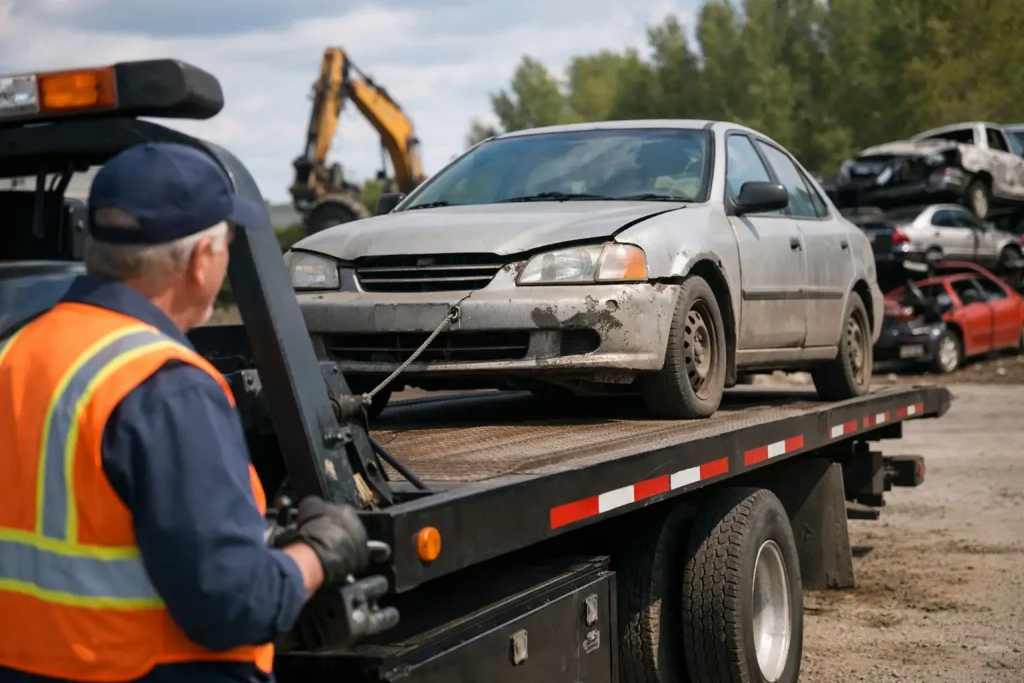
At pickup, the team should handle loading and hauling so you are not left figuring out equipment, transport, or where the vehicle needs to go. Your job is to provide access, have the ownership information available, and make sure you have taken out what you want to keep.
For homeowners across Salmon Arm, Vernon, Kelowna, Kamloops, and surrounding Interior communities, local service matters. A company familiar with rural driveways, seasonal road conditions, and properties outside town can often make the process much less complicated.
Situations that may need an extra conversation
Some removals are simple, while others need more planning. A vehicle on a steep slope, in deep snow, behind another disabled vehicle, or sitting on soft ground may require a different approach. The same is true if it is located in a carport, near a fence, or down a narrow access road.
Ownership questions also deserve attention. If the vehicle belonged to a family member, was left behind by a tenant, or is part of an estate, do not assume you can authorize removal without documentation. The right answer depends on the ownership situation. Sorting that out first protects everyone involved and prevents delays on pickup day.
If the car has visible fluid leaks or presents a fire hazard, say so when you call. Keep people and pets away from the vehicle until it is removed, and do not attempt repairs if you are unsure what you are dealing with. Safety comes before speed.
Clear the space and move on
Getting rid of an uninsured vehicle is not only about the car. It is about getting your driveway, yard, shop area, or parking space back. It means one less repair decision hanging over your head and one less thing to explain when visitors, neighbors, or buyers come by.
A professional removal service takes the hard part off your hands: no searching for a way to move a non-running car, no borrowing equipment, and no risking a trip on the road without insurance. Scrap Your Car provides straightforward local pickup for unwanted vehicles, with a focus on getting the job done safely and without the runaround.
If that uninsured car has been sitting long enough to become part of the landscape, it is probably time to make the call. Clear the space, remove the worry, and get back to using your property the way you want.