

That old vehicle can become a bigger problem every month it stays where it is. It takes up parking space, creates an eyesore, may attract bylaw concerns, and can be difficult to move once it has been sitting for a long time. This guide for junk car pickup steps explains what happens before the truck arrives, what you can do to prepare, and how to keep removal day simple.
For most homeowners, the goal is not a complicated vehicle project. It is getting an unwanted, damaged, uninsured, or non-running car off the property quickly and professionally. A few minutes of preparation helps make that happen.
Guide for Junk Car Pickup Steps Before You Call
Start by gathering the basic details about the vehicle. The pickup company will usually need to know the year, make, model, general condition, and where it is located. Be clear about whether it starts, rolls, has been parked for years, or is blocked in by another vehicle.
This information is not about making the process difficult. It helps the removal team arrive with the right equipment and plan a safe pickup. A car parked in an open driveway is different from one sitting behind a gate, at the back of an acreage, or on a narrow rural road.
You should also check what ownership paperwork you have available. Requirements can vary depending on the vehicle and situation, so be upfront if you cannot find the registration or have questions about ownership documents. A professional local pickup company can tell you what information they need before scheduling the removal.
When you call, give the most accurate description you can. Mention steep driveways, soft ground, low-hanging branches, locked gates, tight turns, or a vehicle that cannot be accessed from the road. These details prevent surprises and help avoid delays on pickup day.
Choose a Pickup Time That Works for Your Property
Fast service matters when a vehicle is causing a problem, but access matters just as much. If the vehicle is in a shared driveway or behind another car, plan a time when the route is clear. Move any vehicles that could block the truck’s approach if you can do so safely.
For properties in Salmon Arm, Vernon, Kelowna, Kamloops, and surrounding Interior communities, conditions can change quickly with weather and terrain. A muddy shoulder, icy driveway, or soft field may affect where the truck can safely travel. Let the dispatcher know about those conditions when you schedule.
Same-day pickup may be possible depending on the location, demand, and the vehicle’s access. If you need removal by a certain day because of a move, a property cleanup, or a bylaw deadline, say so right away. Clear timing gives the removal company the best chance of meeting your schedule.
Confirm the Contact Person
Make sure the person meeting the driver can answer the phone around the scheduled window. If someone else will be there, tell the company in advance. The driver may need help identifying the correct vehicle, opening a gate, or confirming where the vehicle is parked.
A simple phone call before arrival can save a wasted trip, especially at rural properties or homes with multiple driveways.
Prepare the Vehicle Without Creating More Work
You do not need to repair, wash, inflate, or make an old vehicle look presentable before arranging pickup. That is the point of calling a professional. Still, there are a few practical things to handle before the truck arrives.
First, remove personal belongings. Check the glove box, center console, trunk, under the seats, door pockets, and any storage areas. Old vehicles often hold registration papers, sunglasses, tools, garage remotes, parking passes, and items that were forgotten years ago. Take a careful look before the vehicle leaves the property.
Second, remove anything around the vehicle that could make access harder. Garden hoses, bins, lawn furniture, loose lumber, and children’s toys can all get in the way. You do not need to clear an entire yard, but the driver should have a safe path to the vehicle.
Third, have the keys ready if you have them. A vehicle can often still be picked up without keys, but having them available may make positioning easier. If you do not have keys, mention that during the initial call rather than waiting until the driver arrives.
If the vehicle is sitting close to a fence, garage, retaining wall, or another parked vehicle, do not attempt to force it out yourself. Old brakes can seize, tires can sink, and a vehicle that has not moved in years can behave unpredictably. Let the pickup crew assess the safest way to load it.
What Happens When the Pickup Truck Arrives
The driver will confirm the vehicle and assess the access point before loading begins. This is when accurate information from your call pays off. If the vehicle is in the location described and the path is clear, the process is usually straightforward.
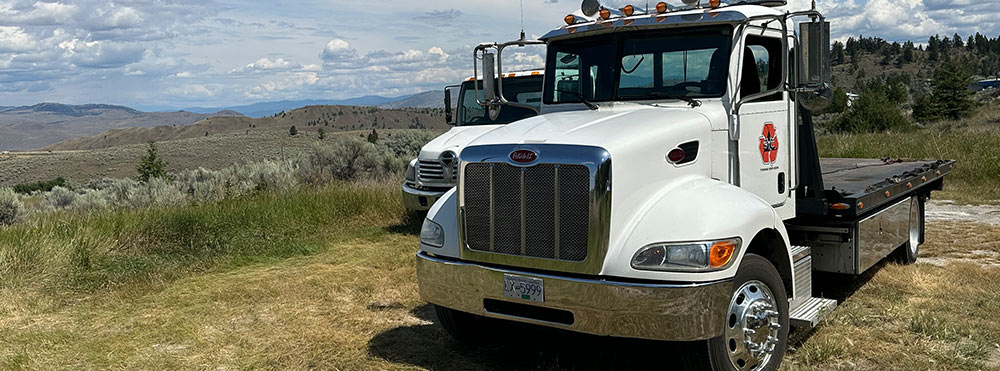
The crew will use professional loading equipment suited to the vehicle’s condition and position. A car that does not run, has a mechanical failure, or has been sitting for a long time is a routine situation for a junk car pickup service. You are not expected to get it running or push it into the street.
Stay available while the vehicle is being loaded, but give the driver room to work. Keep children and pets away from the loading area. Equipment, moving vehicles, and changing ground conditions require attention, even during a quick pickup.
Before the truck leaves, take one last look through the vehicle and the surrounding area. Confirm that you have removed what you need and that the correct vehicle is being taken. This final check is especially useful when there are several vehicles on the property.
Common Issues That Can Delay Pickup
Most delays are avoidable, and they usually come down to access or missing details. A vehicle may be blocked by another car, hidden behind a locked gate, parked on unstable ground, or difficult to identify. The best solution is simple: describe the situation honestly before scheduling.
Documentation questions can also slow things down. If ownership is unclear, do not wait until pickup day to raise the issue. Call first, explain what you have, and ask what is needed. The same goes for vehicles that belong to a family member, estate, business, or former tenant. Getting clarification early protects everyone involved.
Weather is another factor. Heavy snow, ice, wildfire-related road restrictions, or poor visibility can affect timing in Interior communities. A dependable company will communicate if conditions require a change, but being flexible when safety is involved is the sensible choice.
When It Is Time to Stop Putting It Off
A vehicle with a bad transmission, major engine trouble, electrical damage, rodent damage, or years of sitting can turn into a permanent fixture if you keep waiting for the right time to deal with it. Meanwhile, it occupies space you could use for parking, storage, visitors, or a cleaner-looking property.
Junk car pickup is a practical solution when repairs no longer make sense or the vehicle is simply no longer part of your plans. Scrap Your Car focuses on making that decision easier with direct, local service and a straightforward pickup process.
The best next step is to make the call while the vehicle details are in front of you. Have the make, model, location, and access information ready, clear the path when pickup is scheduled, and let the professionals handle the heavy work. One call can turn a long-standing property problem into open space again.