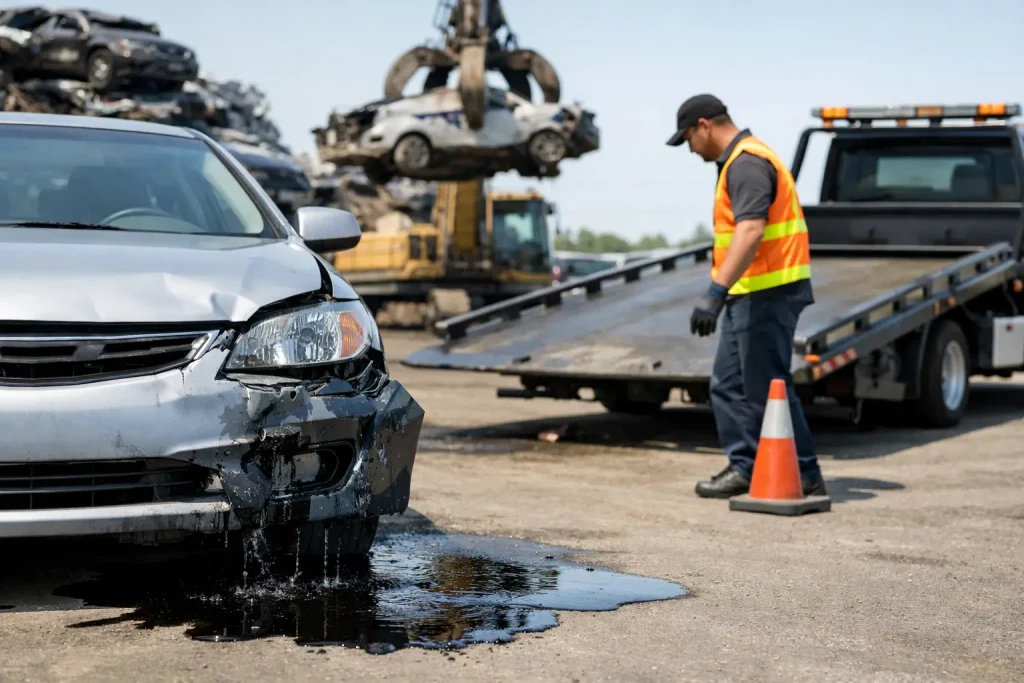
A vehicle leak can turn an old car from an eyesore into a problem fast. If you are wondering how to dispose of a leaking car, the priority is simple: limit the spill, keep people and pets away from it, and arrange safe removal before the vehicle causes more damage to your driveway, yard, or garage.
A car that no longer runs may seem harmless sitting in the corner of the property. But fluids can keep leaking long after the engine quits. Rain can wash those fluids toward soil, drainage areas, or nearby water. On a residential property, that can also create slippery surfaces, unpleasant odors, fire concerns, and complaints from neighbors or local officials.
The good news is that you do not need to repair a vehicle just to get rid of it. For many damaged, uninsured, or non-running vehicles, professional pickup is the most practical next step.
First, identify the immediate risk
You do not need to diagnose the entire vehicle before arranging removal. Still, knowing whether the leak is active and where it is pooling helps you protect the area until the car is gone.
Oil often looks dark brown or black. Transmission fluid may be red or brown. Coolant can be green, orange, pink, or yellow and may have a sweet smell that attracts animals. Fuel has a strong, recognizable odor and deserves extra caution. Brake fluid and other automotive fluids can also leave slick patches on concrete or asphalt.
If you smell gasoline, see a growing puddle, or notice fluid near an ignition source, do not start the vehicle. Keep smoking materials, flames, and anything that could create sparks away from the area. Do not attempt to drive a leaking car down the road just because it still starts. A short trip can turn a manageable leak into a roadside hazard.
Contain the leak without making it worse
Your goal is not a perfect cleanup. Your goal is to stop the fluid from spreading while you make arrangements for the vehicle.
Place a shallow drip pan, absorbent pads, or clean cardboard beneath the active leak if it is safe to do so. Cardboard is only a temporary barrier and can become saturated quickly, so check it often. For a larger spill, use an automotive absorbent material or a suitable spill-cleanup product from a local hardware store. Keep pets and children away until the affected area is cleaned.
Avoid hosing the spill into the street, a storm drain, a ditch, or onto bare ground. Water spreads the contamination instead of solving it. If fluid has reached a drain, creek, pond, or sensitive area of your property, contact your local authority or emergency service for direction, especially if fuel is involved.
Do not crawl underneath a vehicle that is resting on unstable ground, flat tires, blocks, or a jack. Old vehicles can shift unexpectedly. A leaking car is not worth an injury.
How to dispose of a leaking car without driving it
The safest answer is usually to have the vehicle removed from where it sits. This is particularly true when it has a major mechanical failure, has been sitting for months, has no insurance, or is leaving fluids on the property.
When you call a vehicle removal company, be clear about the condition of the car. Tell them that it leaks, whether it runs, where it is parked, and whether the access route is tight, steep, muddy, or blocked by other vehicles. A good local removal service can plan for a non-running car and arrive prepared to load it without asking you to get it roadworthy first.
You should also have proof of ownership available. Requirements can vary by situation, but having your vehicle registration, title, or other ownership documents ready helps prevent delays. If you are dealing with a family member’s vehicle, an estate, or a car that has been sitting on a rural property for years, explain that upfront so you know what paperwork may be needed.
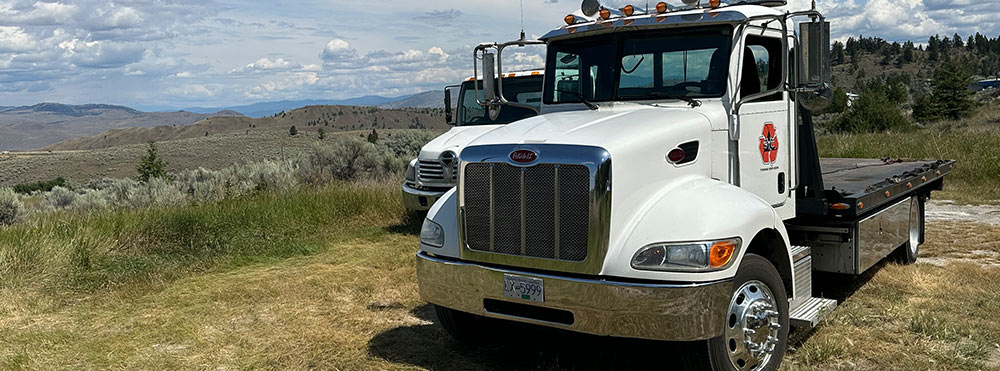
Once the car is loaded, the removal provider takes responsibility for getting it to the appropriate destination. That means you avoid the risk of moving a leaking vehicle yourself, trying to borrow a trailer, or leaving it on your property while the problem gets worse.
Do not rely on a quick driveway fix
It is tempting to place a pan under the car and put off the decision. For a day or two, that may be reasonable if you are waiting for a scheduled pickup. As a long-term plan, it usually creates more work.
Drip pans overflow. Animals can knock them over. Wind and rain can spread fluid beyond the original spot. In winter, snow may hide the problem until the thaw sends contaminated water across your driveway or yard. In hot weather, odors and fumes can become more noticeable.
Repairing the leak may make sense if the vehicle is reliable, insured, and worth keeping. But if it also has a failed transmission, serious engine trouble, electrical issues, rodent damage, or expensive repair needs, putting more money into it may not be the practical choice. It depends on the vehicle’s overall condition, not just the one visible leak.
Prepare the vehicle for pickup
A little preparation makes removal faster and safer. Remove personal belongings from the glove box, center console, trunk, under the seats, and any storage areas. Check for garage remotes, documents, prescription items, tools, mail, and parking passes. People are often surprised by what turns up in a vehicle that has been parked for a long time.
If you can do so safely, make a clear path to the vehicle. Move other cars, lawn equipment, or obstacles that could interfere with access. Let the removal company know about low branches, narrow gates, soft ground, or a vehicle parked behind a house. Accurate information helps avoid a wasted trip.
You do not need to clean or repair the car before it is collected. A leaking, damaged vehicle is exactly the kind of problem that should be handled by professionals. Your job is to provide access and ownership information, then let the pickup crew do the heavy work.
When the leak requires urgent action
Most vehicle leaks can be contained briefly while you arrange removal. A few situations call for faster action. Treat the problem as urgent if there is a strong fuel smell, a visible fuel puddle, smoke, signs of fire, fluid entering a drain or waterway, or a spill large enough that you cannot safely contain it.
Move people away from the area and do not start, charge, or work on the vehicle. If there is an immediate fire risk or a significant spill, call emergency services. For less urgent situations, arrange removal as soon as possible rather than waiting for the next repair estimate or a better time to deal with it.
Local pickup makes disposal simpler
For homeowners across Salmon Arm, Vernon, Kelowna, Kamloops, and nearby Interior communities, an unwanted leaking vehicle can be especially frustrating when it is blocking a driveway or taking up valuable space on a rural property. The longer it sits, the more likely it is to create a cleanup job, safety concern, or bylaw headache.
Scrap Your Car provides straightforward local pickup for unwanted, damaged, and non-running vehicles. One call can be the difference between another month of checking puddles under an old car and having the space cleared safely.
A leaking car will not improve by being ignored. Contain what you can, stay clear of serious spills, and arrange removal before a small mechanical problem becomes a property problem.