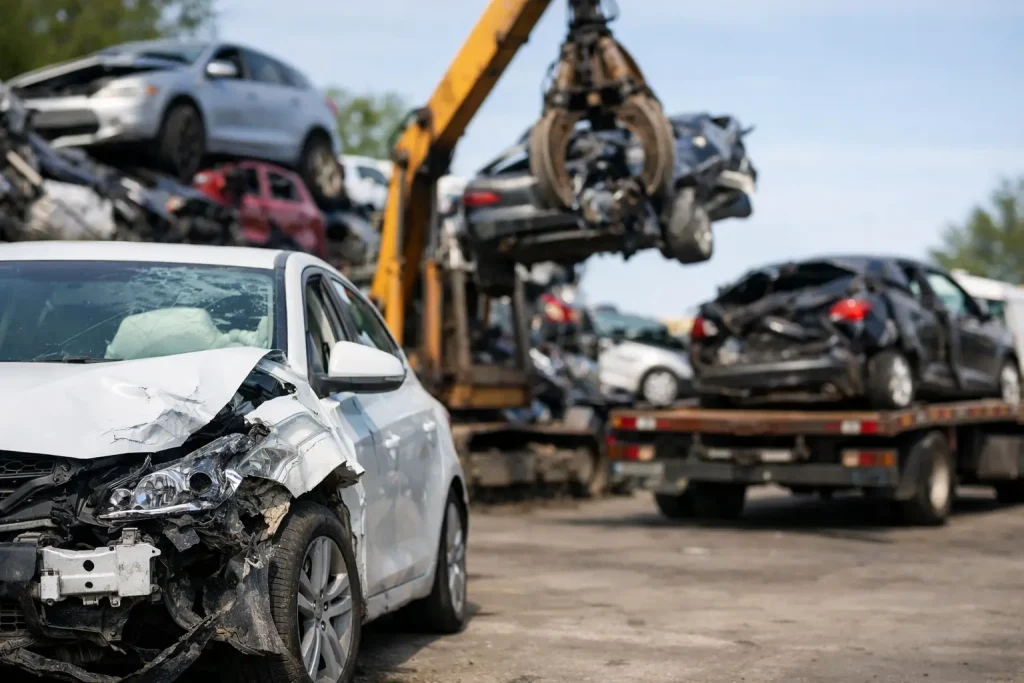
A vehicle with a blown engine, major collision damage, electrical trouble, or years of sitting can become more than an eyesore. It can take up needed space, create a safety concern, and leave you wondering what to do next. The right damaged car disposal options depend on the vehicle’s condition, your paperwork, and how quickly you need it gone.
For many property owners, the deciding factor is simple: does putting more time and money into this vehicle make sense? If the answer is no, the best path is usually the one that removes the problem quickly and properly.
Start With the Vehicle’s Real Condition
Before choosing a disposal route, take an honest look at what happened to the vehicle. A car that needs a minor repair is different from one with a failed transmission, severe rust, flood damage, rodent damage, or a long list of mechanical problems. The age, mileage, overall condition, and cost of repairs all matter.
A repair estimate can help when you are on the fence. If the estimate is close to or higher than the vehicle’s usable value, repairing it may only delay the same decision. This is especially true with older vehicles that have been uninsured or parked for a long time. One repair can reveal another issue, and the bill can grow quickly.
Think about practical use, not just sentimental value. If the car cannot be driven safely, has not moved in months, or is becoming a fixture in the driveway, clearing it from the property may be the sensible choice.
Damaged Car Disposal Options to Consider
There is no single answer for every damaged vehicle. Some choices take more time but may suit a vehicle with remaining value. Others are built for speed and convenience.
Repair it and keep driving
Repairing the vehicle can make sense when the damage is limited and the rest of the car is dependable. It may be worth considering if you know its service history, the repair is affordable, and you need reliable transportation soon.
The trade-off is uncertainty. Major engine, transmission, electrical, or structural issues can be expensive to diagnose and fix. If you are already dealing with repeated breakdowns, another repair may not solve the bigger problem. Get a clear estimate before committing, then compare it with the cost of replacing the vehicle and the chance of future repairs.
Sell it as-is to a private buyer
A damaged vehicle may appeal to a buyer who has the knowledge, time, and equipment to take on a project. This route can work when the vehicle is desirable, relatively complete, and you are willing to handle photos, messages, appointments, and negotiation.
Be clear about the condition. State whether it starts, drives, has been sitting, or needs to be towed. Avoid guessing about problems you do not understand. A straightforward description saves time and helps prevent a difficult conversation later.
Private sales are not always the easiest solution for a non-running vehicle. It can sit longer while you wait for serious inquiries, and you still need a safe way to handle pickup and ownership paperwork. If your goal is to clear the space quickly, this route may create more work than it is worth.
Donate it, if it qualifies
Some organizations accept vehicles, but acceptance rules vary. The vehicle may need to run, have a clear title, be located within a certain service area, or meet other requirements. If you are considering donation, confirm the organization can actually take a damaged or non-running car before making plans.
Donation can feel like a good fit when the vehicle still has usable value and you are not in a rush. It may not be the practical choice for a heavily damaged vehicle that has been parked on rural property, behind a garage, or in a difficult-to-access spot.
Arrange professional junk vehicle removal
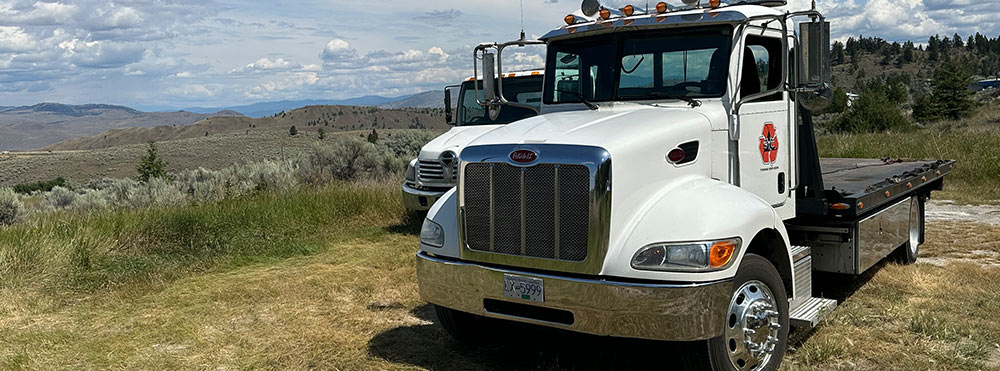
For vehicles that are no longer worth repairing or selling privately, professional removal is often the most direct option. A local removal service can collect a non-running, uninsured, damaged, or unwanted vehicle and get it off your property without requiring you to arrange transportation yourself.
This option is particularly useful when the car is blocking a driveway, taking up a parking spot, creating neighborhood complaints, or becoming a concern around children and pets. It also helps when you simply do not want to spend weekends chasing buyers for a vehicle you are ready to put behind you.
In communities across the Shuswap and Okanagan, quick local pickup can make a real difference. A vehicle sitting through another season can become harder to move and more frustrating to deal with. One call to a professional service can turn an ongoing problem into a completed task.
Do Not Overlook Ownership Paperwork
No matter which option you choose, paperwork matters. Keep your registration and identification available, and make sure you understand what is required to transfer or release the vehicle appropriately. Requirements can vary depending on the vehicle’s status and where it is registered.
If you cannot find your documents, do not assume the vehicle cannot be removed. Call the removal provider or contact the appropriate registration office to ask what documentation is needed in your situation. A reputable local company should explain what information they need before pickup.
It is also smart to remove personal belongings from the vehicle before anyone arrives. Check the glove box, center console, trunk, under seats, and any storage areas. Old vehicles often hold paperwork, keys, garage remotes, work items, or personal keepsakes that were forgotten years ago.
Plan for Access Before Pickup Day
A professional pickup is simple, but a few minutes of preparation can prevent delays. Let the company know whether the vehicle rolls, whether it is parked in a tight space, and whether there are gates, steep driveways, soft ground, or other access concerns. Honest details help the driver arrive with the right plan.
If the vehicle is on a rural lot, behind another vehicle, or has been sitting in tall grass or snow, mention that when you call. There is no need to make the situation sound better than it is. Local removal professionals deal with awkward parking spots and non-running vehicles every day, but they need a clear picture before heading out.
Make sure you can meet the driver or arrange for an authorized person to be present if required. Have your paperwork ready, clear a path where possible, and keep pets safely inside during the pickup. These simple steps help the removal go smoothly and quickly.
When Fast Removal Is the Best Choice
Sometimes waiting is not neutral. An unwanted vehicle can bring bylaw concerns, create clutter around the home, and add stress every time you look outside. It may also become harder to move after sitting through weather changes or sinking into soft ground.
Fast removal makes sense when the vehicle is unsafe to drive, you are moving, you have inherited a property, or you need the driveway back. It is also a practical choice when the car has been uninsured for a long time and there is no realistic plan to repair it.
The goal is not to squeeze one more problem out of a vehicle that has already caused enough headaches. The goal is to choose a clean, legal, low-hassle path that fits your situation.
If that old car is taking up space in Salmon Arm, Vernon, Kelowna, Kamloops, or a nearby Interior community, do not let it become another item on a long to-do list. Scrap Your Car can help you move from frustration to an empty parking space with a simple call and a professional pickup.