
An old vehicle can go from an inconvenience to an expensive problem faster than most owners expect. Learning how to avoid vehicle fines starts with one practical decision: do not let an uninsured, unsafe, or unwanted vehicle sit long enough to attract complaints, enforcement attention, or further liability.
For homeowners and rural property owners, the issue is not always a car parked neatly out of sight. It is often a vehicle with a major mechanical failure, expired insurance, broken glass, fluid leaks, rodent damage, or a history of being moved from one corner of the property to another. When it is no longer being driven and there is no realistic repair plan, leaving it in place can create risks that are easy to overlook.
Why unwanted vehicles can lead to fines
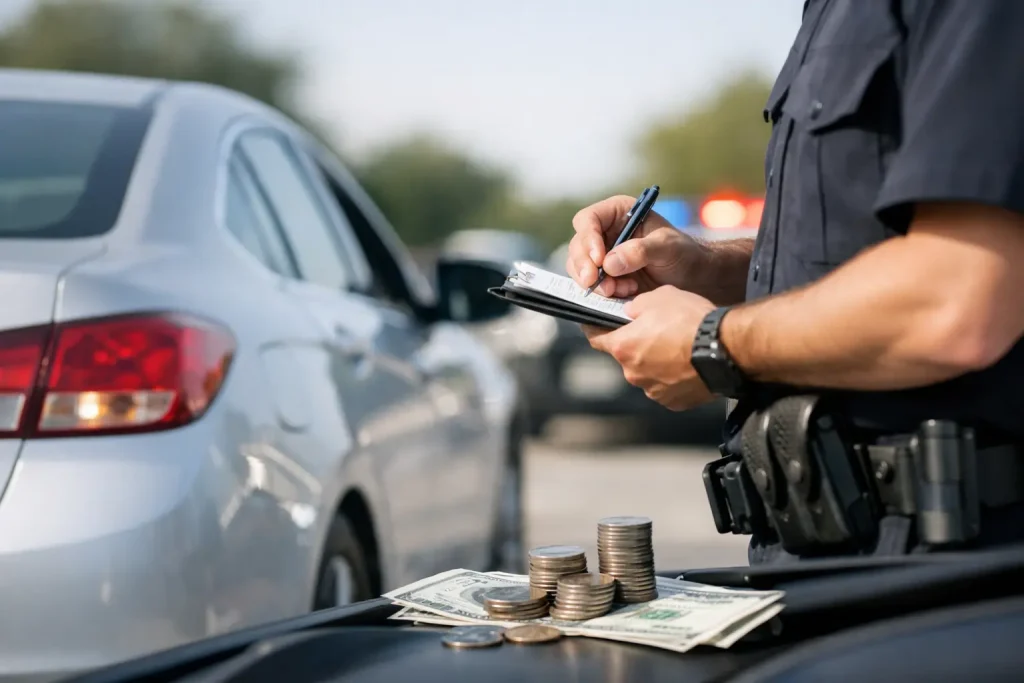
Vehicle fines are not always about getting pulled over. Municipal bylaws, parking rules, insurance requirements, and property standards can all come into play depending on where the vehicle is kept and its condition.
A vehicle parked on a public street with expired registration, no insurance, or obvious safety issues can draw attention quickly. On private property, the rules may be different, but that does not mean there are no rules. Some communities regulate derelict vehicles, accumulated outdoor clutter, nuisance conditions, and vehicles that create environmental or safety concerns.
A complaint from a neighbor does not automatically mean a fine. It may result in a notice first, giving the owner time to correct the issue. Still, waiting for a notice puts you on someone else’s timeline. If you are already sure the vehicle is not worth fixing, dealing with it before it becomes a bylaw issue is usually the simpler and less stressful choice.
How to avoid vehicle fines on your property
The most reliable approach is to treat an unused vehicle as a decision that needs a deadline, not a permanent storage solution. Ask yourself whether the vehicle will realistically be repaired, insured, registered, and safely driven in the near future. If the answer is no, make a plan to remove it.
This matters especially after a major failure. A bad transmission, blown head gasket, serious electrical problem, or long period of sitting can turn a repairable vehicle into one that costs more to keep than to resolve. The longer it sits, the more likely it is to deteriorate, leak fluids, become a hazard, or become the subject of a complaint.
If you are keeping a vehicle temporarily while deciding what to do, keep it on your own property, in a stable location, and out of the way of sidewalks, streets, fire access, and shared driveways. Do not assume a cover solves every problem. A covered vehicle may still be considered inoperable or improperly stored under local rules if it remains there for a long time.
The exact rules depend on the community and the type of property. A rural acreage may have more space than a city lot, but it can still have local standards. If you have received a notice or are unsure about a specific bylaw, contact the local office promptly and ask what is required. Getting clear information early is far better than guessing after a deadline has passed.
Do not leave uninsured vehicles in public areas
An uninsured vehicle should not be driven, parked on a public road, or left where it creates a traffic or safety issue. Even a vehicle that moves only occasionally can create trouble if its insurance or registration is not current.
Some owners keep an old vehicle at the curb while they decide whether to repair it. That can become expensive if parking restrictions apply, street cleaning is scheduled, snow removal is needed, or enforcement determines the vehicle has been left too long. Move it onto private property if it is safe and permitted, then make a prompt decision about its future.
Take leaks and hazards seriously
A non-running vehicle is not harmless just because it is parked. Leaking oil, coolant, fuel, or other fluids can stain driveways, affect soil, and create a safety concern for children and pets. Broken windows, loose body panels, and unstable vehicles can also become a problem.
If the vehicle is leaking or unsafe to move yourself, do not try to force a quick fix just to make it look better. Arrange professional removal. A fast response can prevent a small property concern from turning into a bigger cleanup, safety, or enforcement issue.
Keep paperwork and ownership details organized
Before you arrange removal or make a final decision, gather the documents connected to the vehicle. Having proof of ownership, registration details, and any information about its current status helps prevent delays.
If the vehicle has been sitting for years, do not assume the paperwork will be easy to find when you need it. Check early. If you are dealing with an estate, a family vehicle, or a vehicle that was transferred informally, take extra care to confirm who has authority to make decisions about it. The right paperwork keeps the process straightforward and protects everyone involved.
It also helps to take a few clear photos of the vehicle and where it is parked. This gives you a record of its condition if there is ever a question about damage, leaks, or timing. You may never need those photos, but they are useful when a vehicle has been sitting through several seasons.
Do not ignore a bylaw notice
A notice from a municipality or property manager can feel frustrating, especially when the vehicle has been on your property for a long time without trouble. But ignoring it is one of the quickest ways to make the situation more costly.
Read the notice carefully. Look for the deadline, the stated concern, and the contact information for the person or department handling the file. If you need a few days to arrange removal, call and explain the plan. In many situations, showing that you are acting promptly is better than saying nothing.
Do not wait until the final day if the vehicle is difficult to access, blocked in, or located on a rural property. Weather, soft ground, narrow driveways, and other practical issues can affect scheduling. A little lead time gives you more options and less pressure.
When removal is the practical answer
There is a point when another repair estimate, another year without insurance, or another attempt to hide an old vehicle behind the garage stops making sense. Removing it can clear space, reduce worry, and help keep your property from becoming a source of complaints.
This is particularly true for vehicles that no longer start, have extensive mechanical damage, or have been sitting long enough that you no longer trust them on the road. You do not need to keep paying for storage, insurance decisions, or repeated attempts to get it running if the vehicle is clearly past its useful life.
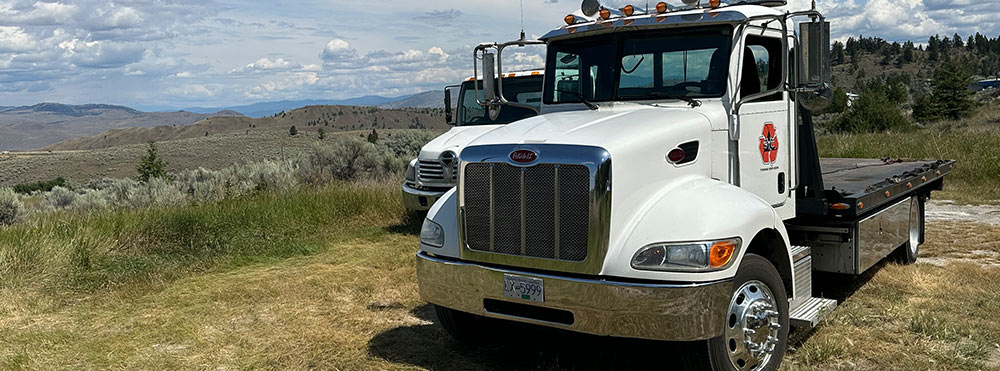
For owners in Salmon Arm, Vernon, Kelowna, Kamloops, and nearby Interior communities, Scrap Your Car offers a direct, local option for getting an unwanted vehicle off your property without turning the job into a weekend project. A quick phone call lets you explain the vehicle’s condition and location, then arrange a removal plan that fits the situation.
A simple checklist before fines become a problem
Use this short check when you are unsure whether an old vehicle needs attention:
- Is it uninsured, unregistered, or unable to be driven safely?
- Has it been sitting long enough that repair is unlikely?
- Is it visible from the street or likely to draw a complaint?
- Is it leaking fluids, damaged, or creating a safety concern?
- Have you received a bylaw notice, warning, or parking complaint?
- Do you have a clear plan and timeline for repair or removal?
If several answers are yes, waiting rarely improves the situation. Taking action now can be less expensive than responding after a fine, deadline, or complaint arrives.
A problem vehicle does not have to remain a problem simply because it has been there for a while. Clear the space, remove the uncertainty, and get back to a property that feels safe, orderly, and easier to manage.