A vehicle can sit for months without moving, but that does not automatically make it abandoned. The real trouble starts when it is leaking, unsafe, blocking access, attracting complaints, or taking up space you need. This guide to abandoned vehicle rules explains the practical difference between a vehicle you own and one left behind by someone else, plus the right next step for each situation.
What Counts as an Abandoned Vehicle?
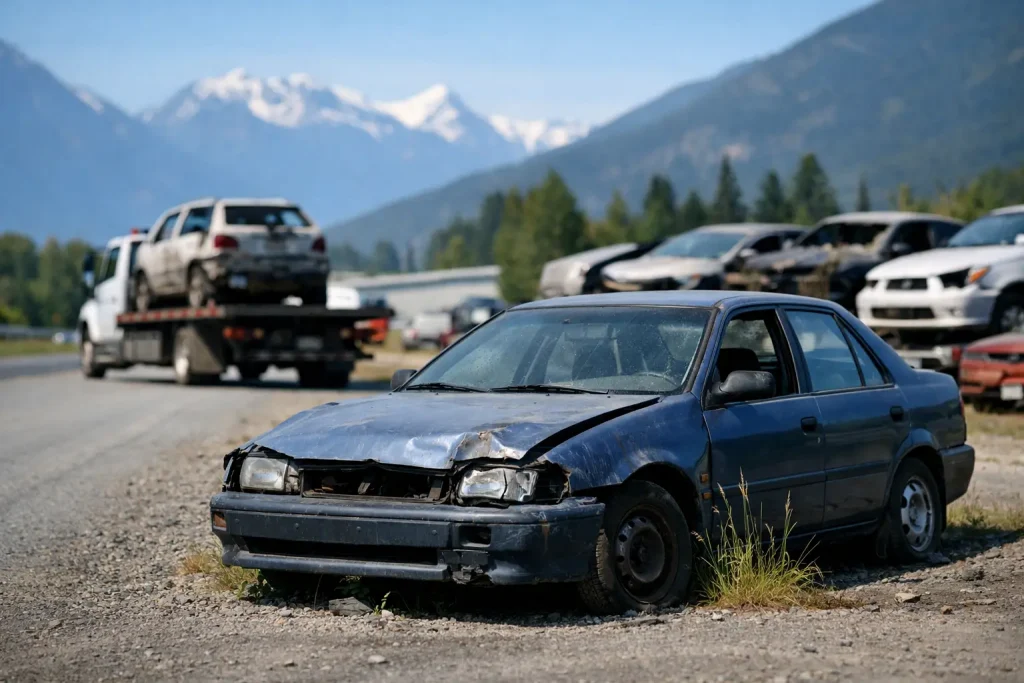
An abandoned vehicle is generally one that appears to have been left without a responsible owner actively looking after it. But appearance alone is not enough. Flat tires, expired plates, body damage, or a layer of dirt may suggest a vehicle has been neglected, yet the legal owner may still have the right to it.
In B.C., abandoned vehicle concerns can involve provincial rules, local government bylaws, parking rules, and private-property agreements. The answer depends heavily on where the vehicle is sitting.
A car left on a public street, for example, is usually a matter for the local municipality or parking enforcement. A vehicle left in an apartment parking stall may involve the landlord, property manager, tenant agreement, or strata. A vehicle on your own driveway or acreage is a different situation altogether, particularly if you are the registered owner.
The safe rule is simple: do not assume you can move, sell, dismantle, or dispose of a vehicle just because it has been sitting there. Ownership and permission matter.
Guide to Abandoned Vehicle Rules by Location
When the vehicle is on your property and you own it
If the unwanted vehicle belongs to you, the situation is usually straightforward. You still need to consider local property standards, safety concerns, and environmental risks, but you do not need to prove that someone else abandoned it.
An old vehicle can become a bigger headache than expected. It may take up a parking space, make mowing or snow clearing difficult, create an eyesore, or lead to complaints from neighbors. If it no longer runs, is uninsured, has major mechanical damage, or is simply not worth repairing, arranging professional removal is often the cleanest solution.
Do not wait for a bylaw notice to decide. Removing it before it becomes a property issue gives you more control over the timing and avoids the stress of a deadline.
When the vehicle is on your property but belongs to someone else
This is where people can get into trouble by acting too quickly. Maybe a former tenant left a car behind. Maybe a friend parked a vehicle at your place and stopped responding. Maybe a vehicle appeared on a rural property without permission.
Start by documenting the situation. Take clear photos showing the vehicle, its condition, license plate if visible, and where it is parked. Write down when you first noticed it and any efforts you made to contact the owner. If you know who owns it, send a written request asking them to remove it by a reasonable date.
For rental properties and strata communities, review the applicable agreement or parking policy before taking action. There may be a required notice period and a specific process for dealing with unauthorized vehicles. A landlord or strata should not skip those steps simply because the vehicle is inconvenient.
If the owner cannot be identified, refuses to respond, or the vehicle creates an immediate safety concern, contact your local bylaw office or non-emergency police line for direction. They can explain which authority handles the situation and whether an inspection, notice, or authorized tow is required.
When the vehicle is on a public road
A vehicle parked on a street is not yours to handle, even if it has not moved in a long time. Municipalities set their own parking and abandoned-vehicle enforcement procedures. Some have time limits for street parking. Others may act when a vehicle is unlicensed, obstructing traffic, creating a hazard, or generating repeated complaints.
Report the concern through the local bylaw or parking enforcement channel. Give the exact location, a vehicle description, plate number if safely visible, and details about the problem. Is it blocking a driveway? Is it narrowing a road? Has it been there for weeks? Those facts help enforcement staff assess the complaint.
Avoid confronting a possible owner or trying to push the vehicle onto another part of the street. Moving the problem does not solve it, and it could create liability for you.
When it is on a rural property or private access road
Interior properties often have long driveways, shared access routes, outbuildings, and open space where an old vehicle can sit unnoticed for years. That does not mean the rules disappear. A vehicle blocking emergency access, a shared lane, or a fire route needs prompt attention.
First, confirm who owns the land and who has authority over the access road. On shared private roads, there may be a road-maintenance agreement or a group of owners who need to be involved. If the vehicle belongs to a neighbor or visitor, direct communication may resolve the issue faster than a formal complaint.
Where there is no clear owner, no permission to park, or an immediate hazard, document everything and ask local authorities what process applies. The correct route can vary between communities, so a quick call can prevent a costly mistake.
Why “It Has No Plates” Is Not Enough
Many people think a vehicle without plates is automatically abandoned. It is not. Plates may have been removed because the owner canceled insurance, moved the vehicle onto private property, or planned repairs that never happened.
The same goes for a vehicle that does not run. Mechanical failure does not erase ownership. Even a heavily damaged vehicle may still be registered to someone who has rights and responsibilities connected to it.
That is why the right question is not, “Does this look abandoned?” Ask, “Who owns it, where is it located, and what authority applies here?” Those three answers determine the proper next move.
A Practical Way to Handle the Problem
When an unwanted vehicle is causing stress, use a calm, documented approach. Start with ownership. If it is yours, decide whether keeping it makes sense. If it is someone else’s, avoid moving it yourself and keep records of any contact attempts.
Next, consider urgency. A vehicle that is merely unattractive may be a property-management issue. One that blocks access, appears unsafe, leaks fluids, or interferes with emergency routes deserves faster attention. If there is a fire risk, a dangerous leak, or an immediate obstruction, contact the appropriate emergency or local authority rather than waiting.
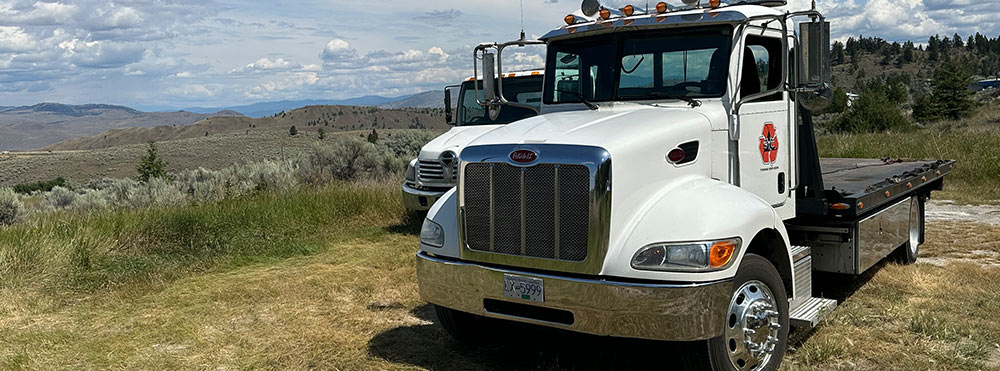
Finally, use the right service for the right job. Bylaw officers and police can address unauthorized or public-road situations. Landlords and strata managers can follow their parking procedures. When you are the owner and simply want the vehicle gone from your property, a local removal company can save you from arranging transport or finding room to store it longer.
Questions Homeowners Often Ask
Can I have a vehicle removed from my driveway if a guest left it there?
Possibly, but do not arrange removal without following the proper notice and authorization process. If you know the owner, make a documented request first. If they refuse or disappear, ask local bylaw, police, or a legal professional which steps apply to your situation.
Can a landlord remove a tenant’s vehicle after they move out?
Not automatically. The lease, parking agreement, notice requirements, and any local rules may all matter. A landlord should document the vehicle, communicate in writing, and follow the required process before authorizing removal.
What if my own vehicle is attracting bylaw complaints?
Act before the issue grows. If the vehicle is beyond repair or no longer serves a purpose, schedule removal and clear the space. Scrap Your Car helps property owners across the Interior get unwanted vehicles off their property without the usual runaround.
Should I call bylaw or police?
For parking, property standards, and street-related concerns, bylaw is often the best starting point. Use a police non-emergency line when there is suspected theft, a safety concern, or uncertainty about whether a vehicle may be connected to a crime. Call emergency services only when there is an immediate danger.
An unwanted vehicle rarely gets easier to deal with by leaving it another season. Get clear on ownership, follow the process that fits the location, and take action before a small eyesore becomes a bigger property problem.