

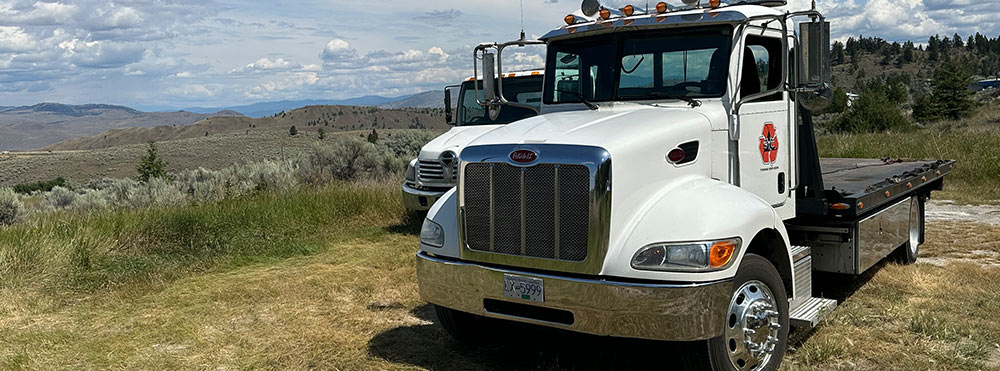

That old vehicle has already taken up enough room in your driveway, yard, garage, or shop area. Knowing how to prepare vehicle pickup before the truck arrives keeps the process quick, safe, and straightforward. A few simple steps can prevent delays, protect your personal information, and help the removal crew load the vehicle without unnecessary hassle.
For most unwanted vehicles, preparation does not mean fixing anything. If it will not start, has been parked for years, is damaged, or is uninsured, that is usually why you are arranging pickup in the first place. The goal is simply to make sure the vehicle is accessible and that you have the right information ready.
Have Your Vehicle Information Ready
When you call to arrange removal, be ready to describe the vehicle honestly. The year, make, model, and general condition help the crew bring the right equipment and plan the pickup properly. Mention whether the vehicle starts, rolls, has collision damage, has flat tires, or is blocked in by another vehicle.
You do not need to be an automotive expert. Plain language is enough. Saying, “It has not run in two years and is parked behind my shed,” gives a clearer picture than guessing at a mechanical diagnosis.
It also helps to know where the vehicle is located on the property. A car at the end of a paved driveway is different from one sitting on soft ground behind a barn or tucked beside a fence. Rural and residential properties around the Shuswap and Okanagan often have narrow driveways, slopes, gates, and seasonal ground conditions. Sharing those details upfront helps avoid a surprise when the truck arrives.
Gather the Paperwork Before Pickup
The most common cause of a delayed pickup is missing ownership paperwork. Find your vehicle registration or other proof that you are authorized to dispose of the vehicle before booking or before the crew arrives. If the vehicle is registered to someone else, such as a family member, estate, or business, explain that situation when you call.
Keep the documents somewhere dry and easy to reach. Do not leave them in a glove compartment that may be difficult to access once the vehicle is loaded.
If you are not sure what paperwork applies to your situation, ask before the scheduled pickup. It is much easier to clarify a question by phone than to have the truck arrive and discover that the needed information is not available. A professional local removal service should tell you what to have ready based on the vehicle and your circumstances.
Clear Out Personal Belongings
A vehicle can collect years of forgotten items. Take a few minutes to check the glove box, center console, door pockets, trunk, under the seats, and any storage compartments. Look for registration documents, insurance papers, keys, garage remotes, spare change, sunglasses, tools, prescriptions, work items, and personal keepsakes.
This is also a good time to remove anything that could contain private information. Old mail, receipts, service records, parking documents, or paperwork with names and addresses should not be left behind. Even a vehicle that has been sitting unused may hold more personal material than you expect.
If the car has been used by several family members, ask them to take a quick look as well. That is especially worthwhile with a long-parked family vehicle, a teenager’s first car, or a vehicle that was used for work. Once the vehicle is loaded, retrieving an item may not be possible.
Make a Clear Path for the Tow Truck
Access matters as much as the vehicle itself. Before pickup day, move vehicles, trailers, yard equipment, bins, and other obstacles out of the way. Open any gate that the truck will need to pass through, and make sure the route from the road to the vehicle is as clear as possible.
Look above as well as around the vehicle. Low branches, hanging lines, carports, and tight turns can affect where a larger truck can safely position itself. If there is limited room, tell the dispatcher when you schedule. The crew may be able to plan a better approach, but they need an accurate picture of the location.
In winter or wet weather, consider the ground conditions. A tow truck may need firm footing, particularly on gravel driveways, uneven yards, or steep rural access roads. Clear snow where practical, spread traction material on icy walking areas, and point out soft ground or hidden ditches. Nobody expects you to rebuild your driveway, but a little preparation helps keep everyone safe.
If the Vehicle Is Blocked In
Sometimes an unwanted car is trapped behind a running vehicle, a locked gate, or stored equipment. Move what you can before the appointment. If you cannot move an obstacle, say so early rather than hoping the crew can work around it on arrival.
The same applies if the vehicle is in a garage, beneath a lean-to, or parked very close to a structure. Take a few clear photos for your own reference, and describe the space accurately over the phone. There may be a practical solution, but it depends on the available clearance and safe loading position.
Keep the Area Safe for Everyone
Pickup day should not feel complicated, but it does involve heavy equipment and a vehicle being moved from your property. Keep children and pets inside or well away from the work area. Ask neighbors not to park in front of the access point if the street is narrow.
If the vehicle is on a slope, near a ditch, or in an area with loose debris, let the driver know when they arrive. Do not try to push, pull, or reposition a non-running vehicle on your own shortly before pickup. A vehicle that seems stationary can shift unexpectedly, especially on uneven ground.
If you have keys, place them with your paperwork or bring them outside when the crew arrives. If you do not have keys, do not panic. Just mention it when you book so the pickup can be planned accordingly.
Be Available for the Appointment
Someone authorized to release the vehicle should be present at the scheduled time whenever possible. That person can confirm the vehicle, provide paperwork, answer access questions, and point out anything unusual about the property.
If you cannot be there, discuss the arrangement before pickup day. Do not assume a crew can enter a locked gate, search for documents, or make decisions about a vehicle without clear authorization. A quick call ahead prevents confusion and protects everyone involved.
Keep your phone nearby on the day of pickup. Conditions can change with traffic, weather, road closures, or a previous job taking longer than expected. A reachable phone number makes it easier to coordinate an arrival window and handle a last-minute question without turning a simple job into a reschedule.
What You Do Not Need to Do
You do not need to wash the vehicle, make it presentable, inflate tires, add fuel, charge the battery, or spend money trying to get it running. The point of professional junk vehicle removal is to take a problem off your hands, not give you another repair list.
You also do not need to diagnose every issue. Whether the vehicle has a failed transmission, major engine trouble, electrical damage, or has simply reached the end of its useful life, a clear description of its condition is enough. Honesty helps the crew prepare. Perfection is not required.
A Quick Check Before You Call
Before arranging pickup, take one last look at the vehicle and the route to it. Confirm that you have ownership information, personal belongings are out, gates and access points can be opened, and any unusual conditions have been noted. Those small checks are the practical answer to how to prepare vehicle pickup without delays.
An unwanted vehicle can create stress every time you look at it, whether it is taking up a parking spot in Salmon Arm, sitting at a family property near Vernon, or slowly disappearing into the weeds outside town. Once the basics are ready, one call to the professionals can turn that ongoing problem into a clear driveway and one less thing to worry about.