A vehicle that has not moved in months can go from an inconvenience to a real property problem fast. It blocks space, creates stress, and may bring bylaw concerns or safety worries. But can towing remove seized cars? Usually, yes – if “seized” means the vehicle will not run or move under its own power. If the vehicle has been legally seized, the answer depends on who has authority to release it.
What Does “Seized” Mean in This Situation?
People use the word “seized” in two very different ways. The first is mechanical. The engine may be locked up, the vehicle may have sat too long, or damage may have left it completely non-running. In that case, a professional towing service can often remove it from a driveway, yard, garage area, or rural property without requiring it to start.
The second meaning is legal. A vehicle may be seized by law enforcement, held in an impound facility, involved in an ownership dispute, or subject to a lender’s claim. That is different from a broken-down vehicle. A towing company cannot remove a vehicle that is under a legal hold simply because it is parked on private property.
Knowing which situation you have before you call saves time and prevents an unpleasant surprise on removal day.
Can Towing Remove Seized Cars That Will Not Start?
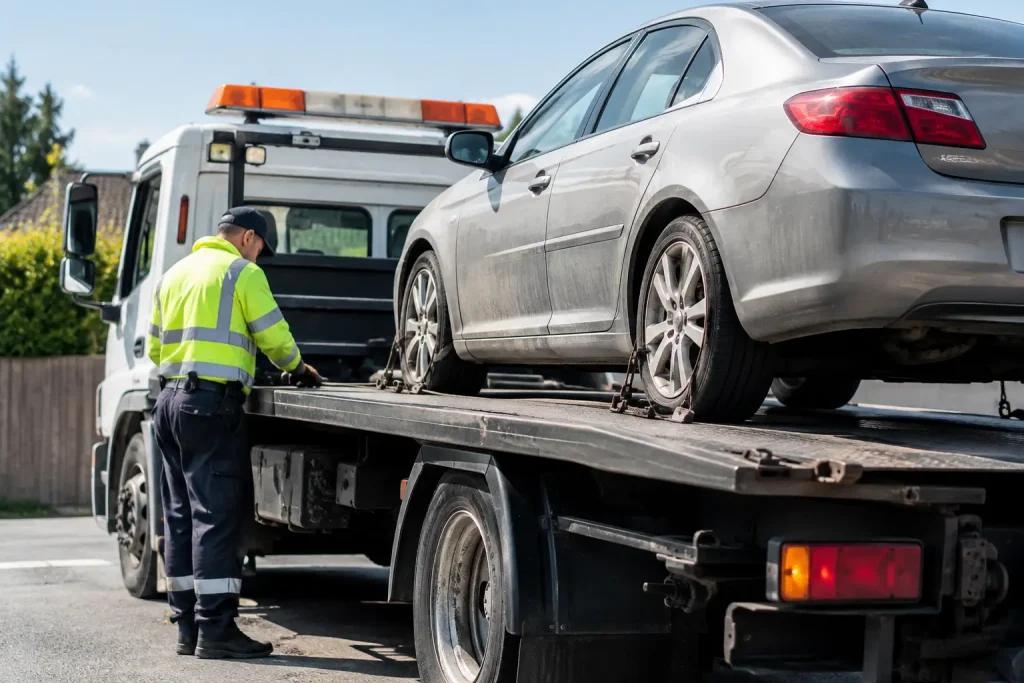
Yes. A vehicle does not need to start, drive, or be safe for the road before it can be towed away. Towing professionals regularly handle vehicles with major mechanical failures, collision damage, electrical problems, rodent damage, and long-term storage issues.
The right removal method depends on the vehicle’s condition and where it is sitting. A car parked in an open driveway is usually straightforward. One that is deep in a backyard, behind another vehicle, sunk into soft ground, or tightly positioned beside a building may take more planning.
A good towing operator will ask clear questions before arriving. Be ready to explain whether the vehicle can roll, whether it is blocked in, how close it is to fences or structures, and whether there is a clear route to the street. Honest details help the crew bring the proper equipment and avoid delays.
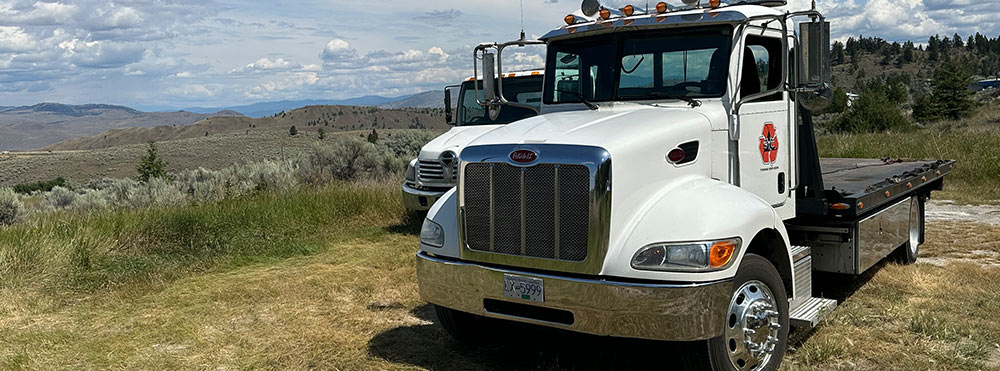
For unwanted vehicles in Salmon Arm and surrounding Interior communities, this kind of advance planning is especially useful on rural properties, where narrow access roads, slopes, and uneven ground can affect the job.
When a Legally Seized Vehicle Cannot Be Removed
If the vehicle was taken or held by police, a government authority, an impound operator, or another legal party, do not arrange private removal until you know it has been released. Even if it is on your land, legal restrictions can still apply.
The same caution applies if the vehicle belongs to someone else, was left behind by a former tenant, is part of an estate, or has unclear ownership paperwork. Being frustrated with a vehicle on your property does not automatically give you the right to have it removed.
Before scheduling towing, contact the agency or party that placed the hold and ask what is required for release. You may need written confirmation, a valid registration document, photo identification, or authorization from the legal owner. A professional removal company should take these situations seriously. The goal is to solve your vehicle problem, not create a new one.
Information a Tow Company Needs Before Removal
A quick phone call is usually enough to determine whether removal is possible. You do not need to diagnose every mechanical problem, but a few accurate details make a big difference.
Let the towing company know the vehicle’s general location, whether you own it, whether you have identification and ownership documents available, and how long it has been sitting. Mention any known legal hold right away. If there is no legal issue, describe access as clearly as you can.
Photos can also help when the vehicle is in an unusual location, although a direct conversation is often the fastest way to get answers. A local operator understands that not every property has a wide paved driveway or easy turnaround space. They can tell you what needs to be moved or cleared before arrival.
Do not assume that a vehicle is impossible to tow because it is badly damaged or has been sitting for years. The condition may change the approach, but it does not necessarily prevent removal.
Prepare the Property Before the Tow Arrives
A little preparation can make removal faster and safer. Clear a path between the vehicle and the road where possible. Move personal belongings away from the work area, keep children and pets indoors, and make sure gates are unlocked if the vehicle is behind one.
If the vehicle is blocked by another car, arrange to move that car before the tow truck arrives. If it is sitting on soft ground or near a ditch, mention that during the initial call. Do not try to force the vehicle out with another vehicle, especially if the ground is unstable or there are obstacles nearby. That can cause property damage or turn a simple removal into a more difficult recovery.
You should also remove personal items from inside the vehicle before it is hauled away. Check the glove compartment, console, trunk, and any storage areas. Look for documents, keys, garage remotes, prescription items, and anything else you may need later. Once the vehicle leaves, retrieving forgotten belongings may not be simple.
Common Reasons People Arrange Seized Car Removal
For most owners, the decision is practical. The vehicle is taking up needed parking space, repair costs no longer make sense, insurance is inactive, or the car has become one more item on an already busy property to-do list.
Sometimes the issue is more urgent. A non-running vehicle can attract complaints, create a safety concern, or make a home look neglected. On acreage or at a seasonal property, an old vehicle can be easy to ignore until family visits, a sale, construction work, or a bylaw notice forces the issue.
Removing it is often simpler than continuing to postpone the decision. One call can confirm whether the vehicle is eligible for pickup, what information is needed, and how quickly the job can be completed.
Choose a Towing Service That Asks the Right Questions
Fast service matters, but the best removal experience is not just about how soon a truck arrives. It is about dealing with a company that listens, explains what is needed, and treats your property with respect.
Be cautious of anyone who promises to remove a vehicle without asking about ownership, location, or condition. Those questions protect both you and the towing operator. A professional company should be straightforward about what it can handle and when extra authorization is required.
Scrap Your Car focuses on helping local owners clear out unwanted, damaged, uninsured, and non-running vehicles without unnecessary hassle. If your vehicle is mechanically seized and you have the authority to remove it, the next step is usually much easier than you think.
That old vehicle does not have to keep taking up room or weighing on your mind. Get clear on the ownership status, describe the access honestly, and make the call when you are ready to reclaim your space.