
A dead vehicle in the driveway can go from “I’ll deal with it later” to a real headache fast. It takes up room, creates a safety concern, and can bring unwanted attention from neighbors or local bylaws. Knowing how to schedule car towing means you can stop worrying about it and get a clear plan in place with one phone call.
For an unwanted, damaged, uninsured, or non-running vehicle, the goal is not to make the process complicated. It is to give the towing company the right information, confirm access to the vehicle, and choose a pickup time that works for you. A little preparation helps the driver arrive ready and helps your removal go without delays.
How to Schedule Car Towing for an Unwanted Vehicle
Start by calling a local towing or vehicle removal company that handles the type of vehicle you have. Be clear about why it needs to be moved. Is it not starting? Has it been sitting for years? Was it damaged in an accident, or is the repair bill simply more than the vehicle is worth? These details help the dispatcher send the right equipment and give you an honest idea of timing.
You do not need to know every mechanical issue. Plain language is enough. Tell them whether the vehicle rolls, whether it is parked in a garage or on a narrow rural driveway, and whether it is blocked in by another vehicle. If you are unsure whether it can be safely moved, say so. A professional towing company would rather plan for the real situation than show up without what is needed.
When you call, have the vehicle’s year, make, model, and location available. The location matters more than people expect. A vehicle in an open driveway is very different from one behind a locked gate, at the back of an acreage, or parked on a steep road. Give the full address, along with any gate codes, landmark directions, or access instructions that will help the driver find it.
Have the Basic Vehicle Information Ready
A short call goes much faster when you have a few details in front of you. You will usually be asked who owns the vehicle and whether you have the ownership paperwork or registration available. Requirements can vary based on the vehicle’s condition and local rules, so ask what documentation the company needs before pickup day.
It also helps to share the vehicle’s general condition. Let the company know if it has flat tires, missing keys, a locked steering wheel, collision damage, or a dead battery. None of those issues automatically prevent a tow, but they may affect how the driver loads and secures the vehicle.
Be upfront if the vehicle has been sitting in tall grass, mud, snow, or a tight corner of the property. Winter weather and soft ground can change the safest approach. The right company will explain whether they can complete the pickup right away or whether a different arrangement is needed.
Choose a Pickup Time You Can Actually Keep
Same-day towing can be a major relief when the vehicle is blocking a driveway, upsetting a landlord, or creating a problem with a property sale. Still, the fastest possible appointment is not always the best choice if nobody can meet the driver or provide access.
Choose a window when you can answer your phone and be available if the towing company needs clarification. If another family member, tenant, or property manager will meet the driver, make sure they know the plan. They should know where the vehicle is parked, how to open any gates, and what paperwork is available.
Ask for a realistic arrival window rather than assuming an exact minute. Road conditions, previous calls, rural distances, and traffic can affect a driver’s route. A dependable local company will communicate if the schedule changes and will not leave you guessing all day.
For residents across the Shuswap, Okanagan, Kamloops, and surrounding Interior communities, local coverage matters. A company familiar with smaller roads, long driveways, and rural properties can often make the process far simpler than a service trying to dispatch from far away.
Clear a Safe Path Before the Tow Truck Arrives
You do not need to prepare the vehicle like it is going on a road trip. You do need to make the pickup area reasonably safe and accessible. Move your own vehicles if they are blocking the way, unlock gates, and make sure pets are secured. If the vehicle is in a garage, remove anything that prevents the driver from reaching it safely.
Take personal belongings out of the vehicle before pickup. Check the glove box, trunk, center console, door pockets, and under the seats. Old vehicles have a way of collecting receipts, tools, house keys, paperwork, garage remotes, and other items that are easy to forget.
If the vehicle is parked on a public street, confirm whether there are any parking restrictions or local rules that could affect the tow. Your towing provider can explain what they need from you, but it is better to raise the question during scheduling than discover an issue when the truck arrives.
Ask the Questions That Prevent Surprises
A good towing call should leave you with a clear understanding of what happens next. If something is unclear, ask. You deserve to know the expected pickup window, what paperwork to have ready, whether someone must be present, and whether the driver needs special access to the property.
It is also smart to ask what to do if the vehicle cannot be reached as expected. Maybe a snowstorm closes the driveway, a gate is frozen shut, or the vehicle is boxed in by another car. Knowing the plan ahead of time keeps a minor issue from becoming a missed appointment.
Do not be embarrassed if the vehicle is in rough shape. Towing professionals regularly handle vehicles with blown engines, transmission trouble, electrical issues, rodent damage, and years of sitting. Their job is to remove the problem safely, not to judge how it got there.
When Towing Is Better Than Waiting
People often put off scheduling a tow because they think they might repair the vehicle later. Sometimes that makes sense. If you have a realistic repair plan, the vehicle is safely stored, and the cost works for your budget, waiting may be reasonable.
But waiting can also cost more in stress and property space. An uninsured vehicle that does not run is not getting more useful by sitting in the driveway. It may become harder to move as weather, time, and access conditions make the situation worse. If you already know you do not want to repair it, arranging removal now can clear the way for a safer, cleaner property.
This is especially true when a vehicle has become a source of arguments at home, pressure from a landlord, or concern about local property standards. A scheduled tow turns an ongoing problem into one appointment with a clear finish line.
What Happens on Pickup Day
On the day of the appointment, keep your phone nearby. The driver may call when they are on the way or if they need a quick answer about the location. Have the required documents ready and meet the driver if your arrangement calls for it.
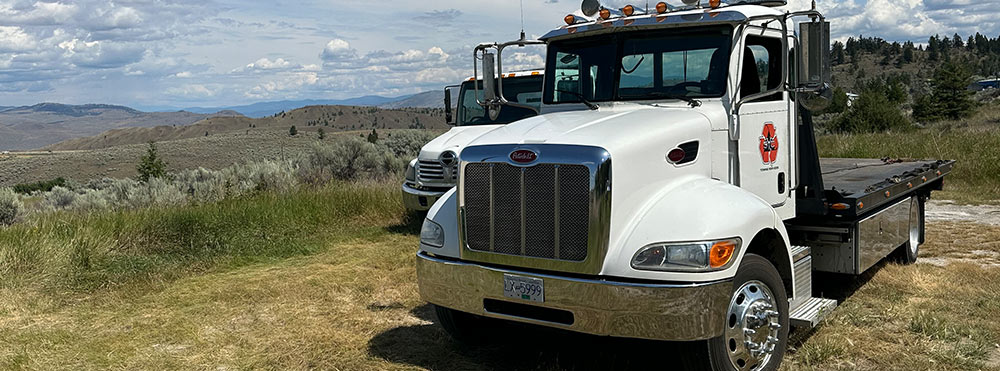
Once the driver assesses the vehicle and access area, they will load it using the appropriate method for its condition. Stay clear of the work area while loading is underway. Even a simple pickup involves heavy equipment, moving vehicles, and limited space, so letting the professional work without interruption is the safest choice.
Before the truck leaves, do one final check of the driveway, garage, or parking spot. Make sure you have removed everything you need and that the pickup is complete. That empty space often feels better than expected. It is room for the vehicle you actually use, a safer driveway, or simply one less thing on your list.
At Scrap Your Car, the focus is straightforward: explain the situation, set up a practical pickup time, and let local professionals handle the unwanted vehicle. One call can replace weeks of putting it off.
If that old vehicle has been taking up space and creating stress, schedule the tow when you are ready to be done with it. A clear driveway and a simpler property situation are closer than you think.