

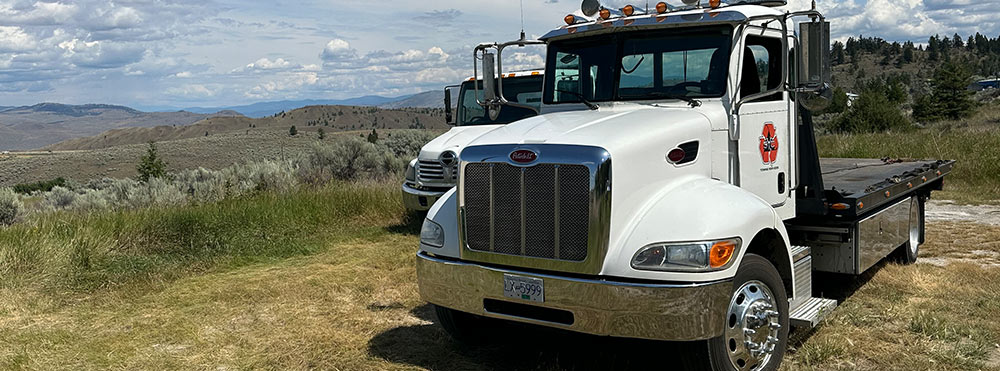

A damaged car can turn from an inconvenience into a constant headache fast. It may be blocking a driveway, taking up room in the yard, leaking fluids, or sitting uninsured because it is no longer worth repairing. Damaged vehicle collection gives property owners a straightforward way to clear that problem without arranging a tow, finding storage, or trying to make a broken vehicle move under its own power.
For homeowners and rural property owners, the goal is usually simple: get the vehicle off the property safely and without a lot of back-and-forth. Whether it has been sitting for months or broke down yesterday, professional collection is often the practical next step when repairs no longer make sense.
When Damaged Vehicle Collection Makes Sense
Not every damaged vehicle needs to be collected right away. A newer vehicle with a clear repair path may still be worth fixing. But when the repair estimate keeps growing, the vehicle cannot be driven safely, or it has become a permanent fixture on the property, waiting can create more stress than value.
Collection is a good option when a vehicle has major mechanical trouble, serious collision damage, electrical problems, rodent damage, or an engine issue that makes it unreliable. It also makes sense for vehicles that have been parked so long that getting them running again would take more time and money than the owner wants to spend.
There is also the property side of the decision. A non-running vehicle can make lawn care, snow clearing, parking, and access more difficult. On rural properties, it may be far from the road or tucked behind a garage, which makes moving it feel like a job that will never get done. A local removal service is built for exactly that situation.
The sooner you deal with a vehicle that is clearly not coming back into regular use, the sooner you get the space and peace of mind back.
What a Professional Collection Service Handles
The main benefit of calling a professional is that you are not left trying to solve the logistics yourself. A damaged vehicle may not start, steer properly, or be safe to drive even a short distance. Forcing it onto the road can create a bigger problem.
A proper collection service coordinates the pickup and removes the vehicle from your residential property. You provide the basic details about the vehicle, where it is located, and its condition. The collector can then determine the best approach for access and pickup.
Clear communication matters here. Let the service know if the vehicle is in a tight driveway, behind a building, on a soft or uneven surface, or blocked by another vehicle. These details help avoid surprises and make the appointment go smoothly. If access is simple, collection may be arranged quickly. If the location is more difficult, the service can plan for it instead of arriving unprepared.
You should also be ready to show proof that you are authorized to have the vehicle removed. Ownership paperwork and identification requirements can vary, so asking what to have ready when you call is the easiest way to avoid delays.
A Few Steps Before Pickup
You do not need to repair or clean a damaged vehicle before collection. That is the point of arranging removal. Still, a little preparation protects you and keeps the pickup moving.
First, remove your personal belongings. Check the glove box, center console, trunk, door pockets, and under the seats. Old vehicles often hold paperwork, keys, garage remotes, tools, work items, and personal items that were forgotten years ago.
Next, gather the documents you have for the vehicle. If you are unsure which paperwork is needed, mention that during your phone call. It is better to sort it out before the truck arrives than to lose a pickup window over a missing document.
Finally, make the vehicle accessible. Move any vehicles that block the path if you can, unlock gates, and make sure pets are secure. You do not need to create a perfect loading area, but clear access helps the driver work safely and efficiently.
Why Waiting Can Cost You More Than Space
A damaged car does not usually improve by sitting. Weather, moisture, and long periods without use can make an already difficult vehicle harder to deal with. It can also become more of a concern if it is parked where children play, where visitors park, or where it interferes with daily access.
There may be insurance and local property concerns as well. Even when a vehicle is not being driven, owners can worry about liability, neighborhood complaints, or whether the vehicle is creating an issue on their property. The details depend on where you live and the condition of the vehicle, but leaving it indefinitely is rarely the easiest option.
The emotional side is real too. Many people keep a damaged car because they intend to deal with it later. Then weeks become seasons. Every time they walk past it, it becomes another unfinished task. Arranging collection turns a lingering problem into one completed phone call and one scheduled pickup.
Local Help Makes the Process Easier
A local vehicle collection company understands that not every pickup happens in a paved city driveway. In the Shuswap, Okanagan, Kamloops, and surrounding Interior communities, vehicles may be parked at cabins, rural homes, acreage properties, or seasonal residences. Access, distance, and timing can all affect the plan.
That is why phone-based service is useful. Instead of filling out a complicated form and hoping for an answer, you can explain the situation directly. A real conversation makes it easier to describe a vehicle that will not start, has been sitting for years, or is located somewhere with limited access.
Scrap Your Car focuses on making that process simple for local owners. The service is designed for people who do not want to spend another weekend chasing repairs, arranging transport, or trying to solve a vehicle problem alone.
What to Ask When You Call
A short call should give you a clear picture of what happens next. Explain the make and model if you know it, the vehicle’s general condition, and where it is parked. Be honest about whether it rolls, starts, or has been sitting for a long time. Accurate details help the pickup team arrive with the right plan.
You can also ask about the expected pickup timeframe, whether someone needs to be present, what documents to have available, and any access concerns you are worried about. There is no need for technical language. Plain details are enough: “It is behind the garage,” “the battery is dead,” or “it has not moved since last summer.”
The right service will keep the answer simple. You should know what is required from you, when pickup can happen, and what to do before the driver arrives. If the conversation leaves you more confused than when you started, keep looking.
Clear the Space When You Are Ready
A damaged vehicle does not have to keep taking up room in your driveway, yard, or mind. If repairs are no longer worth it and the vehicle is not serving a purpose, collection is a practical way to move on without adding another complicated project to your schedule.
Take a quick look at the vehicle, gather what you know, and make the call. One organized pickup can give you back usable space and remove a problem that has been waiting long enough.