

That old vehicle in the driveway rarely becomes less of a problem with time. It may not start, it may be uninsured, or it may have sat so long that every repair quote feels hard to justify. This Okanagan vehicle disposal guide explains the practical way to get it off your property without adding more stress, risk, or wasted weekends.
For most owners, the goal is simple: get the vehicle removed safely, handle the ownership details properly, and get the space back. Whether it is parked behind a house in Vernon, sitting on rural land near Kelowna, or taking up a valuable spot in Salmon Arm, a clear plan helps you move on quickly.
When Vehicle Disposal Makes More Sense Than Repairs
A vehicle does not need to be completely wrecked to become a disposal candidate. Sometimes the deciding factor is a major mechanical problem, such as a failed transmission, blown head gasket, serious electrical trouble, or long-term rodent damage. In other cases, the vehicle runs but is no longer worth insuring, maintaining, or keeping around.
Start by asking one honest question: would you choose to spend more money on this vehicle if you did not already own it? If the answer is no, holding onto it often creates a longer list of headaches. It occupies room, can become an eyesore, may create safety concerns for children or visitors, and can draw unwanted attention if local property standards are an issue.
There is a trade-off. A newer vehicle with one clear, affordable repair may be worth fixing or selling privately. But when the repair list is growing, the vehicle cannot be driven legally, or it has been sitting for months, disposal is usually the cleaner decision.
Okanagan Vehicle Disposal Guide: Start With the Basics
Before arranging pickup, take a few minutes to prepare. You do not need to turn a difficult vehicle into a project, but a little organization prevents delays.
First, locate any available ownership and registration documents. The removal company will need to confirm that you have the authority to dispose of the vehicle. If paperwork is missing, do not guess or sign over something you do not understand. Explain the situation when you call so the right next step can be discussed.
Next, remove your personal belongings. Check the glove box, center console, trunk, under the seats, and door pockets. It is surprising how often people find house keys, work documents, garage remotes, prescription glasses, or old identification after a vehicle is already gone. If you have a spare key, set it aside as well.
Finally, consider access. A vehicle parked in an open driveway is straightforward. One tucked behind a garage, blocked by another vehicle, or resting on soft ground may need a little planning. Let the removal team know where it sits, whether it rolls, and whether there are gates, tight turns, steep driveways, or other obstacles. Clear information helps avoid surprises on pickup day.
Do Not Take Chances With an Uninsured or Unsafe Vehicle
One common mistake is trying to move a problem vehicle yourself because it only needs to go a short distance. That can go wrong quickly. A vehicle that has been sitting may have weak brakes, old tires, fluid leaks, seized components, or electrical problems that are not obvious until it is moving.
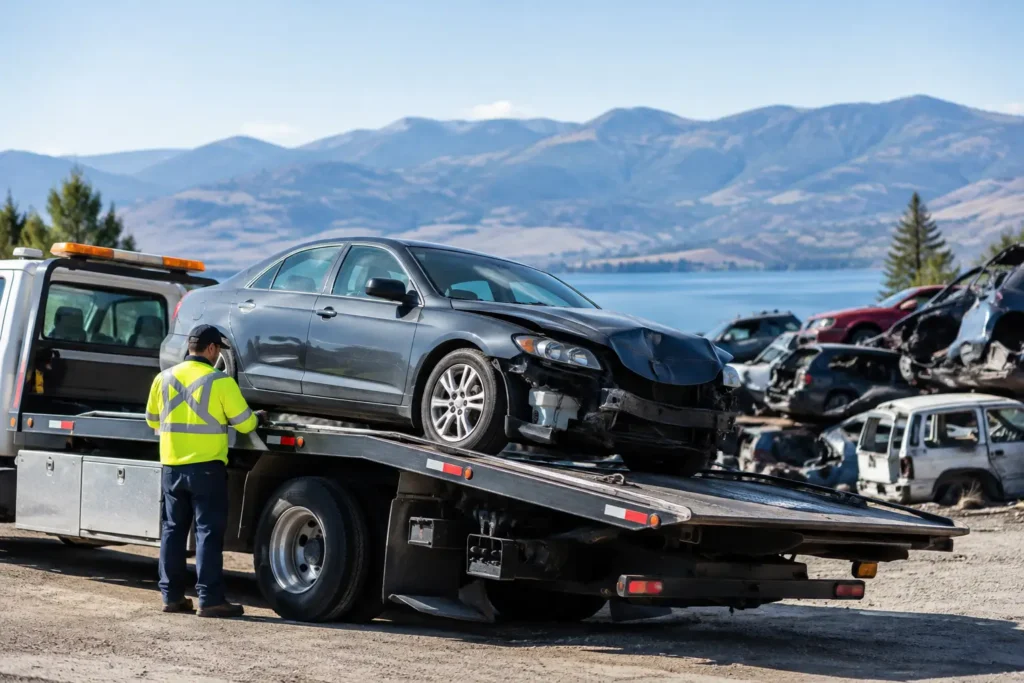
If the vehicle is uninsured, not roadworthy, or unable to start reliably, do not drive it to a disposal location. Professional pickup is designed for exactly this situation. It saves you from arranging a risky favor, borrowing equipment, or hoping the vehicle makes one last trip.
This matters even more on rural properties and narrow residential roads. The right equipment and an experienced operator make removal safer for the vehicle, your driveway, nearby structures, and everyone around the job.
What to Expect When You Arrange Pickup
A reputable local removal service should make the process clear from the first phone call. Be ready to describe the vehicle’s year, make, model, condition, and location. Mention whether it runs, whether it can roll, and whether you have the ownership documents available.
You should also ask about timing. If the vehicle is blocking access, creating a property concern, or simply needs to be gone quickly, say so upfront. Fast response matters when an unwanted vehicle is adding pressure to an already busy week.
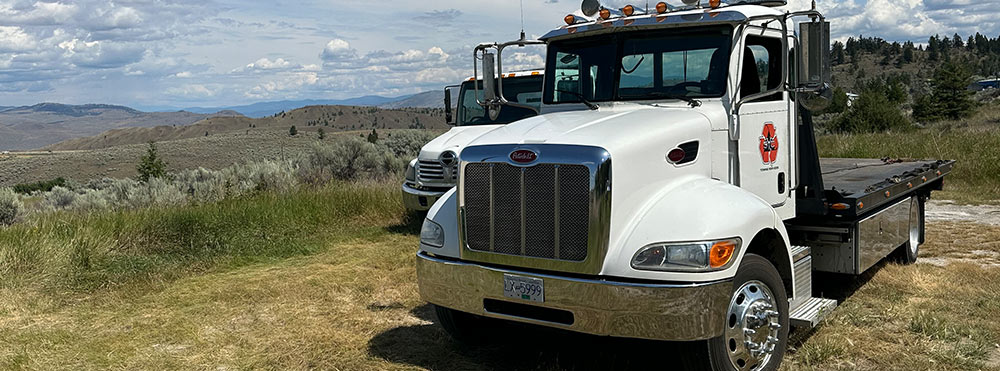
On the day of removal, make sure the vehicle is accessible and that the person authorized to release it is available. The process should be professional and straightforward, not confusing or drawn out. Scrap Your Car provides local pickup for unwanted, damaged, and non-running vehicles across Interior communities, with a focus on getting the job handled without making owners jump through hoops.
Avoid These Common Disposal Delays
Most vehicle removal delays are preventable. The biggest issue is incomplete information. If the vehicle is not at the address you gave, cannot be reached easily, or has an ownership concern that was not mentioned, pickup may need to be rescheduled.
Another issue is waiting until the vehicle becomes a bigger problem. A car that is parked safely today can become harder to deal with after a long winter, a leaking fluid issue, a complaint, or a change in property plans. If you know you are done with it, arranging removal sooner is usually easier than managing the consequences later.
It also helps to be realistic about condition. Do not worry about making the vehicle presentable. A junk vehicle is a junk vehicle. Be honest about whether it starts, rolls, has been sitting for years, or is damaged. Clear details allow the removal team to arrive prepared.
Disposal Is About More Than Clearing Space
Getting rid of an unwanted vehicle creates an immediate visual difference, but the practical benefit goes further. You regain parking space, reduce clutter, and stop spending mental energy on a vehicle you do not intend to use. For families, that can mean room for a working car, recreational equipment, or simply a cleaner driveway.
For property owners outside town, old vehicles can slowly become part of the landscape because there is always something more urgent to do. That is understandable, but putting it off does not make the task smaller. One scheduled pickup can remove a problem that has been hanging over the property for years.
If you are dealing with an old, damaged, uninsured, or non-running vehicle, keep the process simple. Gather your documents, clear out your belongings, describe the location honestly, and arrange professional removal. A problem vehicle does not deserve another season in your driveway when one call can put that space back to better use.