
That uninsured car sitting in the driveway usually starts as a temporary problem. Then the battery dies, the registration lapses, the tires sink into the gravel, and suddenly it has been there for months. If you are wondering who removes uninsured vehicles, the short answer is this: a local vehicle removal company is usually the most direct option when the vehicle is on your property and you want it gone quickly.
That matters because uninsured vehicles create more than an eyesore. They take up space, attract complaints, and often become one more thing on a growing list of jobs you never asked for. If the car does not run, cannot be legally driven, or is simply not worth fixing, removal is usually the practical next step.
Who removes uninsured vehicles from private property?
In most cases, uninsured vehicles are removed by a licensed tow or junk vehicle removal company, not by your insurance provider and not by the city unless there is a bylaw issue or abandonment complaint. If the vehicle is on your own property and you own it, the easiest route is to call a company that handles non-running and unwanted vehicle pickup.
That is the key distinction. An uninsured vehicle can still be legally owned. It just cannot be driven on public roads. So the issue is not usually ownership. The issue is transport. Since you cannot legally drive it away, someone has to come and haul it.
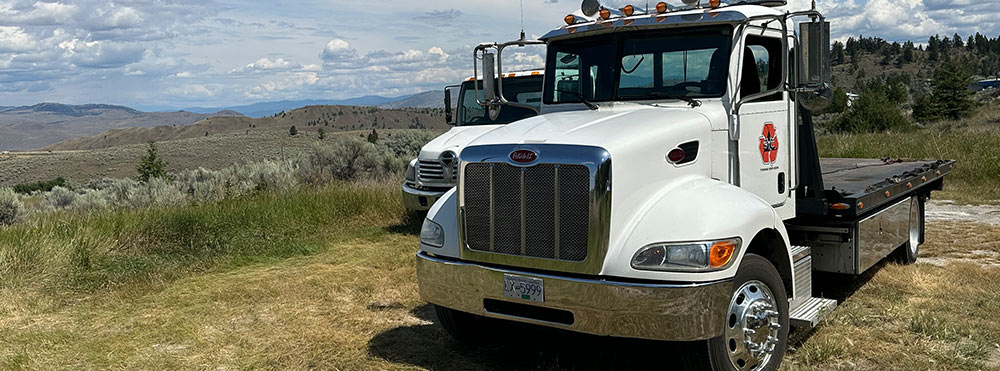
For most homeowners, that means skipping the back-and-forth and calling a local company that already removes dead cars, damaged cars, and vehicles that have been parked too long. A professional removal service has the truck, the equipment, and the experience to load a vehicle that will not start or move under its own power.
Why uninsured vehicles are harder to deal with than people expect
A lot of owners assume they can deal with the car later. Then later gets expensive or complicated.
An uninsured vehicle often overlaps with other problems. It may have mechanical damage, rodent issues, flat tires, brake problems, or missing paperwork. It may be parked in a tight side yard or blocked in by other vehicles. The longer it sits, the less likely it is that a simple DIY solution will work.
There is also the legal side. You may own the vehicle, but if it is parked where it triggers neighborhood complaints or local bylaw attention, the pressure ramps up quickly. In some areas, an inoperable or unlicensed vehicle stored in plain view can bring warnings or fines. Even without formal enforcement, many people just want the stress off their property.
That is why fast removal matters. It turns an ongoing hassle into a one-call job.
Who removes uninsured vehicles if the car does not run?
If the vehicle does not run, a specialized removal company is almost always the right call. Standard towing can work in some situations, but not every towing setup is ideal for long-parked junk vehicles. A car that has been sitting for months or years may have locked brakes, seized components, or no safe way to roll.
A removal company that deals with unwanted vehicles every day expects those conditions. They know how to handle vehicles with no power, no current registration, and no realistic chance of driving again. That makes the process faster and usually less frustrating for the owner.
It also helps when access is awkward. Rural properties, sloped driveways, soft ground, and backyard parking spots are common across Interior communities. A company that works locally and sees these situations all the time can usually tell you upfront what is possible and what they need from you.
What you usually need before removal
Most of the time, the process is straightforward, but it is not completely paperwork-free. The removal company will generally need to confirm that you own the vehicle or are authorized to have it removed.
That usually means having identification and some form of ownership document available. If the paperwork is missing, it does not always stop the process, but it can slow things down. The exact requirements depend on the condition of the vehicle and the company’s process.
The good news is that insurance is not usually required for removal. That is the whole point. The vehicle is not being driven on the road. It is being hauled away. So if your policy lapsed months ago, that alone does not prevent pickup.
What does matter is clear ownership, clear access, and accurate information when you call. If the car is missing keys, buried in snow, or parked behind another non-running vehicle, say that upfront. Good removal companies would rather know the full situation before they arrive.
When the city, property manager, or police may be involved
There are cases where a private removal company is not the first call.
If the uninsured vehicle is abandoned on a public street, parked illegally, or left on someone else’s property without permission, local authorities or property management may need to start the process. In those situations, ownership, liability, and enforcement become part of the issue.
The same goes for rental properties or shared properties where the person requesting removal is not the legal owner of the vehicle. If there is a dispute over who owns it, a removal company may not be able to touch it until that is sorted out.
So it depends on where the vehicle is and who has the right to authorize removal. If it is your vehicle on your property, the path is usually simple. If it is someone else’s vehicle or there is a legal dispute, expect extra steps.
How fast can an uninsured vehicle be removed?
Often faster than people think.
If the vehicle is accessible and ownership is clear, many local removal companies can schedule pickup quickly, sometimes the same day or next day depending on demand and location. In places like Salmon Arm, Vernon, Kelowna, or nearby communities, that speed can make a big difference when the vehicle is blocking space you actually need.
Response time does vary. Distance, weather, road conditions, and the vehicle’s condition all matter. A car parked on level pavement is easier than one half-sunk in a field. A compact sedan is different from a heavily damaged truck. Still, for most standard residential pickups, the process is designed to be simple.
This is one reason local service matters. You do not want to spend days chasing a call center three towns away when you just need the car removed from your property.
What to expect when you call
A good removal company will usually ask a few basic questions right away. They will want the make and model, where the vehicle is located, whether it runs, and whether you have ownership paperwork. They may also ask about access conditions, such as a narrow driveway, steep grade, or blocked position.
That is not red tape. It is how they make sure the right truck and equipment show up the first time.
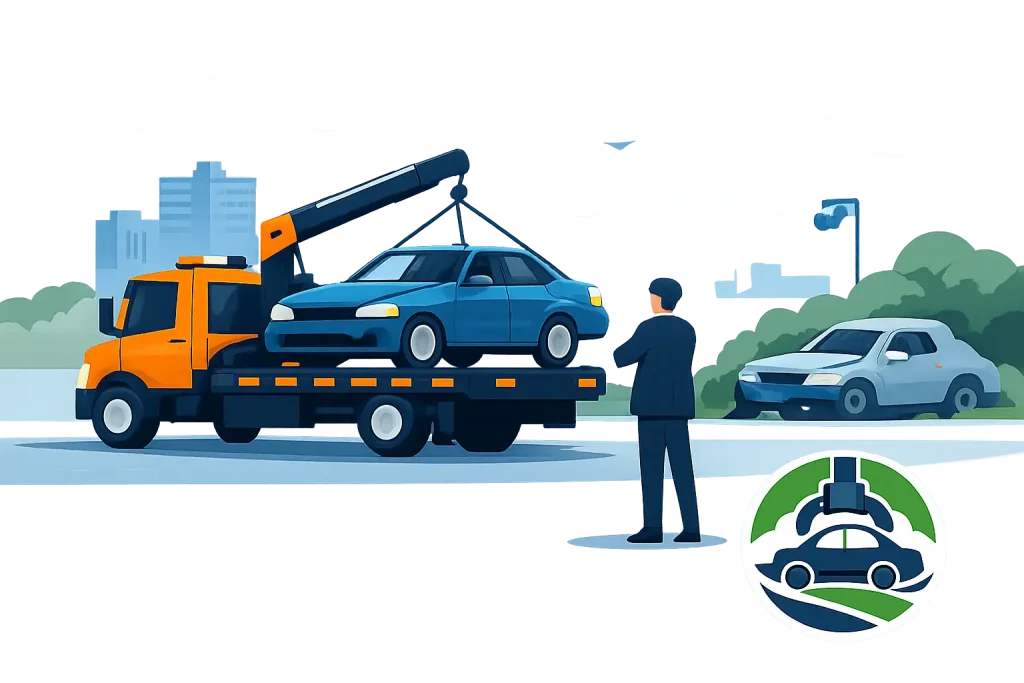
From there, the process is usually simple. You confirm the details, set the pickup, and make sure the vehicle is accessible. When the driver arrives, they verify the paperwork, load the vehicle, and remove it from the property.
For most owners, the biggest relief is not technical. It is emotional. The car is finally gone. The driveway, side yard, or shop area is usable again. You are not looking at the same problem every morning.
The biggest mistake owners make
Waiting for the car to somehow become worth fixing.
Sometimes repair does make sense. But often, uninsured vehicles stay uninsured for a reason. The transmission failed. The engine overheated. Electrical problems piled up. The vehicle sat so long that every month made it less realistic to put back on the road.
At a certain point, keeping it becomes the more expensive decision, even if the cost is not obvious at first. You lose space, deal with stress, and risk bylaw trouble or neighborhood complaints. What looks like postponing a decision is really just extending the problem.
That is why a practical removal service exists. Not every old vehicle needs a second life in your driveway.
If you are still asking who removes uninsured vehicles, the answer is usually a local company that handles unwanted, non-running vehicle pickup from private property. If the car is yours, the paperwork is reasonably clear, and you want it gone without more hassle, the next step is usually much simpler than people expect. One phone call can turn a stuck problem into open space again.