A car that has not moved in months can quickly become more than an eyesore. It can take up needed parking, attract complaints, create safety concerns, and leave you wondering what happens if it is reported. Understanding abandoned car towing versus impound helps you make the right call before a problem vehicle turns into a costly, stressful situation.
For most homeowners, the best outcome is simple: arrange a legitimate removal while you still control the timing. An impound is usually a response to a parking, bylaw, safety, or ownership issue. A private towing pickup, on the other hand, is often a planned solution for an unwanted vehicle on your own property.
Abandoned Car Towing Versus Impound: The Main Difference
Abandoned car towing generally means a vehicle is removed because it has been left somewhere it should not be, appears inoperable, violates local rules, or has been reported to the appropriate authority. Depending on where it is located, a municipality, police department, property manager, or authorized towing company may become involved.
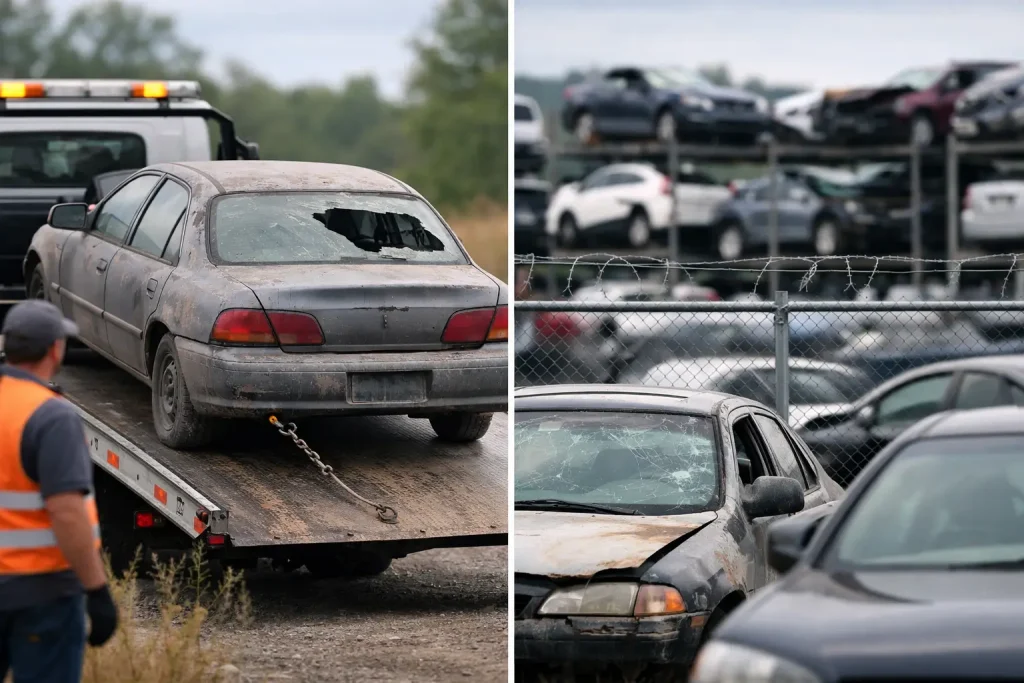
Impound refers to what happens after an authorized tow in many cases. The vehicle is taken to a secured holding facility, where it remains until the legal owner or another authorized person deals with the required paperwork, fees, and release conditions. Storage charges can add up day by day.
The difference matters because a voluntary pickup from your driveway is not the same as having a vehicle towed and held after enforcement action. If you own the vehicle and no longer want it, arranging removal early is typically simpler than waiting for a complaint or order.
When a Vehicle May Be Considered Abandoned
A vehicle is not necessarily abandoned just because it is old, uninsured, damaged, or not running. The legal definition depends on local rules, where the vehicle is parked, how long it has been left there, and whether someone can show ownership.
On a public street, an unmoved or unregistered vehicle may draw attention quickly. It can block access, take up limited parking, or create a hazard. A vehicle left on private commercial property without permission can also be subject to removal under the property owner’s rules.
On your own residential or rural property, the situation is usually different. You generally have more control over a vehicle you own, but that does not mean there are no limits. Local bylaws may address unsightly properties, inoperable vehicles, fluid leaks, fire risk, or vehicles stored where they can affect neighbors or public safety. If the vehicle is visible from the road and clearly deteriorating, it may be more likely to generate a complaint.
That is why waiting for an official notice is rarely the easiest plan. If the car has a blown engine, severe body damage, electrical problems, or has simply sat too long to be worth fixing, dealing with it on your schedule can prevent unnecessary pressure later.
Who Has the Right to Authorize a Tow?
Authority is the point where many people get confused. A neighbor cannot usually have your car removed from your private driveway just because they dislike looking at it. Likewise, you should not arrange to remove a vehicle that belongs to someone else without clear legal authority.
On private property, the registered owner of the vehicle can usually arrange a voluntary pickup. If the vehicle belongs to a relative, former tenant, estate, or another person, the situation may require additional documentation or approval. Property ownership alone does not always give someone the right to dispose of a vehicle they do not own.
On public roads, authorities may have the power to order removal when a vehicle violates parking restrictions, creates a hazard, lacks required registration, or meets the local definition of abandoned. Property managers and business owners may also have towing authority for vehicles left without permission, provided they follow applicable local rules and notice requirements.
If there is any uncertainty about ownership, do not guess. Gather the paperwork you have and speak with the relevant local authority or a professional vehicle removal company before scheduling anything. A quick call can prevent a much bigger headache.
Why Impound Can Become Expensive Fast
Once a vehicle is impounded, the bill may include more than the initial tow. There may be administrative charges, daily storage fees, and additional requirements before the vehicle can be released. The longer it sits, the less practical it can become to retrieve, especially when the car already needs major repairs.
There is also the inconvenience factor. You may need to confirm ownership, obtain documents, visit the holding location during business hours, and make a decision under time pressure. If the vehicle is not worth repairing or keeping, those steps can feel like paying to reclaim a problem you were already trying to solve.
This does not mean every impound situation is avoidable. A vehicle may be towed suddenly after an accident, a traffic stop, or an emergency. But when the issue is an old vehicle sitting at home, acting before enforcement becomes involved gives you more options.
A Better Option for an Unwanted Vehicle at Home
If the vehicle is on your property and you are ready to let it go, a planned removal is usually the cleanest route. You choose the pickup time, confirm the ownership details in advance, and avoid having a non-running car become a neighborhood or bylaw issue.
This is especially useful for homeowners who have been putting off the decision because the car is not blocking the driveway every day. It may be parked beside a garage, at the back of a rural lot, or under a cover where it is easy to ignore. Still, space matters. So does peace of mind.
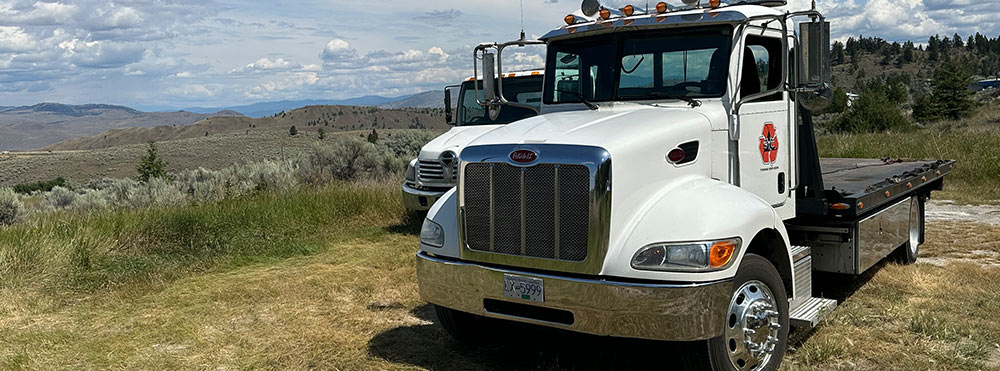
A local service such as Scrap Your Car can help owners in the Interior arrange a straightforward pickup for unwanted, damaged, or non-running vehicles. The key is to call before the situation involves notices, disputes, or a tow ordered by someone else.
What to Have Ready Before You Call
A removal company will need enough information to confirm that the pickup can be handled properly. Having the basics ready can make the process faster and reduce the chance of a wasted trip.
Keep these details nearby:
- Your name and a way to reach you on pickup day.
- The vehicle’s make, model, approximate year, and condition.
- Its exact location on the property and whether access is clear.
- Any ownership documents or identification the company asks you to provide.
Be honest about the vehicle’s condition and location. A car sitting on a flat driveway is different from one tucked behind a shed, parked on soft ground, or blocked by other vehicles. Clear information lets the removal team arrive prepared and helps keep the pickup quick.
Common Situations That Need Extra Care
Some vehicle removals are not as simple as they first appear. If the registered owner has passed away, the vehicle may be part of an estate and require authorization from the person handling that estate. If a car was left by a former tenant or previous property owner, do not assume it is yours to dispose of simply because it is on your land.
Vehicles with a loan, ownership dispute, or missing documents can also require more investigation. In these cases, contacting local authorities or seeking legal guidance may be the right next step. It is better to take a little extra time than to create an ownership dispute over a vehicle that was supposed to be gone.
If the vehicle is leaking fluids, has sharp damaged areas, or is located where children can access it, keep people away from it until removal can be arranged. Do not try to move an unsafe vehicle with improvised equipment. The goal is to clear the problem without creating an injury or property damage claim.
Do Not Let an Unwanted Car Decide the Timeline
The practical choice in abandoned car towing versus impound often comes down to who is making the decision. When you arrange removal as the owner, you can address the vehicle before fees, notices, storage charges, or disputes start piling up. When the vehicle is reported and towed under enforcement authority, the process may no longer be in your hands.
If an old car is taking up room at your home in Salmon Arm, Vernon, Kelowna, Kamloops, or a surrounding Interior community, deal with it while the solution is still straightforward. One phone call today can turn a long-standing property problem into open space and one less thing to worry about.