

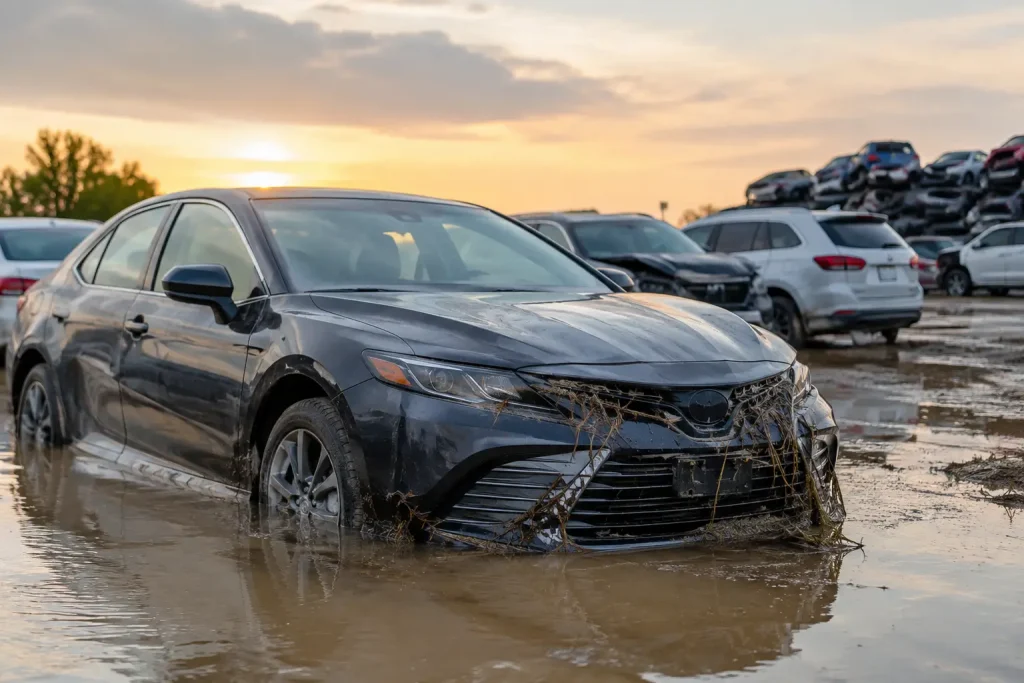
A flood-damaged vehicle can look fine from the driveway and still carry serious problems behind the scenes. Water gets into electrical connectors, seat tracks, carpet, modules, and places you cannot easily inspect. The best options for flood damaged cars depend on how high the water rose, how long the vehicle was submerged, its age, and whether a safe repair is realistic.
For many Interior homeowners, the first goal is simple: get the vehicle out of the way without creating a larger safety, insurance, or property problem. Do not rush into repairs or start the engine just because the water has gone down. Take a few smart steps first, then decide whether keeping, repairing, or arranging pickup makes the most sense.
1. Do Not Start or Drive the Vehicle
If floodwater reached the floor, engine bay, or interior, leave the vehicle parked. Trying to start it can turn a manageable problem into major engine or electrical damage. Water in the intake, oil, fuel system, or wiring can cause failures that are not obvious until later.
Disconnecting the battery may be appropriate if it can be done safely, but do not put yourself at risk around standing water, damaged wiring, or unstable ground. If the vehicle was moved by water, check for fuel smells, leaking fluids, broken glass, or damage underneath before going near it.
Take clear photos from several angles. Photograph the water line, interior condition, visible debris, and any storm damage around where the vehicle was parked. Those pictures can help with an insurance claim and give a repair shop or removal provider a clearer idea of the situation.
2. Contact Your Insurance Provider Before Making Big Decisions
Comprehensive coverage may help with flood damage, while basic coverage may not. Every policy is different, so contact your insurer promptly and ask what documentation they need before authorizing repairs, moving the vehicle, or disposing of it.
Be direct when describing what happened. Let them know whether the vehicle was fully submerged, whether water entered the cabin, and whether it was exposed to river water, runoff, mud, or sewage. Dirty floodwater is more concerning than clean rainwater because it can leave behind contaminants and corrosion that are difficult to remove.
An adjuster may inspect the vehicle or ask you to obtain an estimate. Even if the vehicle is older or uninsured, documenting its condition is still worthwhile. You will have a better record of why it is not safe or practical to keep.
3. Get a Professional Inspection for Limited Water Exposure
Not every wet vehicle is a complete loss. A car that had only light water exposure, with no water inside the cabin and no engine contact, may be worth inspecting and drying out. This is the situation where a qualified mechanic can help you make a fact-based decision instead of guessing.
Ask for an inspection that looks beyond the obvious. Water damage can affect electrical systems, brake components, fluids, sensors, upholstery, and safety equipment. A proper assessment should identify what needs immediate attention and what may fail later due to corrosion.
The repair decision comes down to the estimate versus the vehicle’s real-world value and reliability. Replacing one damaged component may be reasonable. Chasing intermittent electrical faults for months usually is not. If the vehicle was already non-running, uninsured, or due for expensive mechanical work before the flood, a repair bill may simply add to a problem that was already past its practical limit.
4. Consider Repairs Only When the Vehicle Has a Clear Future
Repairing a flood-affected vehicle makes sense in some cases, but only when the work is safe, documented, and financially sensible. Light exposure caught quickly can sometimes be addressed through professional drying, cleaning, fluid checks, and targeted repairs. A newer vehicle with limited damage may justify that cost.
Full submersion is different. When water has reached the seats, dashboard, or engine, long-term reliability becomes the concern. Even after cleaning, corrosion can continue inside connectors and wiring. Warning lights, electrical glitches, starting problems, and mold odors may show up weeks or months later.
Before approving a major repair, ask yourself three practical questions: Will the repair cost be close to what the vehicle is worth? Will it be dependable for your family after the work is done? And are you prepared for follow-up issues that may not appear on the first estimate? If the answer is no, it is reasonable to choose removal instead of putting more money into an uncertain vehicle.
5. Keep Safety and Property Rules in Mind
A damaged vehicle sitting in a garage, driveway, field, or side yard can become more than an eyesore. Floodwater can leave mold, contaminated material, leaking fluids, and electrical hazards. If the vehicle is blocking access, taking up needed parking, or attracting complaints, waiting too long can create extra stress.
This matters especially after a local storm, when repair shops, insurers, and towing services may all be busy. The sooner you decide what you are doing with the vehicle, the sooner you can clear space and focus on the rest of the cleanup.
Do not rely on a tarp or open windows as a long-term solution. Airing out the interior may reduce moisture, but it does not confirm the vehicle is safe to operate. It also does not stop hidden corrosion or solve contamination concerns.
6. Arrange Professional Pickup When Repairs Do Not Add Up
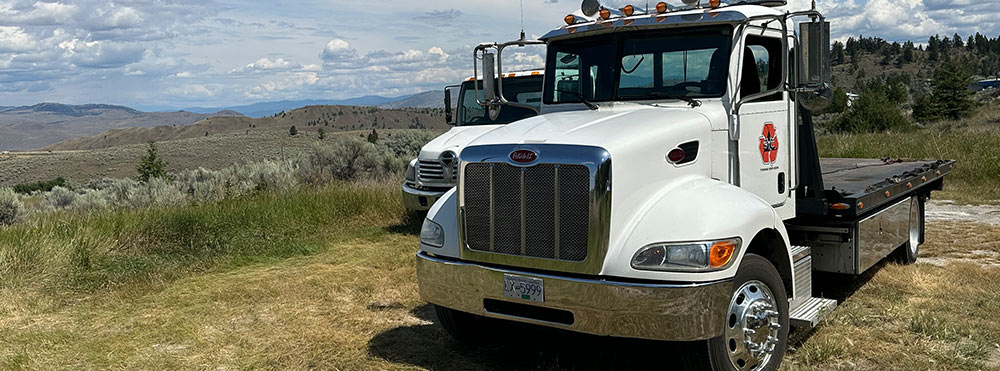
For a severely flooded, non-running, or unsafe vehicle, professional pickup is often the simplest path forward. It removes the vehicle from your property without asking you to drive it, advertise it, coordinate with strangers, or keep it sitting there while you weigh expensive repairs.
This option is particularly helpful when a vehicle is stuck in a driveway, on a rural property, or at a home with limited space. A local vehicle removal company can assess access, plan the pickup, and handle the hauling so you are not left trying to solve a difficult transportation problem on your own.
Scrap Your Car provides fast local vehicle pickup for unwanted and damaged vehicles across the Shuswap, Okanagan, Kamloops, and surrounding Interior communities. If flood damage has turned your vehicle into one more item on a long cleanup list, a direct phone call can get the process moving.
What to Have Ready Before You Arrange Pickup
A quick call goes more smoothly when you can describe the vehicle clearly. Have the year, make, model, general condition, and location available. Let the provider know whether it starts, whether it is blocked in, and whether floodwater or storm damage has affected access to the property.
You should also have the ownership paperwork available and remove your personal belongings from the vehicle when it is safe to do so. Check the glove box, center console, trunk, seat pockets, and under the seats. Flood cleanup is stressful, and important documents or personal items are easy to overlook.
If an insurance claim is still open, confirm with your insurer that pickup can proceed. Once that is clear, there is no advantage in letting a badly damaged vehicle occupy your driveway for weeks.
A flooded vehicle is not something you need to figure out alone from the side of the road or your driveway. Get the facts, make the decision that fits the vehicle’s condition, and clear the problem safely so you can put your attention where it belongs: getting life back to normal.