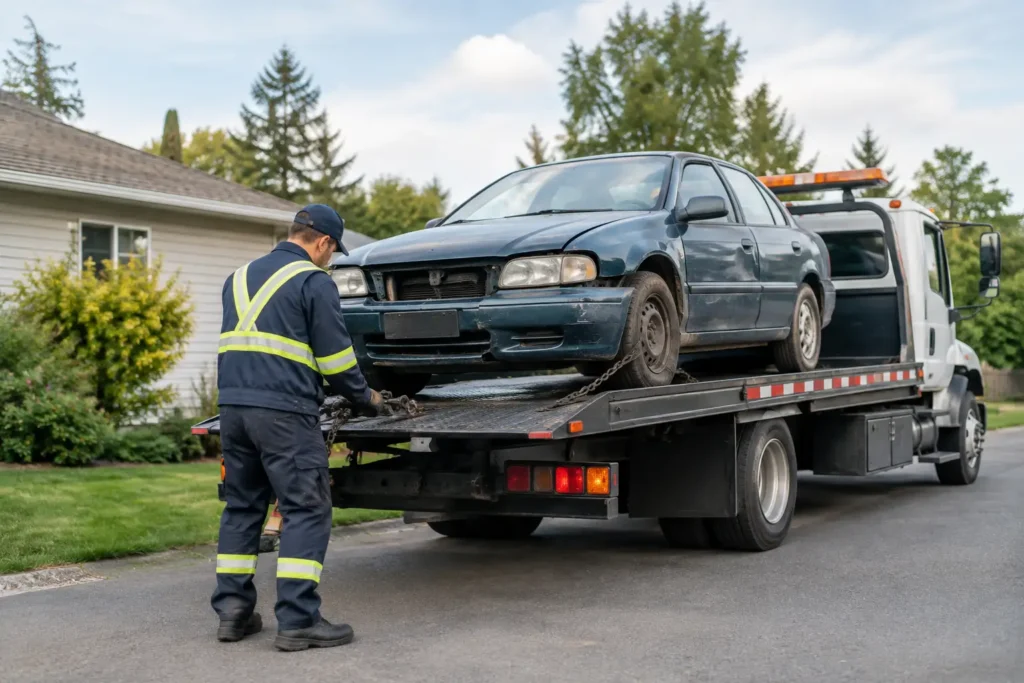
A dead vehicle can turn into a bigger headache than most people expect. It takes up driveway space, creates an eyesore, and may become a concern when neighbors, property managers, or local bylaws get involved. So, can a junk car be towed? In most cases, yes. A professional vehicle removal company can tow a non-running, damaged, uninsured, or unwanted vehicle directly from your property, even if it has been sitting for years.
The key is making sure the vehicle is accessible and that you can show you have the authority to have it removed. Once those basics are handled, getting rid of an old vehicle is usually much simpler than arranging repairs, storage, or repeated attempts to sell it privately.
Can a Junk Car Be Towed If It Does Not Run?
Yes. A junk car does not need to start, drive, or be roadworthy to be towed. That is one of the main reasons property owners call a professional pickup service in the first place. Vehicles with a bad transmission, serious engine trouble, electrical problems, collision damage, rodent damage, or long-term neglect can often still be loaded and hauled away.
The towing approach depends on the vehicle’s condition and where it is parked. A vehicle sitting on a level driveway is generally straightforward. One that is parked behind a garage, sunk into soft ground, blocked by other vehicles, or located on a rural property may require a little more planning. That does not necessarily mean it cannot be moved. It just means the tow operator needs an accurate picture before arriving.
Be direct when you call. Explain whether the vehicle rolls, where it is located, and whether there are gates, tight turns, steep driveways, or other access issues. A good local operator would rather know the situation ahead of time than have surprises when the truck arrives.
What You Need Before Having a Junk Car Towed
Most people expect the hard part to be the tow itself. Usually, the real question is whether the vehicle can legally and safely leave the property. A few simple details can prevent delays.
Proof You Can Authorize the Tow
If the vehicle belongs to you, have your ownership documents or registration available if requested. Requirements can vary depending on the vehicle’s history and condition, but the operator needs to know that the person requesting removal is authorized to do so.
If the vehicle belonged to a family member, was left behind by a previous tenant, or has been sitting on a property you recently purchased, do not assume it can automatically be towed away. Call and explain the circumstances. Ownership questions are best handled before the truck is dispatched, not after it arrives.
Clear Access to the Vehicle
Move other vehicles if they block the path. Open gates, unlock access points, and make sure a tow truck can reasonably reach the location. On acreage or rural properties, let the operator know if the vehicle is down a narrow lane or beyond a rough section of driveway.
You do not have to make the site perfect. Professional operators work with difficult parking spots every day. Still, clear access makes the pickup safer, faster, and less stressful for everyone.
Your Personal Belongings Removed
Before the vehicle is picked up, check the glove box, center console, trunk, door pockets, and under the seats. Old vehicles often contain insurance papers, garage remotes, keys, tools, registration documents, personal mail, or items that were forgotten years ago.
Take a few extra minutes for this step. Once the vehicle is loaded and gone, recovering a missed item can be difficult. If you have a license plate that needs to be dealt with separately, ask about the appropriate next step for your situation.
When Towing a Junk Car Makes More Sense Than Keeping It
An old vehicle can sit for months because it feels like a job for another day. Then another season passes, the repair estimate grows, and it becomes harder to move. At some point, keeping it stops being practical.
Towing is often the sensible choice when the vehicle has major mechanical failure, has not run in a long time, is uninsured, or is no longer worth repairing. It can also make sense when the vehicle is creating a safety concern for children, taking up needed parking, or causing tension with a landlord, strata, neighbor, or municipality.
For many homeowners, the biggest benefit is relief. There is no need to keep looking at the same problem in the driveway or wondering whether it will become more expensive to deal with later. One phone call can turn a stalled project into cleared space.
Can a Junk Car Be Towed From a Rural Property?
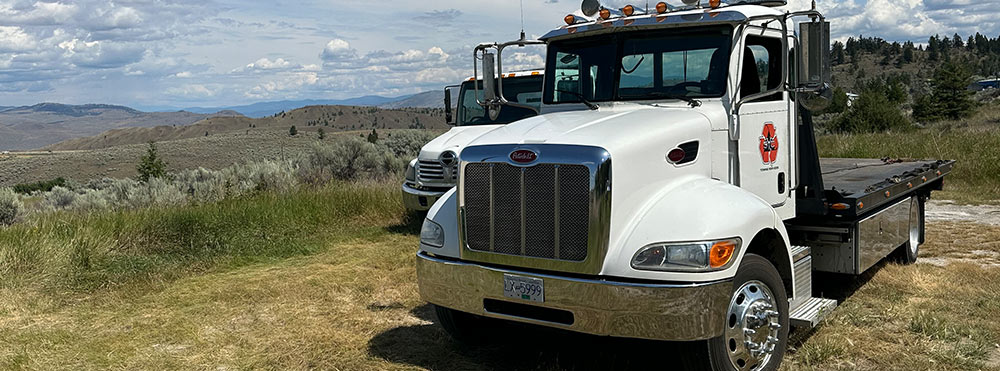
Yes, but rural pickups often require more detail before scheduling. Properties around the Shuswap, Okanagan, Kamloops, and nearby Interior communities can have long driveways, uneven ground, seasonal access challenges, and limited turnaround space. None of those factors automatically prevent a tow, but they can affect the equipment, timing, and approach.
When you call, describe the route as clearly as possible. Mention whether a larger truck can enter the property, whether there is room to turn around, and whether the vehicle is near a slope, ditch, fence, or wooded area. If weather has made the ground soft or slippery, say so. Honest details help the towing team arrive prepared.
It is also helpful to be available by phone when the driver is on the way, especially if your address is difficult to find or the vehicle is not visible from the road. A quick conversation can save time and keep the pickup moving.
What Happens on Pickup Day
A professional removal visit is usually straightforward. The operator confirms the vehicle and its location, checks access, verifies the necessary information, and prepares it for loading. You may be asked a few questions if the vehicle’s condition or ownership situation was not fully clear during the call.
You do not need automotive knowledge to arrange this. You only need to provide an accurate description and be clear about the vehicle’s location. If there is a complication, such as limited access or unclear paperwork, it is better to address it openly than to guess.
Scrap Your Car focuses on making this process simple for local owners who are tired of an unwanted vehicle taking up space. The goal is not to create more work for you. It is to show up prepared, handle the pickup professionally, and let you get back to using your property the way you want.
Do Not Wait for the Problem to Get Bigger
A parked vehicle may seem harmless, but long-term storage can create avoidable problems. Fluids can leak, pests can move in, weather can cause more deterioration, and a vehicle that was merely inconvenient can become harder to access later. If it is sitting in a spot you need for parking, visitors, projects, or peace of mind, there is little reason to keep postponing the decision.
Call a local professional, describe the vehicle honestly, and ask what is needed for pickup. With the right information and clear access, that old car can be off your property sooner than you think.