That dead car behind the garage can become more than an eyesore. This guide to unwanted car liability helps property owners understand the risks that can follow an uninsured, damaged, or non-running vehicle – and what to do before a small problem turns into a costly one.
An unwanted vehicle often sits because dealing with it feels inconvenient. Maybe it needs a major repair, has been parked since an accident, or simply stopped starting one winter. But while it waits, it can create safety concerns, insurance questions, property complaints, and stress every time you look out the window.
What unwanted car liability really means
Unwanted car liability is the responsibility connected to a vehicle you still own or control, even if you never drive it. Parking a vehicle does not automatically end your obligations. Its condition, location, registration status, insurance status, and access to other people can all matter.
The exact rules depend on your insurer, local government, and where the vehicle is kept. A car stored securely on private property may create fewer immediate concerns than one left near a road, shared driveway, rental property, or public area. Still, private property is not a free pass if the vehicle becomes unsafe, leaks fluids, attracts complaints, or can be accessed by children or unauthorized drivers.
The main point is simple: an unused vehicle does not stop being your responsibility just because it no longer runs.
The risks of leaving a problem vehicle too long
A vehicle that has been sitting for a few weeks may be manageable. One that has sat through multiple seasons can be a different situation. Weather, animals, corrosion, and neglect can turn an already damaged vehicle into a larger property issue.
Insurance gaps can create difficult questions
If a vehicle is uninsured, do not assume it is risk-free because it is parked. If someone moves it, damages property with it, or is injured while accessing it, the circumstances can become complicated quickly. Your homeowner or property policy may not cover every vehicle-related situation, especially if the vehicle is being driven, moved, or stored in an unsafe condition.
Call your insurance provider if you are unsure what coverage applies. Ask directly about a non-operational vehicle stored on your property, whether it needs to remain registered, and what happens if it is damaged by fire, weather, or vandalism. Getting a clear answer is better than relying on assumptions.
Safety hazards can grow quietly
A neglected vehicle can develop issues that are easy to miss from the kitchen window. Leaks may affect a driveway, garage floor, or soil. Broken glass, sharp metal, loose body panels, and deteriorated wiring can create hazards for family members and visitors. Vehicles parked on an incline may also become a concern if they are not properly secured.
Children are naturally curious, and an old vehicle can look like a place to play. Keep it locked and prevent access while you decide what to do. If it is badly damaged or no longer safe to store, prompt removal is usually the cleaner solution.
Bylaw and neighborhood concerns may follow
Municipal rules vary, but visible, inoperable, or unregistered vehicles can lead to complaints in some neighborhoods. This is especially relevant when a vehicle is parked in front of a home, beside a road, in a shared area, or where it affects sightlines and access.
Rural properties may have more room, but that does not mean the problem disappears. A vehicle can still take up usable space, become harder to move as the ground softens, or create friction if it is visible from nearby homes. If you receive a notice or complaint, act early. Waiting rarely makes the situation simpler.
The vehicle may become harder to remove
A car that does not run is one thing. A car that has sunk into soft ground, collected debris, or been blocked in by other equipment is another. Delaying removal can make access more difficult and may limit when a pickup can be done safely.
This is common after a vehicle sits through snow, heavy rain, or a long Interior winter. If you know the vehicle is not worth repairing, it is usually easier to arrange removal while there is clear access to it.
A practical guide to unwanted car liability before removal
You do not need to become an automotive expert to handle an unwanted vehicle responsibly. A few practical checks can help protect you and make the removal process easier.
Start by confirming that the vehicle is yours to authorize for removal. Find the registration or ownership documents and keep them ready. If the vehicle belongs to a family member, an estate, a tenant, or a former partner, sort out who has authority before scheduling anything. A simple conversation now can prevent an unnecessary dispute later.
Next, remove your personal belongings. Check the glove box, center console, trunk, under the seats, and door pockets. People often find old documents, parking passes, keys, garage remotes, prescription items, and personal information in a vehicle long after they think it has been emptied.
Then, contact your insurer if the vehicle is still insured or if you have questions about coverage. Depending on your situation, you may need to cancel or change coverage after the vehicle is removed. Do not cancel anything based only on guesswork. Confirm the right timing with your provider.
Finally, make the vehicle safe while it remains on the property. Lock it, keep children away from it, and make sure it is not blocking emergency access, a driveway, or a shared lane. If it is in a hazardous position, tell the removal professional when you call so they can plan appropriately.
When removal is the sensible option
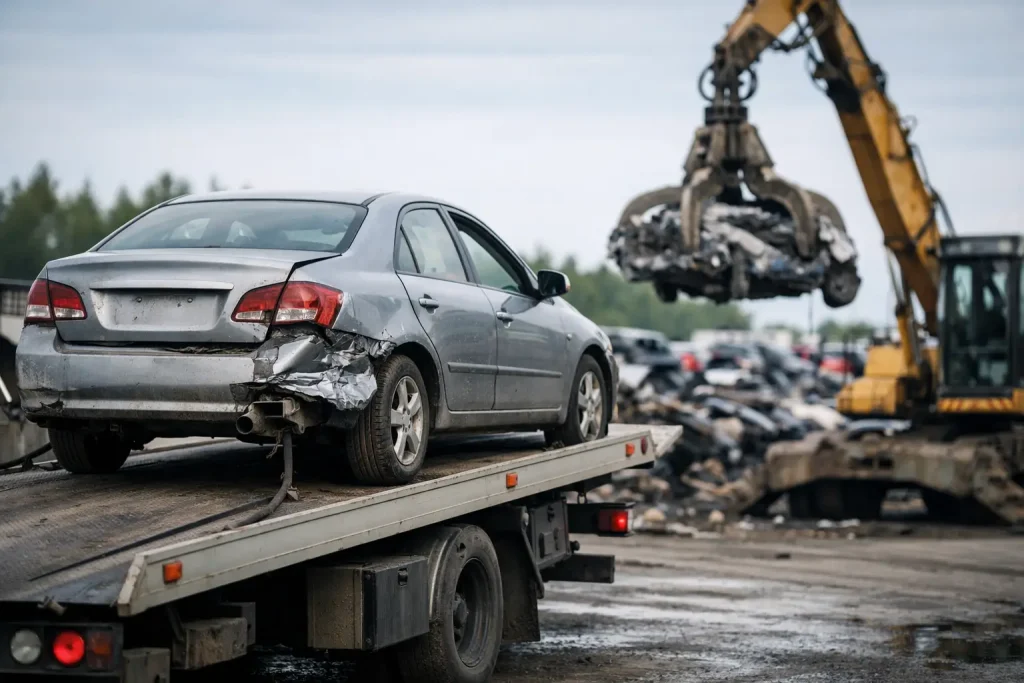
There is no prize for keeping a vehicle that has clearly reached the end of its useful life. Repairs may be worth considering when the issue is limited, the vehicle is reliable otherwise, and the cost makes sense for your needs. But when major mechanical failure, accident damage, electrical problems, rodent damage, or repeated repair bills have taken over, keeping it often creates more frustration than value.
Removal is especially sensible when the vehicle is uninsured, cannot be driven safely, is taking up needed parking space, or is attracting complaints. It can also bring peace of mind when you are dealing with a move, an inherited property, a tenant turnover, or a family member who can no longer manage the vehicle themselves.
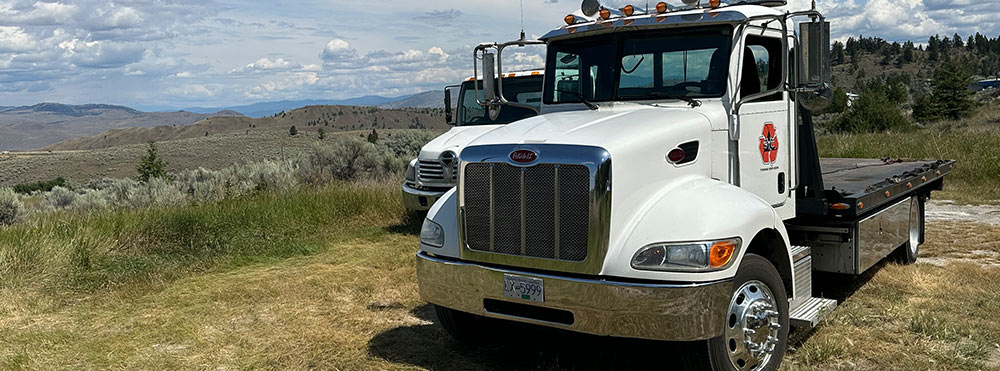
For homeowners in Salmon Arm, Vernon, Kelowna, Kamloops, and surrounding Interior communities, local pickup can be far easier than trying to coordinate transport on your own. Scrap Your Car provides a direct, professional option for unwanted vehicles that need to be gone without a long back-and-forth.
What to expect from a professional pickup
A reputable removal service should make the process clear. When you call, be ready to describe the vehicle, its general condition, and where it is located on the property. Mention whether it runs, whether access is tight, and whether it is parked in a garage, driveway, field, or behind another vehicle.
You should also ask what documentation is needed and what you need to do before pickup. Clear communication matters, particularly for vehicles that have been sitting a long time or are located on rural properties. A professional crew can plan for access and help you avoid a last-minute surprise.
Do not leave the vehicle unattended in a public spot while waiting for pickup. Keep it on your property or in a location where you have permission to store it. Until the removal is complete and the ownership paperwork is handled properly, treat the vehicle as your responsibility.
Do not let a parked car become a bigger burden
The best time to deal with an unwanted vehicle is before it creates a complaint, a safety issue, or another round of expenses. Gather your paperwork, secure the vehicle, ask your insurer the right questions, and arrange professional removal when you are ready. One call can turn a space-consuming problem into room to move forward.