
That dead vehicle in the driveway usually starts as a problem you plan to deal with later. Then later turns into months. If you are wondering how to dispose of a non running car, the real question is usually how to get it gone without wasting more time, money, or energy on something that is not coming back.
For most people, the best option depends on three things: whether the car still has any usable value, whether you can move it yourself, and how quickly you need it off the property. A non-running car is not just an eyesore. It can create safety issues, take up needed space, leak fluids, and become a headache with neighbors, strata rules, or local bylaws.
How to dispose of a non running car without making it harder
The biggest mistake people make is treating a dead car like a running one. A vehicle that will not start, cannot be driven safely, or has major mechanical damage is in a different category. Selling it privately sounds simple until buyers stop replying, ask endless questions, or expect you to arrange towing.
That is why the disposal process should start with a practical assessment, not wishful thinking. Ask yourself what condition the vehicle is really in. If it needs major engine work, has severe electrical problems, has been sitting for a long time, or is uninsured and immobile, it may be time to stop thinking in terms of repair and start thinking in terms of removal.
If the car has become a storage burden instead of transportation, holding onto it usually costs more than people expect. Even when it is not being driven, it can still create liability on your property and keep you from using your garage, driveway, or yard the way you want.
Start with the title and your basic paperwork
Before you arrange disposal, make sure you have the documents that prove the vehicle is yours. In most cases, that means the title or registration. If you cannot find the paperwork, do not assume you are stuck forever. You may still be able to replace missing documents, but you should sort that out early because it affects what removal companies can legally do.
You should also remove personal belongings from the car. People are often surprised by what gets left behind in a vehicle that has been sitting for years – paperwork, tools, electronics, mail, garage remotes, and sentimental items tucked into a console or trunk.
It is also smart to cancel any active insurance if the vehicle is still covered and you are done with it. Every situation is a little different, so timing matters. You do not want to keep paying for a vehicle you are disposing of, but you also want the handoff handled properly.
Your main options for a non-running car
There are a few ways to get rid of a non-running vehicle, but not all of them make sense for every owner.
A private sale can work if the vehicle is rare, repairable, or attractive to someone who wants a project. The trade-off is time and hassle. You will need photos, messages, price negotiations, and usually a way for the buyer to move the vehicle. For a lot of ordinary broken-down cars, that effort goes nowhere.
Donating the vehicle is another option in some areas. That can feel good if you want a simple handoff, but it still depends on the organization, paperwork, and pickup availability. It is not always the fastest route, especially if you need the vehicle gone right away.
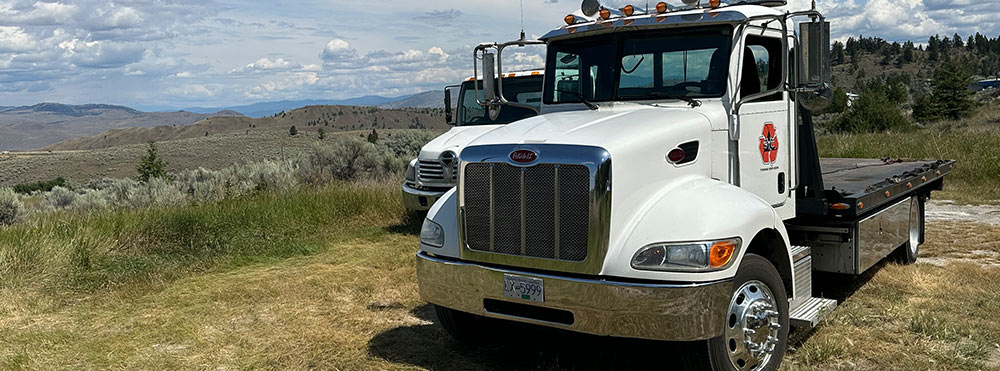
The most direct option is professional junk vehicle removal. This is usually the right fit when the car will not run, cannot be safely driven, and you want it removed from your property with as little effort as possible. A local removal company can typically tell you what they need over the phone, arrange pickup, and handle the vehicle without asking you to figure out towing on your own.
When pickup is the smartest move
If your car has a blown engine, transmission failure, serious rodent damage, flood damage, collision damage, or long-term sitting issues, towing it yourself rarely makes sense. By the time you pay for a tow and spend your own time coordinating it, you have turned a disposal problem into a bigger one.
Pickup is usually the smartest move when the vehicle is blocked in, stuck in a garage or yard, parked on gravel or soft ground, or has been sitting so long that the tires are flat and the brakes are seized. Those are the cases where experience matters. You want someone who deals with this every day and knows how to remove a vehicle safely without creating more damage or stress.
That matters even more in smaller communities and rural properties, where access can be tighter and the logistics are not always as simple as a standard city tow. In places like Salmon Arm, Vernon, Kelowna, and other Interior communities, local experience makes a difference because the property setups and distances are not all the same.
How the process usually works
If you have never done this before, the process is simpler than most people expect. First, you call and describe the vehicle. The key details are usually the make, model, year, condition, location, and whether you have the title or registration.
Next, the pickup is scheduled. A good local service will tell you clearly what to have ready and what happens when they arrive. That level of clarity matters because most customers are not looking for a complicated transaction. They just want the problem handled.
At pickup, you confirm ownership, hand over the required paperwork, and the vehicle is loaded up. If the company is set up properly, this is a quick handoff, not an all-day event. For people who have already spent months looking at the same dead car, that speed is a big part of the relief.
Common problems that slow people down
A lot of non-running cars stay parked because people think they need to fix one more thing first. They tell themselves they will clean it out later, find the title next weekend, or call around after work. Meanwhile, the car keeps sitting there.
The truth is, a vehicle does not have to be in good shape to be removed. It does not need to be repaired first, and in most cases it does not need to be made presentable. What matters is knowing who owns it, where it is, and what condition it is in.
Another delay is emotional. People remember the years they drove the car, the money they put into it, or the fact that they always meant to get it running again. That is understandable. But there is a point where keeping it stops being sentimental and starts being expensive clutter.
Safety and legal issues are worth taking seriously
A non-running car can create more than inconvenience. If it leaks fluids, attracts pests, or becomes a hazard for kids playing nearby, it is a property issue. If it is uninsured and parked where it should not be, it can also become a legal or bylaw issue.
That is one reason fast removal matters. The longer a dead vehicle sits, the more likely it is to turn into a complaint, a cleanup problem, or a source of stress every time you pull into the driveway. Getting ahead of that is usually easier than waiting until someone else forces the issue.
Choosing the right company to remove it
If you are comparing services, keep it simple. Look for a company that specializes in non-running vehicle pickup, answers the phone clearly, explains the process in plain language, and knows the local area. You should not have to chase people down for basic information.
You also want professionalism. That means showing up when promised, handling the vehicle safely, and making sure the paperwork side is straightforward. Friendly matters too. This is a practical service, but it is still easier when you are dealing with someone who treats you like a neighbor instead of a number.
That local, no-nonsense approach is why many property owners choose a service like Scrap Your Car. When the goal is simply to get an unwanted vehicle off the property quickly, one call really can make the whole thing easier.
If you are ready, do not overthink it
If the car has been dead for months, you probably already know the answer. The repair bill is not worth it, the vehicle is not getting used, and it is taking up space you want back. At that point, learning how to dispose of a non running car is less about research and more about deciding not to let the problem sit there any longer.
A dead vehicle does not improve with time. But your yard, driveway, garage, and peace of mind can improve the day it is gone.