

The water may be gone, but a flood-damaged vehicle can keep causing trouble long after the storm. If you are wondering how to junk a flood-damaged car, the safest answer is usually to stop trying to make it usable, gather your ownership documents, and arrange professional removal. A vehicle that has been underwater can develop electrical faults, mold, contaminated fluids, and corrosion that turn a simple repair into an expensive gamble.
For many homeowners, the car is also taking up needed driveway, garage, or yard space. Getting it removed promptly can take one more stressful problem off your plate.
Do Not Try to Restart a Flood-Damaged Vehicle
It is tempting to turn the key just to see whether the vehicle still runs. That is rarely a good move after flooding. Water can enter the engine, transmission, fuel system, wiring, computers, and safety systems. Starting a vehicle with water in critical components can cause more damage or create an electrical hazard.
If the floodwater was muddy, salty, or contaminated, the risk is even higher. Those contaminants can remain inside connectors, under carpets, and behind dashboard panels. A vehicle may appear dry on the outside while corrosion continues inside the systems that control braking, lights, airbags, and steering.
Leave the vehicle parked, keep children and pets away from it, and avoid handling loose wiring or damaged battery connections. If it is blocking access, leaking, or sitting in an unsafe location, tell the removal company before pickup so they can plan for the condition of the vehicle.
Decide Whether Repair Is Worth It
A mechanic can assess the damage, but a flood-damaged car often needs much more than a quick inspection. Even when it starts, hidden problems can surface weeks or months later. Electrical issues may be intermittent, interior materials can retain moisture and odor, and corrosion can affect components you cannot easily see.
Repair may make sense if the water was limited to a small area and a qualified technician confirms that major systems were not affected. But if water reached the cabin floor, dashboard, engine compartment, or electrical equipment, the repair bill can climb quickly. The vehicle’s age, mileage, existing mechanical problems, and insurance status all matter too.
If you do not want to put more money into a car with an uncertain future, junking it is often the practical choice. It removes the ongoing worry of storage, possible bylaw concerns, and the risk of someone trying to drive an unsafe vehicle.
How to Junk a Flood-Damaged Car Step by Step
The process should be simple. Start by calling a local vehicle removal professional and clearly explain that the car has flood damage. Share the make, model, general condition, whether it rolls, and where it is parked. Mention if the vehicle is in a tight driveway, on soft ground, behind a gate, or otherwise difficult to access.
Being upfront helps avoid delays on pickup day. Flood damage can make a vehicle non-operational even if it looked fine before the storm, so the removal team needs an accurate picture of what they are coming to collect.
Next, confirm what documents you need to show. In most cases, you should have proof that you own the vehicle. The exact paperwork can depend on your situation, especially if the registration is missing, the vehicle was inherited, or an insurance claim is still open. A professional local service can explain what information they need before arriving.
If you have an active insurance claim, speak with your insurer before arranging removal. The insurer may need photos, an inspection, or documentation of the vehicle’s condition. Once they have completed their process and you are clear to proceed, you can schedule pickup without the car lingering on your property.
Gather Documents and Personal Belongings First
Before the removal truck arrives, take a few minutes to clear out the vehicle. Check the glove box, center console, trunk, seat pockets, and underneath the seats. People often find registration papers, garage remotes, personal documents, tools, school items, and other belongings long after they thought the vehicle was empty.
Keep your ownership paperwork in a dry, secure place until the removal appointment. If the vehicle has been through severe flooding, take a few photos for your own records before it leaves. This can be helpful for insurance, household records, or simply for peace of mind.
Do not spend hours trying to clean or repair the car before pickup. The point of professional removal is to get the problem vehicle off your property without adding more work to your day.
Make Pickup Day Easy and Safe
A little preparation can help the removal go quickly. Before the scheduled arrival, make sure there is a clear path to the vehicle and that gates are unlocked. Move other vehicles if they are blocking access, and let the crew know about low branches, narrow driveways, steep grades, or soft ground.
Use this quick checklist:
- Remove personal belongings and documents from the vehicle.
- Have proof of ownership ready for the pickup.
- Keep the area around the vehicle clear and accessible.
- Tell the removal team about flood conditions, leaks, or access issues.
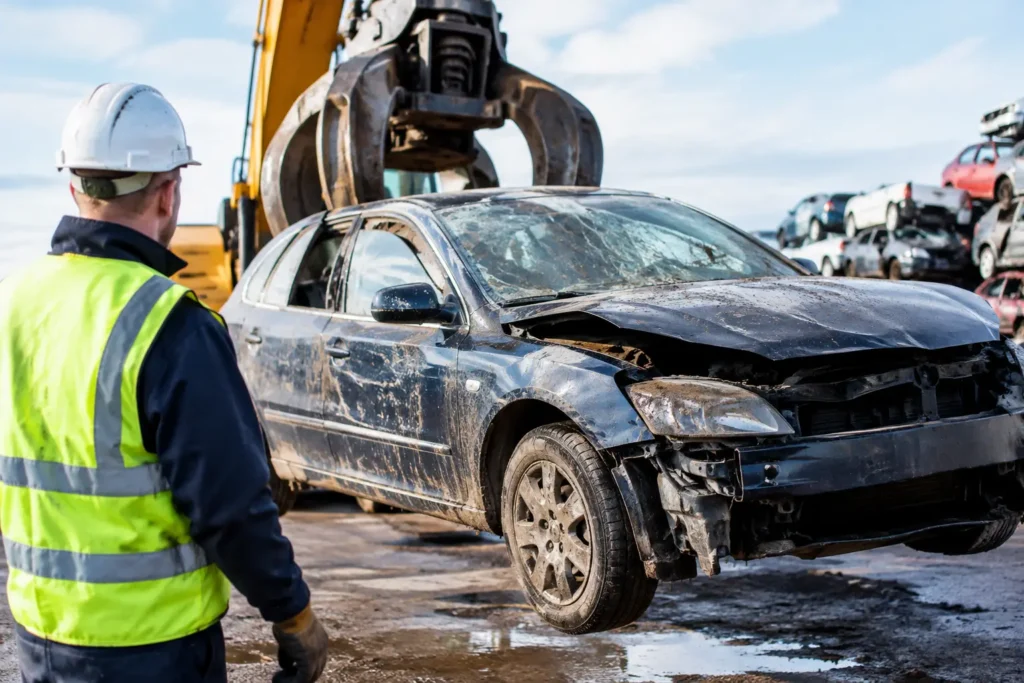
You do not need to make the vehicle look presentable. Flood-damaged cars are often dirty, wet, and non-running. A professional removal service is prepared for problem vehicles, not just clean cars parked on a paved driveway.
Why Fast Removal Is Usually the Better Move
A flood-damaged car does not improve with time. Moisture trapped in the interior can lead to mold and unpleasant odors. Corrosion can continue spreading through electrical connections and metal surfaces. If the vehicle is uninsured or cannot be driven, it may also become an ongoing liability sitting in your driveway or yard.
Fast removal gives you back your space and lets you move forward. This is particularly useful after storms, when homeowners already have cleanup, repairs, and insurance calls to manage. One phone call can be easier than trying to arrange a tow, find storage, or keep checking whether the vehicle is safe to leave where it is.
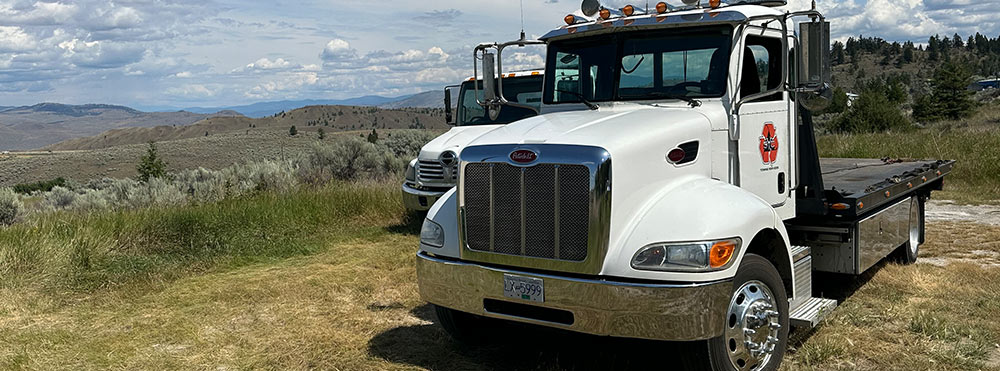
For residents across the Shuswap and Interior communities, Scrap Your Car provides a straightforward local option for unwanted, damaged, and non-running vehicles. Explain the situation, arrange a pickup time, and let the professionals handle the hauling.
Avoid These Common Flood-Damage Mistakes
The biggest mistake is assuming a vehicle is safe because it dried out. Water damage is often hidden, especially in electrical systems and beneath interior carpeting. Another common mistake is delaying the insurance conversation, then discovering that the vehicle needs to be documented before it can be removed.
Avoid listing the vehicle as a regular used car without disclosing flood damage. A buyer needs to know the true condition, and passing along an unsafe problem can create more headaches than it solves. It is also wise not to leave a damaged vehicle on the street, in a shared lane, or where it could block emergency access.
If the car is sitting on your property after a flood, you do not need to turn it into another major project. Get the documents together, make the call, and reclaim the space for something more useful.