That dead car in the driveway usually starts as a “deal with it later” problem. Then later turns into months of lost parking space, complaints from family, and one more thing hanging over your head. If you’re wondering how to tow away junk car issues without turning it into a weekend project, the shortest answer is this: make sure you can legally release it, clear a safe path, and use the right kind of towing help for a non-running vehicle.
For most owners, the hard part is not the car. It is figuring out what has to happen first, what paperwork matters, and whether it can even be moved without damage or hassle. That is where a simple, local removal service usually makes the most sense.
How to tow away junk car without making it harder
A junk car is rarely ready to move the second you decide it has to go. Flat tires, seized brakes, missing keys, dead batteries, or the fact that it has been parked in grass for two years all change what removal looks like.
That is why the first step is not hooking up a chain and hoping for the best. The first step is checking whether the vehicle can be released and accessed safely. If the ownership is clear and the tow path is open, removal is usually straightforward. If either of those is a problem, it can slow everything down.
In practical terms, most vehicle owners need to answer three questions. Do you have the right to have the vehicle removed? Can a tow truck get to it? Is the car in a condition that requires special loading equipment? Once those answers are clear, the job becomes much easier.
Start with ownership and paperwork
Before any tow happens, make sure the vehicle is actually yours to release. If your name is on the title or registration, that is usually simple. If the paperwork is missing, not updated, or still tied to someone else, deal with that first.
This matters more than people expect. A junk vehicle may look abandoned, but if the paperwork is unclear, a legitimate towing company will usually want proof that you are authorized to have it removed. That protects everyone involved and avoids problems later.
If the car belonged to a family member, a former tenant, or someone who moved away years ago, the answer may depend on the situation. It is better to ask up front than assume. A quick phone call can tell you what documents are needed and save you from a wasted appointment.
Check whether the car can be accessed
The next issue is access. A vehicle parked at the edge of a driveway is much easier to remove than one tucked behind a shed, sunk into soft ground, or boxed in by other vehicles.
Take a look at the route from the car to the road. Are there low branches, fences, soft dirt, snow buildup, steep grades, or narrow gates? If so, mention it before the tow is scheduled. The right equipment can handle a lot, but surprises slow things down.
This is especially true on rural and semi-rural properties. In places around Salmon Arm, Vernon, or the wider Interior, junk cars are often sitting in back lots, side yards, or uneven ground rather than neat suburban driveways. That does not make removal impossible. It just means the towing plan needs to match the actual site.
Know the difference between towing and proper removal
People often use the word tow for every kind of vehicle pickup, but a junk car is not always something that should be pulled the usual way. If it does not run, will not shift, has locked wheels, or has structural damage, standard towing may not be the safest choice.
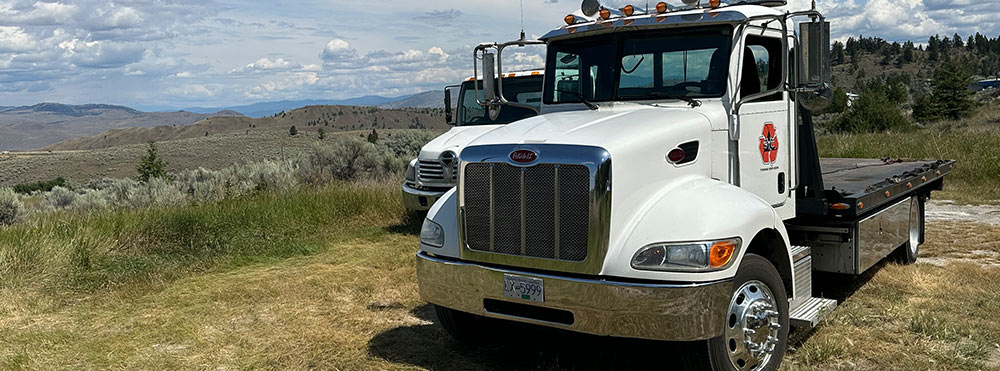
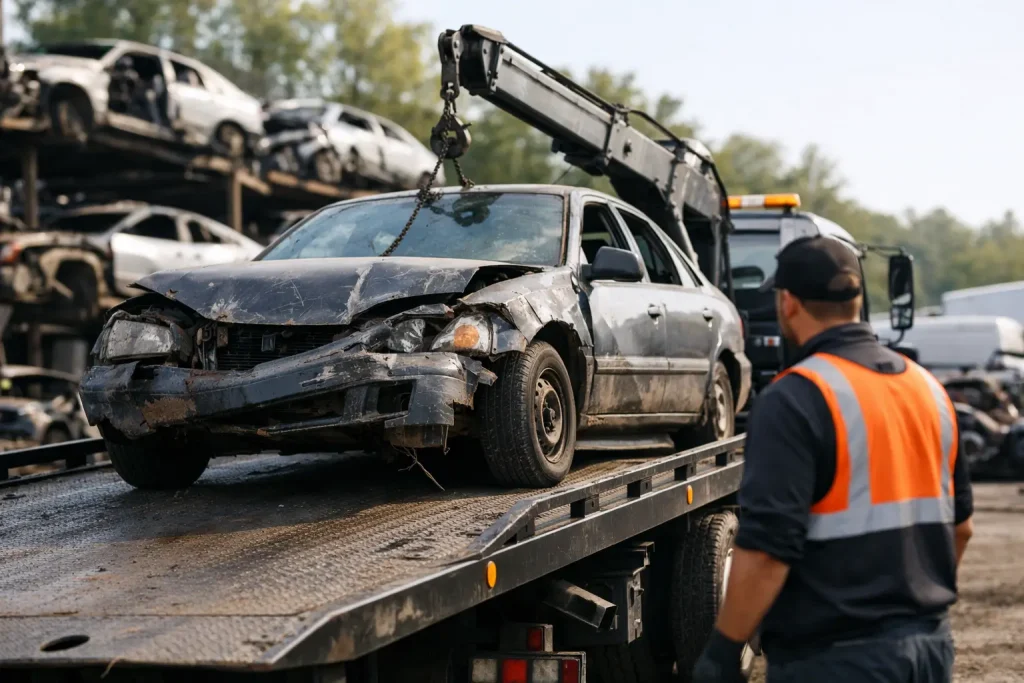
That is where professional loading matters. A non-running vehicle may need to be winched onto a flatbed or handled with extra care if it has been sitting for a long time. Trying to drag it out with another truck can damage the ground, create a safety risk, or turn a simple removal into a bigger mess.
This is one of those cases where doing it yourself is only cheaper if nothing goes wrong. If the vehicle is already a problem, most owners are better off not adding risk, injury, or property damage to the list.
What to do before the tow truck arrives
Once you have scheduled removal, a little prep can make the pickup faster. Remove personal belongings from the vehicle, including paperwork, garage remotes, chargers, and anything in the trunk or glove box. People are often surprised by what gets left behind in a car that has not moved in years.
If you have the keys, keep them handy. If you do not, say so in advance. Lack of keys usually does not stop removal, but the driver should know ahead of time.
It also helps to clear the area around the car. Move other vehicles if needed. Unlock gates. Keep pets and children away from the work area. If the car is in a tight spot, even a few extra feet of space can make loading quicker and safer.
If weather is bad, expect some flexibility. Snow, mud, and ice can affect how easily a junk vehicle can be reached. Good operators work in all kinds of conditions, but honesty about the setup helps them arrive prepared.
When calling a local removal company is the smart move
If your car is uninsured, non-running, badly damaged, or simply not worth repairing, this is usually not a job for a friend with a strap. A dedicated junk car removal company deals with these situations every day and knows what to ask, what equipment is needed, and how to keep the process moving.
That matters when you want the vehicle gone quickly. Maybe you need the driveway back. Maybe the city has flagged the car. Maybe you are tired of looking at it every time you come home. Whatever the reason, speed matters most when the process is simple.
A local company also understands the area. Access issues, rural roads, weather conditions, and property layouts are different in the Interior than in a dense urban neighborhood. Working with someone who knows the region can save time and cut down on back-and-forth.
Common problems that slow down junk car towing
Most delays come from things that could have been mentioned in one phone call. Missing ownership documents, blocked access, a car buried in snow, no keys, or a vehicle parked on soft ground are all manageable. They just should not be surprises.
Another common issue is assuming the car will roll when it does not. A vehicle that has been sitting for a long time may have seized brakes or other problems that require winching rather than simple movement. Again, not a deal breaker. It just changes the plan.
Timing can also matter. If you need same-day service, call early and be ready with clear information. The more accurate your description, the easier it is to line up the right truck and get the vehicle removed without delay.
How to choose the right help
If you are comparing options, keep it simple. Look for a company that specializes in unwanted vehicle removal, answers the phone directly, explains the process clearly, and asks the right questions about the condition and location of the car.
You do not need a complicated sales pitch. You need someone who can tell you what they need from you, when they can come, and what happens at pickup. Straight answers are usually a good sign.
This is where a service like Scrap Your Car fits well for local owners. The focus is not on making you sort through a bunch of options. It is on getting a problem vehicle off your property quickly, professionally, and without turning it into more work than it already is.
How to tow away junk car the easiest way
The easiest way to handle a junk vehicle is usually the least dramatic one. Confirm you can release it, gather any paperwork you have, explain where the car is and what condition it is in, and let professionals handle the loading.
That approach saves time, avoids damage, and gets the vehicle out of your way without guesswork. For most people, that is the real goal. Not learning towing techniques. Just getting the car gone.
If that old vehicle has been sitting there long enough, you probably do not need one more plan. You need a clear next step and a company that shows up ready to do the job.