That notice on your door usually shows up after the vehicle has been sitting too long, and by then the problem is no longer just an eyesore. Junk car bylaw violation removal becomes urgent when an old, uninsured, damaged, or non-running vehicle starts attracting complaints, fines, or warnings from the city or district. If you want the issue handled quickly, the fastest path is usually simple – get the vehicle off the property before the deadline gets tighter.
Why junk car bylaw violation removal matters
Most people do not plan to keep a dead vehicle parked for months. It starts with good intentions. You think you might fix it, sell it later, or deal with it when you have time. Then the battery dies, the tires sink into the ground, the registration lapses, and one complaint from a neighbor turns a delay into a bylaw issue.
At that point, the vehicle is doing more than taking up space. It can create liability, attract rodents, leak fluids, lower curb appeal, and become one more thing hanging over your head. For homeowners, rural property owners, and families already juggling work and home responsibilities, that kind of problem tends to sit in the background until a notice makes it impossible to ignore.
Bylaw enforcement is not always the same from one community to another, but the basic pattern is familiar. If a vehicle appears abandoned, inoperable, unsafe, or improperly stored, the property owner may be told to correct the issue by a certain date. Sometimes that means moving it into legal storage. In many cases, the practical answer is removal.
What usually triggers a bylaw complaint
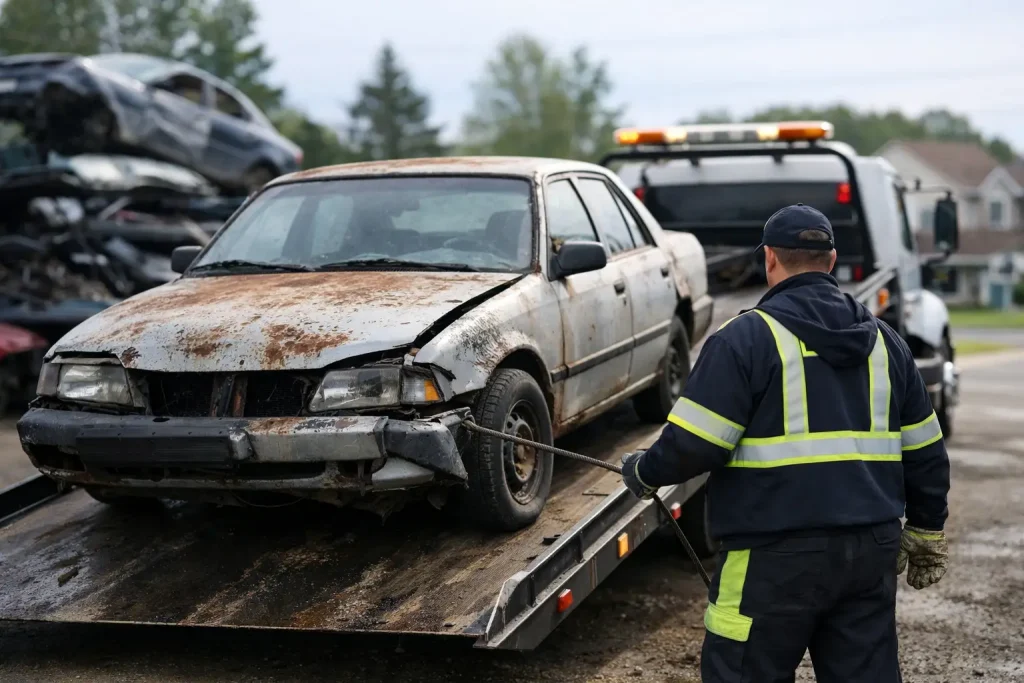
A junk vehicle does not need to be wrecked to become a problem. A car with major mechanical failure, visible damage, flat tires, missing glass, expired insurance, or long-term outdoor storage can all raise concerns. If it is parked where it is easy to see from the street or neighboring properties, that tends to speed things up.
The biggest trigger is often time. A vehicle that sat quietly for a few weeks may not get much attention. The same vehicle sitting for months, collecting debris and looking neglected, is much more likely to lead to a complaint. If you have already received a letter or warning, waiting rarely improves the situation.
That is why fast junk car bylaw violation removal is less about convenience and more about stopping the problem from getting more expensive and more stressful.
The mistake that costs people time
A lot of owners assume they need to figure everything out before calling for removal. They think they need to repair the vehicle enough to move it, renew paperwork, clean it out perfectly, or spend days comparing every possible option. That delay is usually what causes the most trouble.
If the vehicle does not run, has major engine or transmission problems, has rodent damage, or has been sitting too long to be driven safely, trying to make it roadworthy is often throwing time and money at the wrong issue. When a bylaw deadline is in play, the smart move is to focus on removing the vehicle from the property, not reviving it.
There are cases where a vehicle still has practical use and deserves more evaluation. But if it is uninsured, non-operational, heavily damaged, or not worth the repair bill, removal is usually the cleanest solution.
How the removal process should work
When you are dealing with a bylaw notice, you do not need a complicated process. You need a clear answer, a pickup time, and confidence that the vehicle will actually be gone when promised.
A professional local removal service should ask a few basic questions about the vehicle, its condition, and where it is located on the property. They may ask whether it rolls, whether access is tight, and whether you have proof of ownership available. None of that should feel like a runaround. It is simply what allows the pickup to happen without delays.
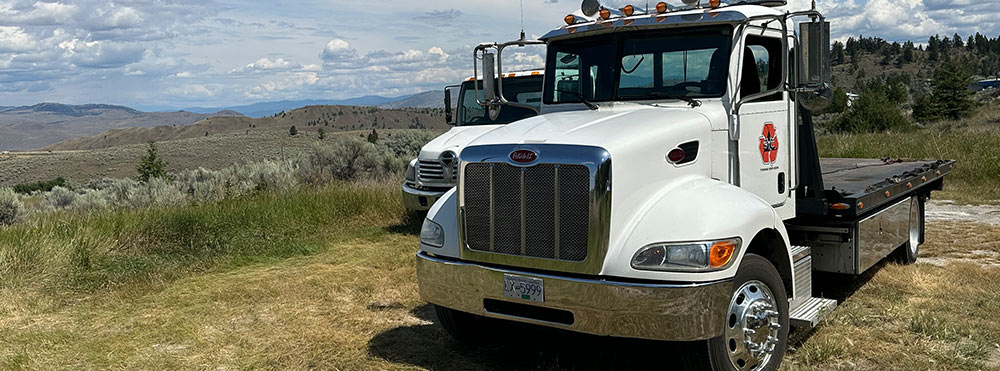
From there, the goal is straightforward – schedule the removal quickly, show up when promised, and haul the vehicle away safely. If you are in Salmon Arm, Vernon, Kelowna, Kamloops, or nearby Interior communities, working with a company that already knows the area can make that process smoother. Local familiarity matters when time is short and access conditions vary from one property to the next.
What to do after you receive a bylaw notice
First, do not ignore it. Even if the wording feels routine, deadlines have a way of approaching faster than expected. Read the notice carefully and confirm what the concern is. Some notices focus on inoperable vehicles, while others are about storage, appearance, or safety.
Next, take a quick look at reality. Ask yourself whether this vehicle is honestly going to be repaired and put back into use soon. If the answer is no, the best move is usually to arrange removal right away.
Then gather the basic information you are likely to need. That usually includes your contact details, the property address, the vehicle description, and ownership paperwork if available. If the car is blocked in, parked on soft ground, or sitting in a narrow side yard, mention that up front. Good communication saves time on pickup day.
Finally, act early enough that you are not trying to solve everything at the last minute. Same-day or rapid-response service can help, but it is always easier to get ahead of the deadline than race it.
Why speed matters more than people think
A junk vehicle issue tends to create stress out of proportion to the actual size of the problem. It sits there every day reminding you that something needs to be dealt with. If neighbors are unhappy or enforcement has started, the pressure only grows.
Quick removal changes that immediately. The property looks cleaner. The risk of additional complaints goes down. You stop wondering whether another notice is coming. For many people, the biggest benefit is not even the extra space. It is the relief of having one less unresolved problem.
That matters for homeowners getting ready to sell, families cleaning up after a breakdown, or rural property owners with multiple projects already on the go. A dead vehicle can become background clutter for months, but once it turns into a bylaw issue, every extra day has a cost.
Not every property situation is the same
This is where some nuance helps. Urban neighborhoods usually bring visibility and complaints faster. Rural properties may have more space, but access can be tougher, and vehicles may be parked farther off the driveway or behind other equipment. Some owners are dealing with a single old sedan. Others have a pickup truck that has not run in years and is sitting where standard towing is not simple.
That does not mean removal is difficult. It means the right service should be prepared for real-world conditions. Tight driveways, uneven ground, weather exposure, and non-running vehicles are common situations, not unusual ones.
The important thing is to be upfront about the condition and location of the vehicle. A dependable removal company would rather know the full picture before arrival than show up and waste your time.
Choosing help for junk car bylaw violation removal
When you need the vehicle gone because of a bylaw problem, the best service is not the one with the most complicated pitch. It is the one that answers the phone, explains the process plainly, and gives you a realistic timeline.
Look for a company that focuses specifically on unwanted vehicle pickup, understands local properties, and treats the job like a time-sensitive issue. Friendly service matters, but so does professionalism. You want people who show up prepared, handle the vehicle safely, and make the process easy for the property owner.
This is exactly why many people choose a local specialist like Scrap Your Car. One call can set the process in motion without weeks of delay, guesswork, or back-and-forth.
When waiting no longer makes sense
Some decisions really can wait. This one usually cannot. If the vehicle is already attracting attention from bylaw officers, neighbors, or both, the longer it sits, the more likely the situation gets harder instead of easier.
You do not need to keep spending money on storage, repairs, or insurance for a vehicle that is no longer serving you. You also do not need to let an old breakdown become a property problem. If the car is done, it is done.
The practical move is to clear the space, remove the stress, and get ahead of the notice while you still can. A junk vehicle does not improve with more sitting, but your property situation improves the moment it is gone.
If that notice is already in your hand, treat it like your cue to act now, not later. A fast pickup can turn a nagging bylaw problem into one less thing to worry about by the end of the day.