
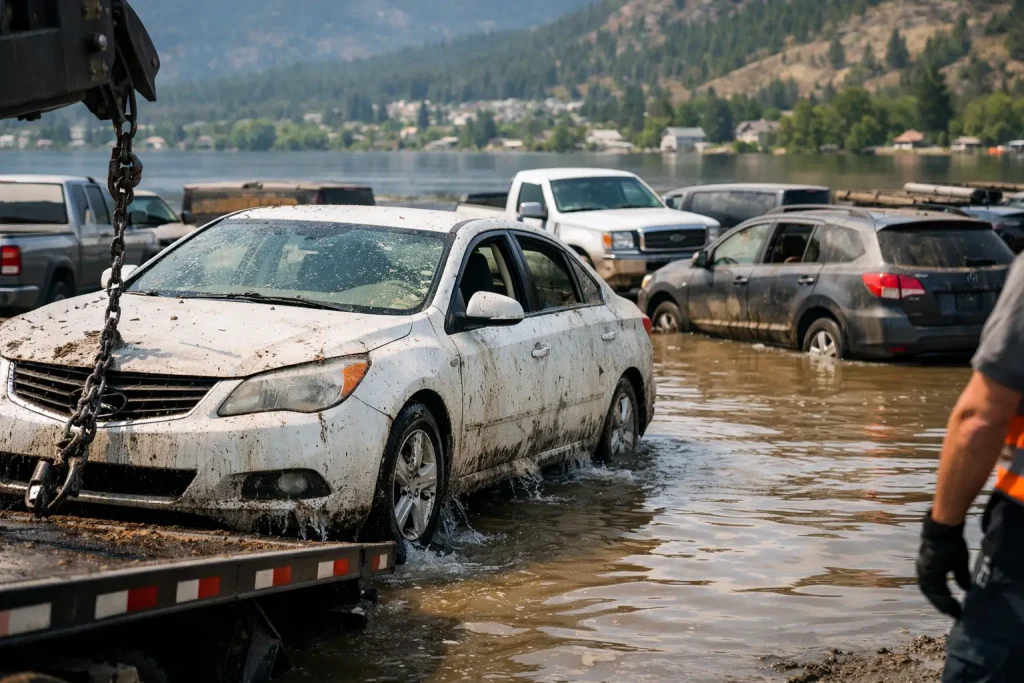
A flooded vehicle can go from an inconvenience to a major property problem fast. Kelowna flood removal for damaged vehicles is often the practical next step when water has entered the cabin, electrical system, or engine area and you are left with a car that will not start, cannot be insured, or is no longer worth repairing.
After heavy rain, rising water, a backed-up drainage area, or a vehicle left sitting in a low spot, it can be tempting to turn the key and hope for the best. That is rarely the right move. Water damage is not always visible from the driveway, and the issues can keep showing up long after the vehicle dries out.
When a Flood-Damaged Vehicle Should Be Removed
A vehicle does not need to be completely submerged to become a serious problem. Water under the carpets, a damp interior, warning lights, a sour smell, or electrical problems after a storm can all point to water intrusion. If the water reached the lower door panels or higher, there may be damage that is expensive and difficult to track down.
For many owners, the decision comes down to cost and certainty. An older car with major water exposure may need extensive diagnosis before anyone can say whether it is safe or dependable again. Repairs can add up quickly, especially when the vehicle already had mechanical problems, rust, or a history of being unreliable.
Removal is often the better choice when the vehicle has been sitting for weeks, does not run, is uninsured, or is becoming an eyesore on the property. It clears the space without asking you to gamble more money on a car that may continue to fail.
Do Not Start It Until You Know What Happened
If your vehicle was exposed to floodwater, resist the urge to start it or repeatedly try to jump it. Water can affect electrical connections and mechanical systems in ways that are not obvious from the outside. Trying to force a start can make a bad situation worse.
Instead, take a few clear photos of the vehicle and the water line if one is visible. Remove personal belongings only if it is safe to do so, and keep any documents related to the vehicle handy. If you have insurance coverage that may apply, report the damage before arranging disposal so you understand your next steps.
There is no single rule for every vehicle. A newer vehicle with limited exposure may be worth a professional inspection. An older vehicle that sat in standing water, already had significant repair needs, or now has electrical trouble may not be worth the uncertainty. A straightforward removal service gives you a clean way to move on when repair no longer makes sense.
Watch for Problems That Keep Getting Worse
Flood damage can create issues that appear days or months later. Moisture trapped beneath carpeting and inside interior spaces can lead to mold, corrosion, and persistent odors. Electrical problems may show up as dead batteries, malfunctioning lights, dashboard warnings, or a vehicle that starts one day and will not start the next.
This is why a quick cleanup does not necessarily mean the vehicle is fine. Drying the visible interior may improve the appearance, but it cannot guarantee the systems behind panels and beneath the floor are dependable. If the car has become a source of stress instead of transportation, leaving it parked in the driveway is not a long-term plan.
Why Prompt Kelowna Flood Removal Helps
An unwanted flood-damaged vehicle takes up more than a parking space. It can block access to a garage, make yard work harder, and leave you worrying about complaints, neighborhood appearance, or liability. For rural properties, it may be sitting far from the road, tucked beside a shed, or parked where it has become difficult to move.
Prompt removal helps restore order after a frustrating event. You do not need to keep looking at a vehicle that you know you will not repair. You also avoid the ongoing hassle of moving it around, trying to keep it dry, or explaining why it has been parked for months.
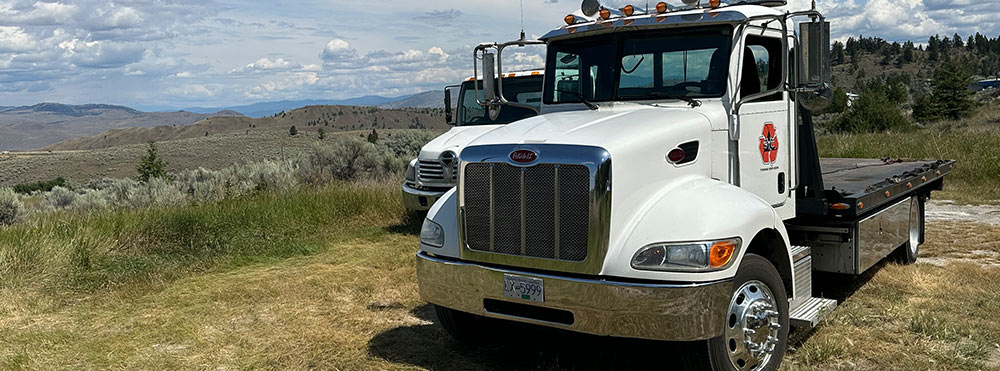
For homeowners in Kelowna and nearby Interior communities, local pickup is especially helpful when the vehicle cannot be driven. A professional removal crew can handle the loading and transport so you are not trying to coordinate a tow yourself or find someone willing to take a badly damaged vehicle.
What to Have Ready for Pickup
The removal process is simple when you have a few details ready before you call. You will generally want to know the vehicle’s year, make, model, general condition, and where it is located on the property. Let the removal company know whether it starts, whether it has been affected by water, and whether access is tight.
It also helps to have proof that you are authorized to dispose of the vehicle. Keep the ownership paperwork available and remove personal items from the glove box, trunk, center console, and under the seats. Check carefully for registration papers, garage remotes, sunglasses, tools, and anything else that may have been left behind.
If the vehicle is behind a gate, in a narrow driveway, or on soft ground after flooding, mention that during the call. Clear communication allows the pickup to be planned properly and helps avoid delays on removal day.
Repair, Store, or Remove? Make the Practical Call
The right choice depends on the vehicle and the extent of the water damage. If it is a newer vehicle, water exposure was minor, and a qualified inspection shows no meaningful damage, repair may be reasonable. But if the vehicle is older, non-running, uninsured, or already needed expensive work before the flood, putting more money into it may not be the best use of your time.
Storage is usually the least helpful option. Flood damage does not improve while a vehicle sits. The interior may continue to smell, moisture can cause further deterioration, and the car still occupies valuable space. Waiting also makes it easier for a temporary problem to become a permanent driveway fixture.
Removal gives you a firm endpoint. Rather than chasing down an uncertain repair or letting the vehicle sit through another season, you can have it hauled away and use the space again.
A Straightforward Solution for a Difficult Situation
Flooded vehicles are frustrating because the damage can feel unclear. You may not know how far the water reached, what will fail next, or whether the vehicle can ever be trusted again. You do not need to become an automotive expert to make a sensible decision.
Scrap Your Car provides local vehicle pickup for unwanted, damaged, and non-running vehicles, including cars affected by water damage. The focus is simple: professional service, clear communication, and getting the problem vehicle off your property without adding another job to your list.
If your vehicle has become more trouble than it is worth, make the practical call. Clearing it out can be one of the easiest ways to put a flood event behind you and get your driveway, yard, or garage space back.