

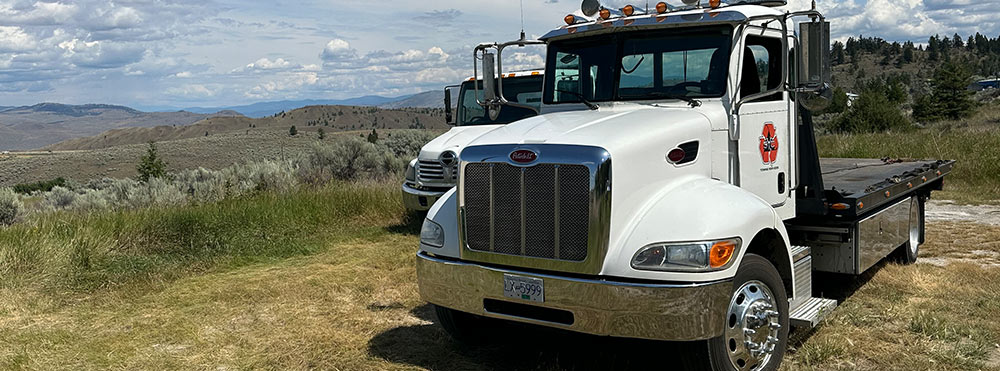
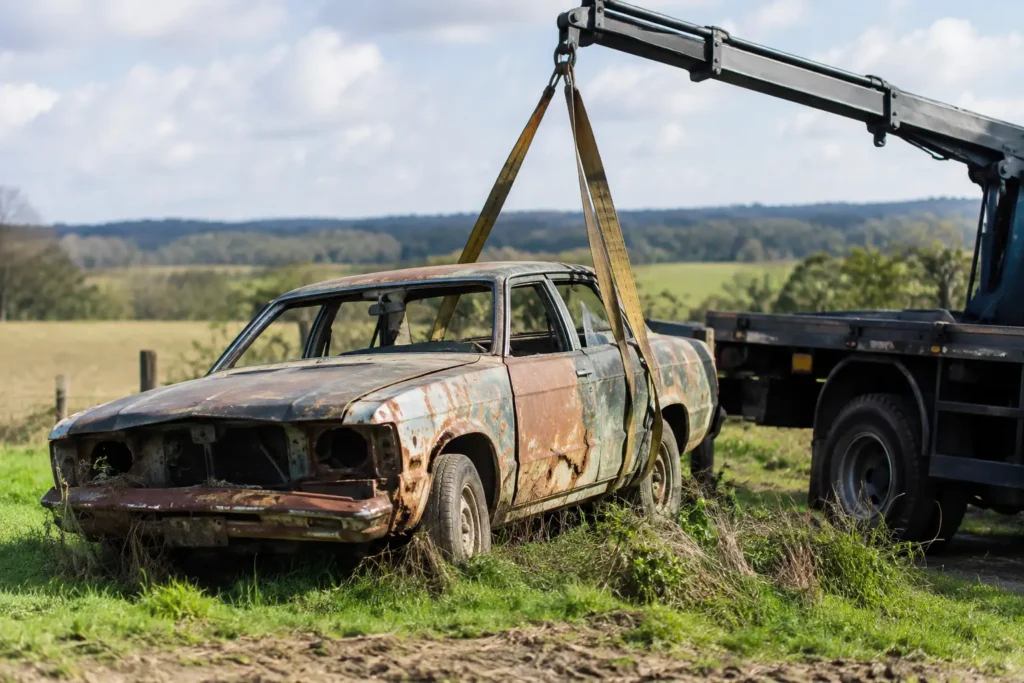
A vehicle can sit quietly at the edge of an acreage for years, then suddenly become the problem everyone notices. Maybe it no longer starts, was damaged beyond practical repair, or was left behind when a property changed hands. Whatever the story, when you need to remove a derelict vehicle from acreage, the goal is simple: clear the space without creating more work, risk, or stress.
For rural property owners, this is not always as easy as calling for a pickup from the end of a paved driveway. The vehicle may be behind a gate, down a rough access road, tucked into a shed, or surrounded by brush. A little preparation helps make removal fast and straightforward.
Why a derelict vehicle should not stay on your property
An old vehicle can look harmless when it is parked out of sight, but it often creates more trouble the longer it remains. It takes up usable space, attracts rodents and nesting animals, and may become a safety concern for children or visitors. If it has broken glass, loose panels, leaking fluids, or a weakened body, it is not something you want people climbing around.
There is also the practical issue of property appearance. A vehicle that has been sitting for years can make it harder to clean up a yard, prepare for a sale, start a building project, or simply enjoy your acreage. Some areas also have local rules regarding abandoned or unlicensed vehicles. Waiting until a complaint or deadline arrives only adds pressure to a job that can often be handled quickly.
The right time to arrange removal is usually before the vehicle becomes buried by snow, overgrown grass, or another season of neglect.
First, make sure you have the right to remove it
Before arranging pickup, confirm that the vehicle belongs to you or that you have clear permission from the legal owner to have it removed. This matters most with inherited property, tenant situations, old farm purchases, or vehicles left by a previous owner.
If you still have registration or ownership documents, keep them available. Even when paperwork is incomplete, a removal professional can explain what information is needed before scheduling the job. A quick phone call is better than assuming the vehicle can be taken without questions.
If the vehicle is on a neighboring property line, shared access route, or rented land, settle that detail first. Clear permission prevents an easy cleanup from turning into an avoidable dispute.
What to check before a pickup truck arrives
A derelict vehicle does not need to run to be removed. It does, however, need to be accessible enough for safe loading and transport. Before you call, take a realistic look at where it sits and how someone would reach it.
Start with the driveway or lane. Is there a locked gate? Low-hanging branches? A steep grade, soft ground, or a narrow turn near the vehicle? These details are useful to mention when booking. Rural access is common across the Interior, but knowing what is ahead allows the removal crew to come prepared and avoids wasted time.
Clear away loose items that are stored in or around the vehicle. Check the glove box, console, trunk, under seats, and storage compartments for personal paperwork, tools, family items, or anything you want to keep. Old vehicles often become storage spots, and it is much easier to look carefully while the vehicle is still on your property.
If possible, create a clear path from the vehicle to the road or driveway. Move lawn furniture, equipment, firewood, trailers, or other obstacles that may block access. You do not need to transform your acreage into a parking lot. Just make the route as open and safe as reasonably possible.
When access is difficult, be upfront
The most common concern rural owners have is, “Can you get to it?” In many cases, the answer is yes, but it depends on the location and condition of the vehicle.
A vehicle parked beside a barn or at the end of a gravel lane is very different from one that has sunk into soft ground, sits on a steep slope, or is boxed in by trees. Do not guess or minimize the situation when you call. Describe the access honestly, including whether the vehicle rolls, whether the ground is firm, and whether there are gates or tight turns.
Photos can also help establish what is needed before arrival, if requested. The point is not to make the job complicated. It is to prevent surprises and make sure the removal is handled safely the first time.
How to remove a derelict vehicle from acreage without the hassle
Trying to move an old non-running vehicle yourself can create a bigger problem than the vehicle itself. Renting equipment, coordinating a tow, finding transportation, and navigating narrow rural access may cost time and money without guaranteeing the job gets finished.
A professional removal service simplifies the process. You make one call, provide the vehicle details and property access information, arrange a pickup time, and let the crew handle the loading and haul-away. This is especially helpful when the vehicle has major mechanical damage, rodent damage, electrical problems, a blown engine, or has simply been sitting too long to trust.
For property owners in Salmon Arm, Vernon, Kelowna, Kamloops, and surrounding Interior communities, local knowledge matters. A company familiar with rural roads, long driveways, and acreage access can give you a more realistic expectation of what the pickup will require.
The fastest option is often to call as soon as you decide the vehicle is not worth keeping. Same-day availability may be possible depending on location and scheduling, but it is wise to ask rather than wait until you need the space immediately.
Questions to ask when you call for removal
You do not need automotive expertise to arrange a pickup. A few basic details will help the removal company plan the job properly: the vehicle’s year, make, and model if known; whether it runs or rolls; its general condition; and where it is located on the property.
Also explain how to access the acreage. Mention gates, dogs, narrow bridges, unplowed roads, mud, steep hills, or anything else that could affect arrival. If the vehicle is far from the road, estimate the distance as best you can.
Ask what documentation is needed and whether you need to be present for pickup. If you have a specific timing concern, such as a property inspection, cleanup project, tenant move-out, or upcoming sale, say so right away. Clear communication gives the service a chance to work with your schedule.
Do not let a small cleanup turn into a bigger project
There is a tendency to put off an old vehicle because it has already been there so long. But every month it stays is another month of lost space and another task hanging over the property. Once you decide it is time to clear it out, there is no benefit in making the process harder than it needs to be.
Scrap Your Car provides straightforward local vehicle removal for unwanted, damaged, uninsured, and non-running vehicles. Whether the vehicle is near the house or farther out on acreage, a quick call can establish what is needed and get the process moving.
A cleared spot on your property can become parking, storage, garden space, a work area, or simply a cleaner view. Make the call, explain the access, gather your paperwork, and let a professional take the derelict vehicle off your to-do list.