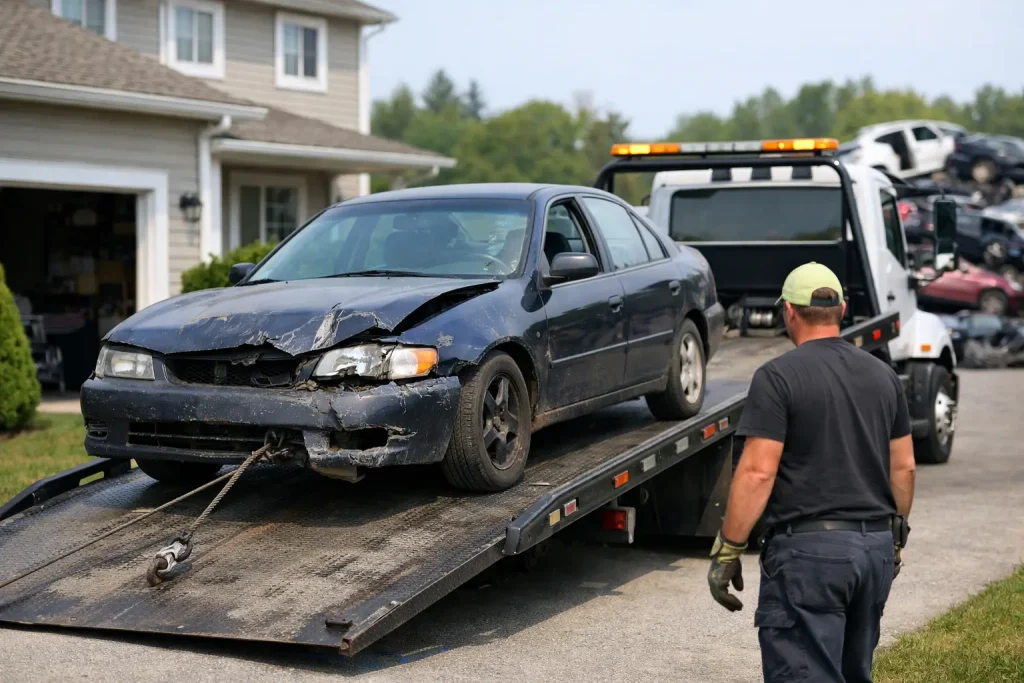
That vehicle sitting at the edge of the driveway does more than take up a parking spot. It can become a daily reminder of an expensive repair, an insurance problem, a safety concern, or a job you keep putting off. Residential junk car towing gives homeowners a direct way to clear it out without arranging repairs, finding a buyer, or trying to move a vehicle that no longer runs.
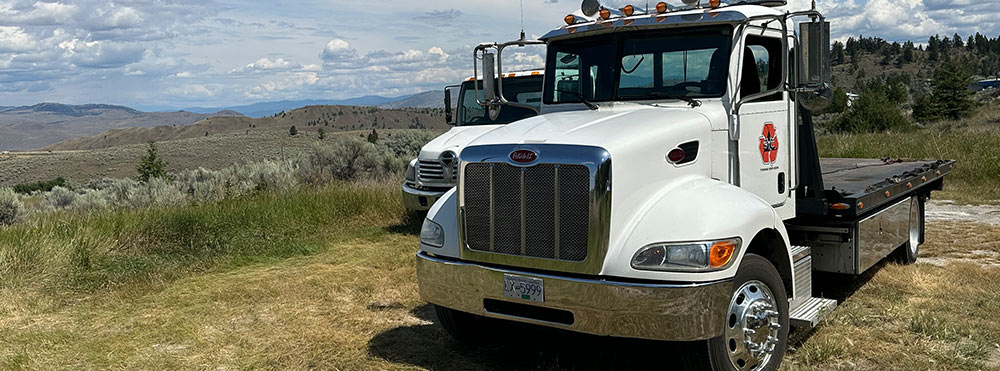
For homeowners across the Shuswap, Okanagan, Kamloops, and surrounding Interior communities, the right towing service turns an ongoing property problem into a simple phone call. Whether the vehicle has a failed transmission, a blown head gasket, electrical trouble, rodent damage, collision damage, or has simply sat too long, professional pickup gets it off your property safely and efficiently.
When Residential Junk Car Towing Makes Sense
There is a point when keeping an old vehicle stops being practical. Maybe it was parked temporarily after breaking down. Then weeks turned into months, and now the vehicle is collecting debris, blocking access, or creating frustration every time you come home.
Residential junk car towing is often the sensible choice when repair costs are higher than the vehicle is worth to you, the vehicle is uninsured and cannot be driven, or it has become difficult to move around your property. It is also a practical answer for families dealing with a relative’s estate, homeowners preparing to sell, landlords cleaning up a property, and rural owners with a non-running vehicle tucked behind a shop or barn.
The decision does not always come down to whether a vehicle could be repaired. It comes down to whether repairing it makes sense for your budget, time, and needs. A car can be technically repairable and still not be worth another round of parts, appointments, and unexpected bills.
The Problems an Unwanted Vehicle Can Create
An old vehicle can quietly create more trouble the longer it stays parked. Even if it is out of sight, it can limit how you use your driveway, garage, yard, or work area. It may also become harder to remove as time passes, especially if it sinks into soft ground, gets buried by snow, or is boxed in by other vehicles and equipment.
For many homeowners, the bigger issue is peace of mind. An uninsured or non-operational vehicle can feel like unfinished business. You may worry about kids playing near it, neighbors complaining, local property rules, or the vehicle becoming an even larger headache after another winter outside.
Fast removal is not about rushing you into a decision. It is about giving you a clean, practical option once you have decided the vehicle is no longer worth keeping. Clearing the space means one less thing on your to-do list and a property that is easier to use again.
What a Professional Pickup Should Look Like
A dependable local towing service should make the process clear from the first call. You should be able to explain what you have, where it is located, and whether it runs or rolls. From there, the company can assess access and arrange a pickup time that works for your situation.
Good communication matters, particularly for residential properties. A vehicle in a wide-open driveway is different from one behind a gate, beside a garage, on a gravel lane, or in a rural yard with limited turnaround space. Sharing those details early helps the towing operator arrive prepared and reduces delays on pickup day.
Professional service also means treating your property with respect. The goal is not simply to take away a vehicle. It is to do the job safely, avoid unnecessary disruption, and leave you with your space back. Scrap Your Car focuses on that straightforward, local approach: one call, clear communication, and prompt vehicle removal when you need it.
How to Prepare for a Residential Tow
You do not need to spend hours getting a non-running vehicle ready, but a few simple steps can make pickup easier. First, remove personal belongings from the cabin, glove box, trunk, and storage areas. Check carefully for paperwork, keys, garage remotes, personal documents, work tools, and anything that may have been left behind years ago.
Next, make sure the towing crew can reach the vehicle. Move any vehicles, trailers, yard equipment, or other obstacles that could block access if you can do so safely. If the vehicle is behind a locked gate, make arrangements to open it before the scheduled arrival time.
You should also have the ownership documents or any information requested by the towing company ready. Requirements can vary based on the vehicle’s condition and ownership situation, so it is best to ask what is needed during the call rather than guessing.
Finally, be honest about the vehicle’s condition. Let the dispatcher know if it does not start, has been sitting for years, is in a tight spot, or is on a steep or unpaved area. These details are not a problem. They simply help the crew plan the safest and most efficient way to load it.
Same-Day Service Depends on the Details
Same-day or rapid-response towing can be a major relief when a vehicle is blocking a driveway, taking up a needed parking space, or causing immediate concern. Still, timing depends on where you are located, the time of day, current towing demand, road conditions, and how accessible the vehicle is.
That is especially true across Interior communities, where distance and weather can affect scheduling. A homeowner in Salmon Arm, Vernon, Kelowna, or Kamloops may have different service timing than someone on a remote rural road. The best approach is to call as soon as you know you want the vehicle gone, provide accurate details, and ask about the earliest available pickup.
A local operator is often better positioned to understand these realities. They know the roads, the seasonal conditions, and the common residential access issues that come with driveways, acreage properties, and older neighborhoods. That local knowledge can make the process feel far less complicated.
Why Waiting Usually Makes the Job Harder
Putting off vehicle removal is understandable. Homeowners are busy, repair decisions can be frustrating, and an old car may not feel urgent until it causes a problem. But waiting rarely makes the situation easier.
Over time, vehicles deteriorate. Tires may lose air, windows and seals may fail, and the vehicle can become more difficult to move. Snow, mud, vegetation, and limited access can add another layer of difficulty. If you already know the vehicle is not returning to the road, arranging towing before those issues build up is usually the simpler route.
There is also a practical benefit to acting before you need the space. Maybe you want to park another vehicle under cover, set up a workshop area, make room for visitors, or prepare the property for a move. Removing the unwanted vehicle early lets you make those plans on your own schedule instead of reacting to a last-minute problem.
Choose a Local Service That Answers the Phone
When you need a junk vehicle removed from home, convenience is not a luxury. You want a real person who can answer basic questions, explain the process plainly, and give you a realistic idea of timing. You should not have to sort through vague online forms or wait days to find out whether a company can handle your location.
Look for a service that asks the right questions: where the vehicle is, whether it can be accessed easily, what condition it is in, and when you need it removed. Those questions show that the company is planning for a safe pickup rather than making promises without the details.
The right residential towing service should leave you feeling relieved, not pressured. Once the unwanted vehicle is gone, your driveway and your attention are yours again – and that is often the best reason to make the call today.