
That dead vehicle sitting in the driveway usually starts as a small problem. Then it turns into lost space, neighbor complaints, one more thing to deal with, and a constant reminder that the car is not coming back to life. If you have been putting it off, this scrap car pickup process explained article will show you what actually happens, what you need to do, and what to expect when you call for removal.
For most people, the biggest question is not whether the vehicle needs to go. It is what kind of hassle is involved. The good news is that pickup is usually much simpler than people think, especially when the vehicle does not run, has been parked for a long time, or is stuck in a hard-to-reach spot on private property.
How the scrap car pickup process explained really works
The process usually starts with a phone call. That matters more than people realize because a quick conversation clears up the details that can delay a pickup later. The removal company will normally ask for the vehicle make, model, year, condition, and exact location. They may also ask whether it rolls, whether the keys are available, and whether the vehicle is parked in a garage, alley, field, or tight driveway.
This first step is about logistics, not paperwork for the sake of paperwork. A car that rolls freely is easier to load than one with locked brakes. A vehicle on flat pavement is different from one sunk into soft ground. If the truck shows up with the wrong equipment or not enough access, the pickup takes longer. A short, clear call helps avoid that.
Once the basic information is confirmed, you are usually given a pickup window. In many cases, removal can happen the same day or very quickly depending on schedule, distance, and how accessible the vehicle is. In places where people often have old trucks, farm vehicles, or weather-damaged cars sitting on rural property, timing can also depend on road and driveway conditions.
What you should do before the truck arrives
Most scrap vehicle pickups are straightforward, but a little preparation saves time. First, make sure you have removed personal belongings. People often forget paperwork in the glove box, tools in the trunk, garage door openers, sunglasses, charging cables, and license plates. Once the vehicle is loaded and gone, you do not want to realize your documents were still inside.
You should also be ready to show proof that the vehicle belongs to you or that you have the authority to have it removed. The exact requirement can vary depending on the situation. If you still have the title or registration, that helps. If you do not, it does not always mean pickup is impossible, but it is something to mention during the call so you know what is needed before dispatch.
If the vehicle is blocked in by other cars, trailers, or equipment, clear as much space as you can. This is especially helpful in tight neighborhoods, steep driveways, or rural yards where maneuvering room is limited. The easier the access, the faster the pickup.
It also helps to be honest about the condition of the vehicle. If it has been sitting for years, has missing windows, severe damage, or rodent issues, say so upfront. A professional pickup company has seen it all, but surprises slow things down.
What happens on pickup day
When the driver arrives, the first step is usually a quick confirmation of the vehicle and location. They will check that it matches the information given during the call and assess the safest way to load it. This is where experience matters. A non-running vehicle is one thing. A vehicle jammed behind a shed, half buried in snow, or sitting on uneven ground is another.
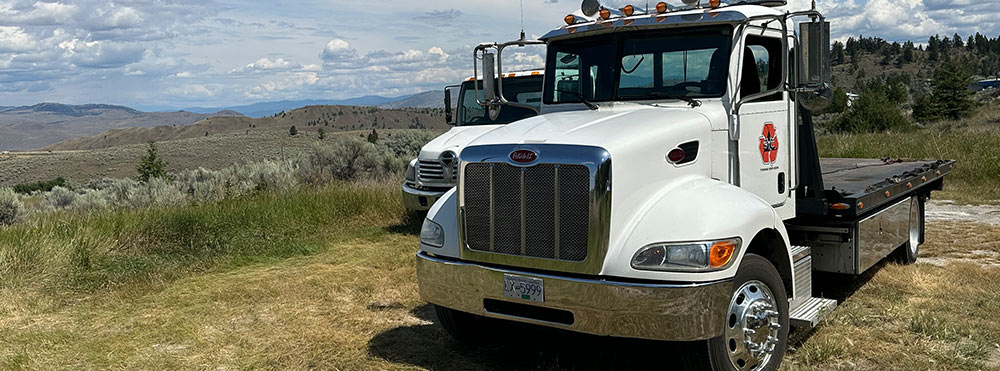
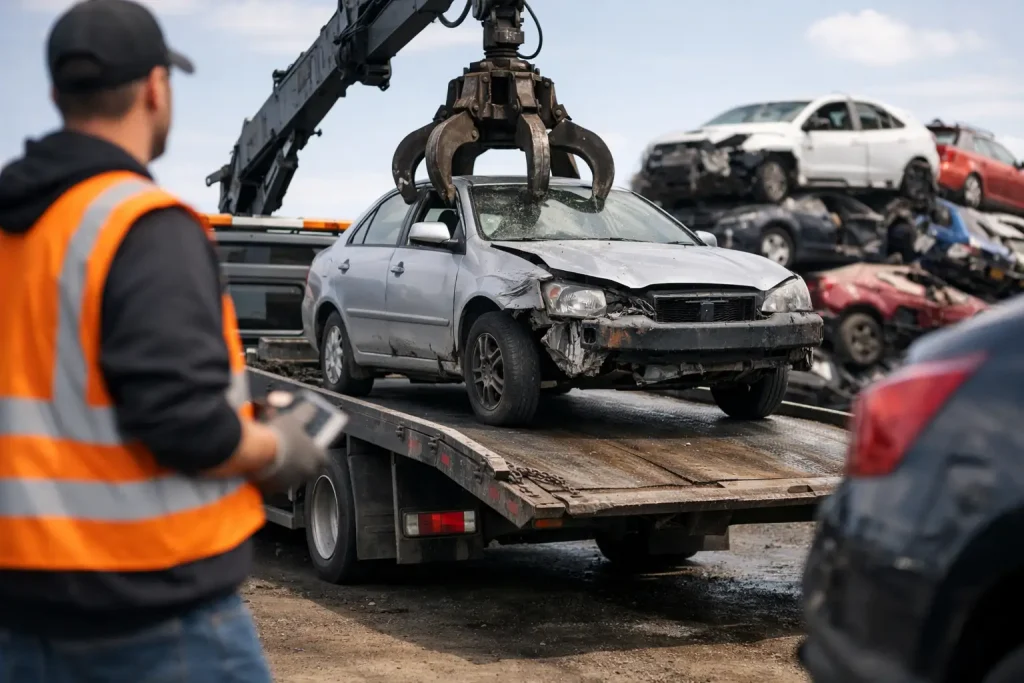
The driver will typically handle the loading process from there. Depending on the condition of the vehicle, they may winch it onto the truck or use another safe loading method. If the car rolls, the process is faster. If it does not, it may take a little longer, but that is normal.
For the vehicle owner, pickup day is usually more about access and confirmation than physical work. You are not expected to figure out how to move a dead vehicle yourself. That is the whole point of calling professionals.
In residential areas, the driver will also try to minimize disruption. That means working carefully around fences, driveways, other parked vehicles, and landscaping. On rural properties, it may mean planning around mud, gravel, or limited turning space. The exact approach depends on the property.
Paperwork, ownership, and common concerns
One reason people delay removal is that they assume the paperwork will be a mess. Sometimes it is simple. Sometimes there are a few extra steps. It depends on whether you still have the vehicle documents, whether the car has been off the road for years, and whether there are any ownership questions that need to be cleared up.
If you have registration or title documents, keep them ready. If you do not, ask what can be accepted before the pickup is booked. A good local company will tell you plainly what is needed and what is not.
Another common concern is insurance. Many unwanted vehicles have already been uninsured for months or years. That alone does not usually stop removal from private property. What matters more is confirming lawful ownership and safe access.
People also worry about whether a badly damaged car can still be picked up. In most cases, yes. Vehicles with blown engines, transmission failure, collision damage, electrical problems, flat tires, or long-term storage issues are exactly the kinds of vehicles these services deal with every day.
How long does the process take?
The actual loading can be surprisingly quick. If the vehicle is accessible and the paperwork is ready, pickup may take only a short visit. The longer part is often scheduling and making sure the vehicle can be reached without obstacles.
There are a few things that can slow the process down. No keys can add time, though it is often manageable. Tight access, soft ground, steep driveways, snow, or vehicles boxed in by other equipment may also affect timing. None of these are deal breakers, but they are worth mentioning early.
If you are in a place like Salmon Arm, Vernon, Kelowna, or a smaller surrounding community where travel time between properties can be significant, same-day service may depend on route availability. That is why calling sooner usually gives you the best chance of fast pickup.
Why local pickup feels easier
There is a big difference between calling a generic dispatch line and talking to a local crew that understands the area. In the Interior, properties are not all the same. Some have narrow lake-area roads, some have long rural driveways, and some have vehicles parked in places that are tough to access after a season of sitting.
A local operator is more likely to ask the right questions upfront and arrive prepared. That saves time and reduces the back-and-forth that people hate. It also gives you a clearer idea of what is realistic. If the vehicle is buried behind snowbanks or parked deep in a muddy yard, a straight answer is better than a vague promise.
That practical, no-nonsense approach is why many people choose a company like Scrap Your Car when they are done waiting and just want the vehicle gone.
The scrap car pickup process explained without the stress
At its core, the process is simple. You call, describe the vehicle, confirm ownership, prepare the area, and let the pickup team handle the removal. The details can vary based on condition and access, but the overall goal stays the same – get the unwanted vehicle off your property quickly and safely.
What stops most people is not the process itself. It is the assumption that it will be complicated, time-consuming, or full of hidden issues. Usually, it is the opposite. Once the call is made, the problem starts getting smaller fast.
If you have a vehicle that has become more burden than transportation, the best next step is often the simplest one. Make the call, answer a few questions honestly, and let the professionals take it from there. A cleared driveway, extra space, and one less headache can feel a lot better than putting it off for another season.