
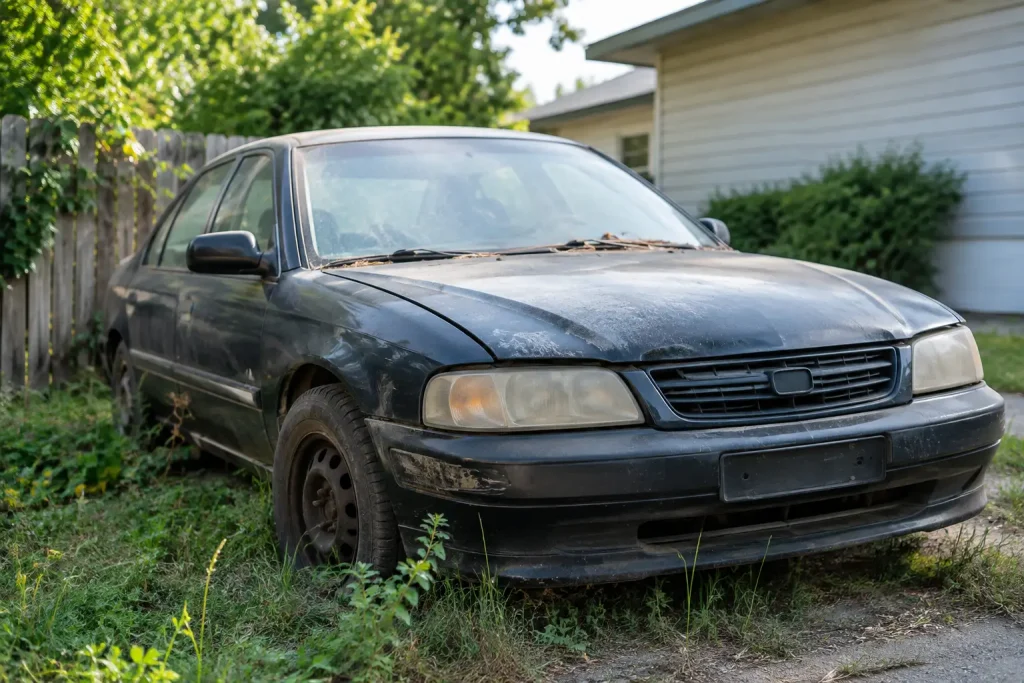
That old vehicle in the driveway can become easy to ignore. It sits behind the garage, under a cover, or at the edge of a rural property while you tell yourself you will deal with it later. But the signs your car should be removed are often clear long before the situation becomes a bigger headache.
An unwanted vehicle takes up more than parking space. It can create safety concerns, attract complaints, add stress, and leave you wondering whether another repair bill is worth it. If your vehicle is no longer serving a real purpose, removal may be the simplest way to move on.
7 Signs Your Car Should Be Removed
1. It has not run in months or years
A vehicle that has been sitting for a long time rarely improves with age. Fluids break down, batteries lose their charge, seals can dry out, and small mechanical problems can turn into major ones. Even if you once planned to get it running again, a long period of sitting can make that plan far more expensive than expected.
Ask yourself one practical question: when was the last time you genuinely needed or used this vehicle? If the answer is a year ago, or you cannot remember, it may be time to stop saving a space for it. A non-running car is not always a restoration project. Sometimes it is simply an unwanted vehicle waiting to be dealt with.
2. Repairs cost more than the vehicle is worth to you
Every vehicle needs maintenance, but there is a difference between routine work and an ongoing cycle of expensive problems. A bad transmission, serious engine trouble, electrical failures, or major body damage can quickly make repair hard to justify.
The decision is not always about the vehicle’s market value alone. It also comes down to how much confidence you have in it afterward. If one major repair is likely to be followed by another, putting more money into the car may only delay the same decision. Removing it can be a practical choice, not a defeat.
3. It is uninsured and cannot be driven legally
An uninsured vehicle parked on private property may seem harmless, especially if it is not being driven. But it can still become a source of worry. You cannot use it when you need it, moving it can be difficult, and leaving it exposed to weather or damage can create more problems.
If you no longer plan to insure, register, or repair the vehicle, keeping it may not make sense. This is especially true when the car is blocking access to a garage, driveway, shed, or usable parking area. A quick removal replaces a lingering problem with a clear, usable space.
4. It has become a safety concern
A damaged or deteriorating vehicle can be more than an eyesore. Sharp damaged metal, broken glass, leaking fluids, weak doors, and unstable body panels can pose risks around a home or acreage. Children, pets, visitors, and curious neighbors do not always recognize the hazards around a vehicle that has been sitting unattended.
There is also the issue of fire and environmental risk. A vehicle with old wiring, fluid leaks, or damage from weather can become less predictable over time. You do not need to wait for an accident or a complaint to act. If you would rather not have anyone near the vehicle, that is a strong sign it should go.
5. Rodents or weather have caused serious damage
Vehicles parked outdoors can become shelter for mice and other pests. Chewed wiring, nests, damaged insulation, and unpleasant odors can make a car difficult and costly to restore. In Interior communities, snow, sun, moisture, and seasonal temperature swings can also speed up rust, deterioration, and interior damage.
You may be able to fix isolated damage. But when a vehicle has been exposed for years, the full extent of the problem is not always obvious. What starts as a simple no-start issue can turn out to involve several systems. If the condition keeps getting worse while the car sits, removal is often the more sensible option.
6. It is causing property clutter or access problems
Your driveway and yard should work for your household, not around an old vehicle. Maybe the car is taking the spot needed for a current vehicle. Maybe it is preventing you from organizing a garage, finishing a yard project, or making room for visitors. On rural properties, it may be in the way of equipment access or regular maintenance.
This is one of the most common signs your car should be removed: it has become part of the clutter rather than part of your transportation plan. The moment you start planning around where it is parked, it is worth considering how much easier the property would be without it.
7. You are concerned about a bylaw complaint
Most people do not want a dispute with neighbors or a notice from their local government over a vehicle that is no longer usable. Rules vary by community and property type, so it depends on where you live and how the vehicle is stored. Still, an abandoned-looking vehicle visible from the road can draw unwanted attention.
Rather than waiting until the issue becomes urgent, deal with the vehicle on your own timeline. This is particularly helpful if you are cleaning up a property before selling, welcoming tenants, preparing for a renovation, or simply trying to keep your home looking cared for.
When Keeping It Still Makes Sense
Removal is not the answer for every older vehicle. If it has real sentimental value, a realistic repair plan, secure covered storage, and a clear purpose, keeping it may be worthwhile. The key word is realistic. A project vehicle needs time, budget, space, and a plan that is more specific than someday.
Be honest about whether you are preserving an enjoyable project or postponing an unpleasant task. If the vehicle has sat untouched through several seasons, needs more repair than you can reasonably take on, and is costing you space or peace of mind, the trade-off has likely changed.
What to Do Before Arranging Removal
Take a few minutes to remove personal belongings from the glove box, console, trunk, and under the seats. Look for paperwork, garage remotes, old mail, sunglasses, tools, and anything else that may have been left behind. It is much easier to check carefully before the vehicle is picked up.
Have the basic vehicle details ready when you call, including its location on the property, whether it rolls, and any access limitations. A vehicle in an open driveway is different from one behind a gate or parked on soft ground. Clear information helps the removal process go smoothly and avoids surprises on pickup day.
You should also make sure there is enough room for safe access. Move other vehicles if necessary, keep pets indoors, and let anyone sharing the property know that pickup is scheduled. These small steps can make a fast service even faster.
Clear the Space Without Adding More Work
There is no prize for letting an unwanted vehicle take up space for another year. Once it is clear that the car is unsafe, too costly to repair, uninsured, non-running, or simply in the way, handling it promptly is usually the easiest path forward.
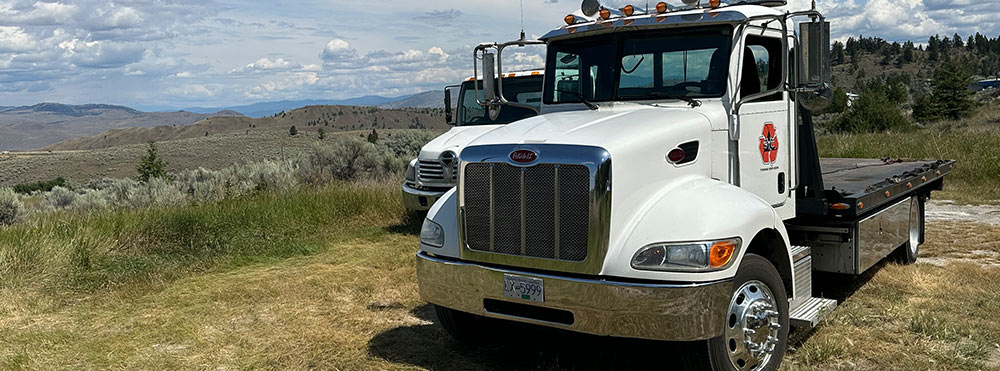
Scrap Your Car helps homeowners and property owners across the Shuswap, Okanagan, Kamloops, and surrounding Interior communities remove unwanted vehicles without the usual runaround. One call can turn a stalled problem into open space.
If that vehicle has been on your to-do list for too long, choose the relief of having the space back and the problem off your property.