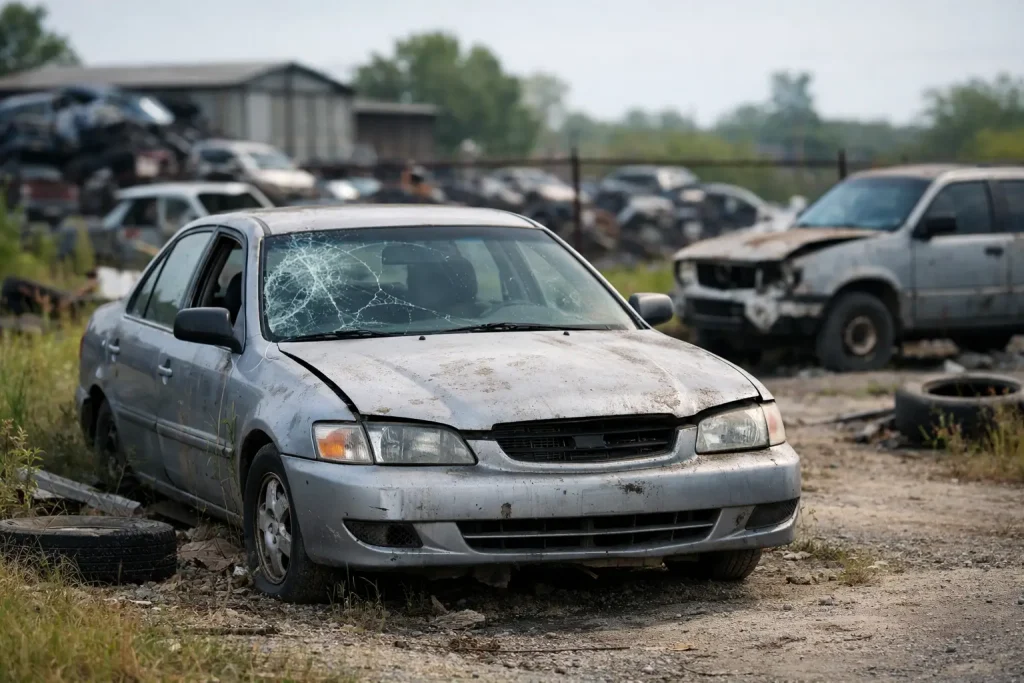
A vehicle that has been sitting behind the garage for a few months can quietly become a much bigger problem than an eyesore. The top risks of abandoned vehicles include fire hazards, fluid leaks, injuries, property damage, insurance headaches, and possible bylaw action. What starts as a plan to deal with it later can turn into an urgent issue after one hot summer, heavy snowfall, or visit from a bylaw officer.
For homeowners and rural property owners, an unwanted vehicle often stays put because it will not start, needs expensive repairs, has no insurance, or simply is not worth the trouble anymore. The practical answer is usually to have it removed before it creates a new problem.
Top Risks of Abandoned Vehicles: Safety Comes First
An unused vehicle may look harmless, especially if it is parked off the road. But vehicles are heavy, complex machines with aging electrical systems, stored fluids, moving components, and sharp or damaged surfaces. As they deteriorate, the risk changes.
Fire risk can increase over time
A parked vehicle is not automatically a fire hazard, but an aging or damaged one deserves attention. Electrical issues, corrosion, old wiring, leaking fluids, and debris collecting around the vehicle can all create concerns. Dry grass, leaves, and brush make the situation more serious during warm, dry conditions common across the Interior.
A vehicle that has been involved in a collision or has known mechanical damage should not be treated like ordinary storage. If it is parked close to a home, shed, fence, or wooded area, moving it off the property may be the safer decision.
Leaks can affect your driveway, soil, and water
Old vehicles can leak oil, coolant, brake fluid, fuel, and other automotive fluids as seals, hoses, and fittings break down. A stain on a driveway may seem minor, but leaks can spread into gravel, soil, drainage areas, and nearby ditches after rain or snowmelt.
The risk depends on the vehicle’s condition and where it is sitting. A car on an intact paved driveway is different from one resting on bare ground near a garden, well, creek, or drainage route. Still, waiting rarely improves the situation. The longer a vehicle sits, the more difficult a leak can be to spot and address.
Children, visitors, and animals can get hurt
An abandoned vehicle can attract attention, particularly on a family property. Kids may see it as a place to play. Visitors may lean on damaged panels, try doors, or climb around it without realizing how unstable or unsafe it is.
Broken glass, rusted metal, loose trim, damaged seats, and jammed doors can cause injuries. Animals may also shelter under or inside an unused vehicle, creating an unpleasant surprise when someone checks on it. If the vehicle is on a slope or has been sitting on soft ground, it may shift unexpectedly as conditions change.
Keeping people away from the vehicle is a short-term precaution. Removing it is the long-term fix.
Liability and Bylaw Problems Can Arrive Quickly
Many owners hold onto an unwanted vehicle because they do not want to make a rushed decision. That is understandable. However, if the vehicle is visible from the street, accessible to others, leaking, or creating a hazard, it can draw attention from neighbors, property managers, or local authorities.
Property standards may apply
Rules vary by community, zoning, and property type. Some areas have standards around unsightly premises, vehicle storage, inoperative vehicles, and environmental concerns. A rural property may have more space than a city lot, but that does not always mean a damaged or non-running vehicle can remain indefinitely.
If you receive a complaint or notice, you may be working under a deadline rather than on your own schedule. That can turn a simple removal job into unnecessary stress. Prompt removal gives you more control over timing and avoids the scramble of trying to solve the problem after it has escalated.
Insurance may not cover every situation
A vehicle without active insurance can still create trouble if it rolls, causes damage, or is involved in an incident on your property. Your home insurance situation may depend on the policy, the condition of the vehicle, and what happened. It is not safe to assume an old vehicle is irrelevant just because it is not being driven.
There is also the question of access. If someone is injured around an abandoned vehicle, you may face difficult questions about why the hazard was left available on the property. Securing the area can help in the short term, but it does not remove the underlying concern.
An Abandoned Vehicle Can Damage More Than Curb Appeal
Most people do not worry about curb appeal until they are preparing to sell, renting out a property, or dealing with unhappy neighbors. Yet a vehicle that has been sitting for years can make an otherwise well-kept home look neglected. It can also block access to a garage, driveway, outbuilding, or parking area that your household could actually use.
On acreage, the vehicle may be easy to ignore because it is out of sight. But it still takes up usable space and can complicate mowing, snow clearing, landscaping, or access for contractors. On a smaller lot, the impact is immediate: less parking, more clutter, and a constant reminder of a job that has not been handled.
There is a financial side as well. Vehicles generally deteriorate when left outside. Moisture, sun exposure, animal damage, corrosion, and mechanical failure do not pause while you decide what to do. If you are keeping it because you hope to repair it someday, be honest about the plan. If the repair cost is beyond reason or the vehicle has sat untouched for a long time, removal is often the more sensible choice.
Pests and Weather Make Sitting Vehicles Worse
A vehicle parked for long periods gives rodents and insects a sheltered place to nest. They can damage upholstery, wiring, insulation, and nearby stored belongings. This can turn a contained vehicle issue into a pest issue around the garage, barn, or home.
Weather adds another layer. Rain and snow can collect in damaged areas. Freezing and thawing can worsen cracks and corrosion. Strong winds can move loose debris around the vehicle, while heavy snow can make access difficult when you finally decide it needs to go.
The longer an unwanted vehicle remains exposed, the less predictable its condition becomes. A car that was easy to move last fall may be much harder to deal with after another winter outdoors.
When Should You Arrange Removal?
There is no need to wait until the vehicle becomes a major problem. It is usually time to arrange removal if it is non-running, badly damaged, uninsured, taking up needed space, leaking, unsafe to be around, or no longer realistic to repair.
You should act sooner if the vehicle is near your home, close to dry brush, parked on a slope, accessible to children, or causing neighbor concerns. The same is true if you have received a bylaw notice or are planning a move, renovation, or property sale.
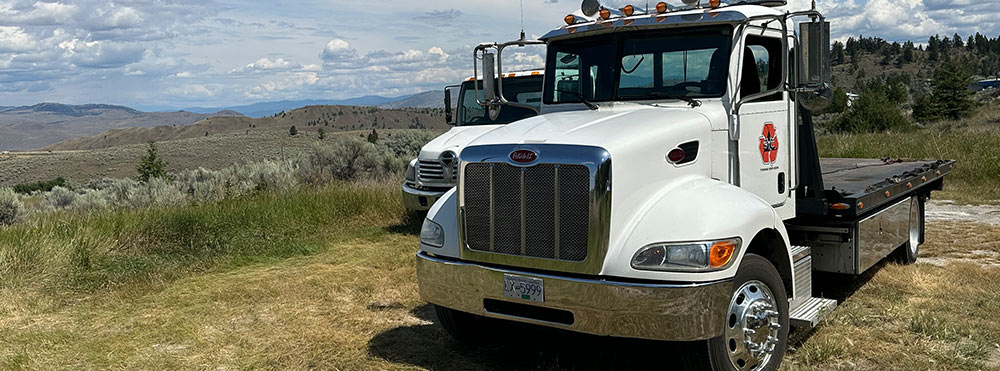
Before you call, make sure you can identify the vehicle and confirm where it is located on the property. Clear a path if possible, especially if gates, narrow driveways, snowbanks, or other obstacles affect access. A professional removal service can explain what information is needed and help you choose a pickup time that works for you.
For owners in Salmon Arm, Vernon, Kelowna, Kamloops, and surrounding Interior communities, Scrap Your Car offers a straightforward way to clear an unwanted vehicle without adding another repair project to your list.
An old vehicle does not become less of a problem by sitting another season. Clearing it now can protect your property, reduce stress, and give you back the space you intended to use.