
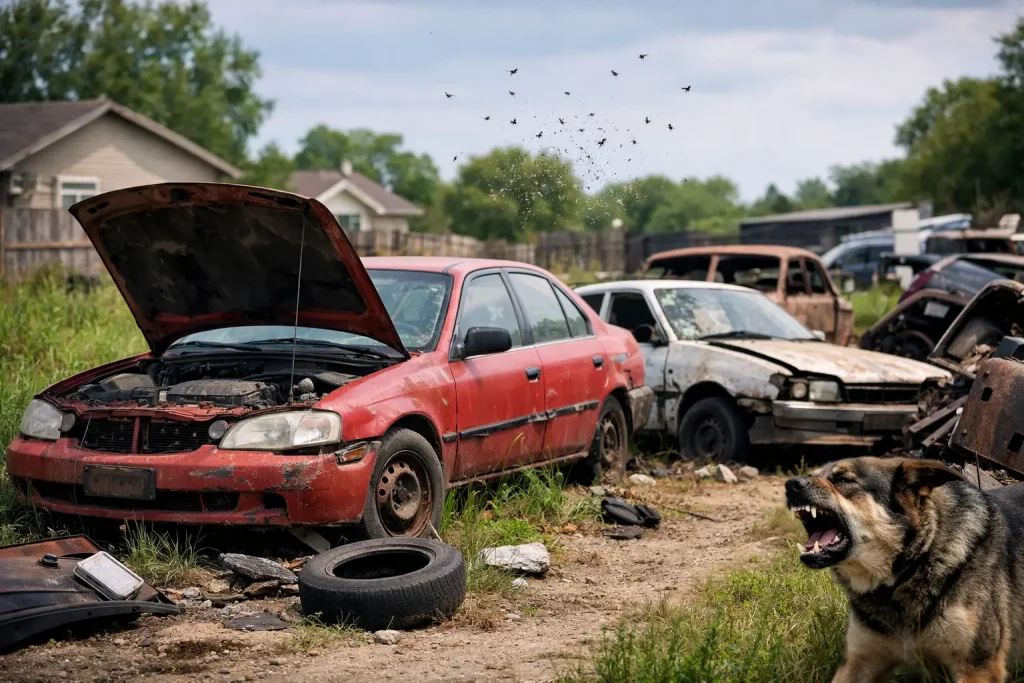
That old car at the side of the driveway may seem harmless because it has not moved in months. But the top risks of keeping junk cars tend to grow quietly over time. What started as a vehicle you hoped to repair can become a safety concern, a property headache, and one more stressful item on an already long to-do list.
For homeowners and rural property owners, it is easy to put off the decision. Maybe the transmission failed, the engine has major damage, or the vehicle simply is not worth insuring or repairing. Keeping it for another season can feel easier than dealing with it now. The trouble is that an unused vehicle rarely stays in the same condition. It deteriorates, attracts attention, and takes up space you could use.
Top Risks of Keeping Junk Cars Around Too Long
A junk car is more than clutter. Depending on its condition and where it is stored, it can create real issues for your household, your property, and your peace of mind.
Safety hazards for kids, pets, and visitors
An old vehicle can be tempting for children to explore, especially when it sits close to the house, barn, or yard. Doors may close unexpectedly, broken glass can create a hazard, and loose interior materials can make the vehicle unsafe to climb around. Pets can also get into open vehicles and become trapped or injured.
There is also the risk of someone trying to move the car when it is not roadworthy. A vehicle with failed brakes, steering issues, or serious mechanical damage should not be treated like a working vehicle, even for a short trip across a property. If it rolls, shifts, or is parked on an incline, the consequences can be serious.
Fluid leaks can damage the ground
Older, damaged vehicles can leak oil, coolant, fuel, brake fluid, and other automotive fluids. A small drip may not look urgent, but repeated leaking can stain concrete, damage gravel areas, and seep into the soil. This matters even more near gardens, drainage areas, wells, creeks, or lakes.
Not every old car leaks, and a vehicle stored briefly in good condition may pose less of a concern. Still, a non-running vehicle that has sat through multiple seasons is harder to trust. Cold winters, heat, and changing temperatures can worsen cracked hoses, seals, and containers.
Fire and electrical concerns
A vehicle that has been sitting unused may have damaged wiring, deteriorated insulation, or an aging battery. Rodent damage can make electrical problems more likely. In dry conditions, especially around grass, brush, sheds, or stored materials, that is not something to ignore.
The risk is not always dramatic, but it is unnecessary. If a vehicle will not be repaired and returned to safe use, leaving it in place indefinitely means accepting a problem that can get worse without warning.
More pests and unwanted nesting areas
Junk cars provide sheltered spaces that rodents and insects like. Mice can nest in the interior, under the hood, or in other protected areas. Once they settle in, they may move on to garages, sheds, campers, or even the home.
For rural properties, this can be especially frustrating. A vehicle parked near feed, firewood, outbuildings, or storage areas can become one more place for pests to hide. Removing the car removes a potential nesting spot and makes the property easier to keep clean.
Bylaw Complaints and Property Issues
Many people keep an old vehicle because it is on private land. That does not always mean there are no rules involved. Local requirements vary by community, property type, zoning, and the condition of the vehicle. A vehicle that appears abandoned, unlicensed, dismantled, or unsafe can draw complaints from neighbors or attention from local enforcement.
A complaint can turn into a deadline
Most neighbors do not want conflict, but a junk car can become a point of frustration when it is visible from the street or impacts the look of a shared area. One complaint may lead to an inspection, notices, or a deadline to address the problem.
The exact rules depend on where you live. A vehicle tucked away on a large rural lot may be treated differently than one sitting in a visible residential driveway. But waiting until a notice arrives puts you under pressure. Handling removal on your own schedule is usually simpler than scrambling to meet a deadline.
It can affect how your property looks and feels
Even when there is no formal complaint, an unwanted vehicle changes the feel of a property. It can make a clean yard look neglected, crowd a driveway, and become the first thing people notice when they arrive. That matters if you are preparing to sell, hosting family, starting a renovation, or simply trying to reclaim your space.
There is a practical side, too. A junk car can block access for trailers, deliveries, snow clearing, landscaping, or a replacement vehicle. Once it has sat there for years, people often forget how much usable space it occupies.
The Financial Risk Is Often Hidden
Keeping an old vehicle may seem like the cheaper choice because it does not require an immediate decision. Yet it can still cost you money in ways that are easy to overlook.
Repairs can become less realistic with time
A vehicle that needs a major repair today may need several more repairs after sitting unused. Seals dry out, batteries fail, fuel systems degrade, and rodent damage may appear. The longer it sits, the less likely it is that a single repair will make it dependable again.
There are exceptions. Some owners have a clear restoration plan, secure indoor storage, and the time and budget to follow through. That is different from keeping a vehicle because deciding feels difficult. If there is no realistic repair plan, the car is usually not an asset. It is an unresolved problem taking up room.
Insurance and liability questions do not disappear
An uninsured or non-operational vehicle still deserves attention. If someone is injured around it, if it rolls, or if it creates damage on your property, you may be left sorting out a complicated situation. Your specific coverage and responsibility depend on your policy and circumstances, so it is wise not to make assumptions.
The simplest way to reduce exposure is to remove a vehicle that is no longer safe, useful, or intended for repair. It is one less thing to monitor and worry about.
Weather Makes Old Cars Worse
Interior weather can be hard on a parked vehicle. Heavy snow can add weight, freeze doors and latches, and make access difficult. Summer heat can crack materials and intensify fluid odors. Rain and moisture encourage rust, especially when a vehicle is already damaged or sitting on damp ground.
A car that looked manageable last fall may be much more difficult to deal with after another winter. It can sink into soft ground, become blocked by snowbanks, or deteriorate enough that moving it becomes more complicated. Acting before seasonal weather adds another layer of hassle is usually the better call.
When Keeping the Vehicle May Make Sense
Not every older vehicle needs to go immediately. If it is safely stored, has a defined repair plan, is protected from weather, and you genuinely intend to use it, keeping it may be reasonable. The key is being honest about the plan.
Ask yourself a few straightforward questions: Has the vehicle moved recently? Do you know what repair it needs? Is the repair budget realistic? Is it creating a safety, space, or bylaw concern? If your answers keep pointing to “someday,” it may be time to let the vehicle go.
Make the Problem Leave Without Making It a Project
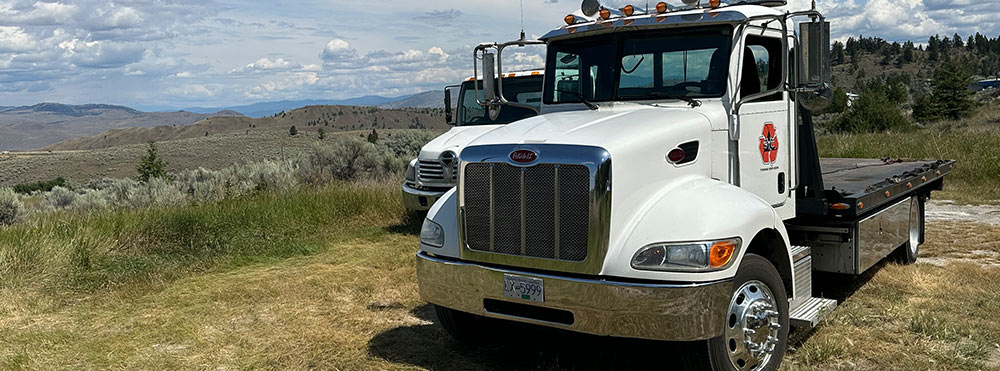
You do not need to spend a weekend trying to figure out how to move a non-running car or asking friends for favors. A local removal service can take the burden off your hands, especially when the vehicle is damaged, uninsured, or has been sitting for a long time.
For property owners across Salmon Arm, Vernon, Kelowna, Kamloops, and surrounding Interior communities, Scrap Your Car provides a straightforward way to clear out unwanted vehicles without adding another job to your list. One call can replace weeks of putting it off.
An old car does not have to stay parked in the background of your life. Clearing it out gives you back space, reduces avoidable risks, and lets your property feel like yours again.