
That moment usually comes after one more dead battery, one more repair quote, or one more week of a vehicle sitting in the driveway doing nothing. If you are wondering about the top signs car is junk, you probably already know something is off. The real question is whether the problem is fixable in a way that makes sense, or whether the car has reached the point where keeping it is just costing you time, money, and space.
For most people, this is not a technical decision. It is a practical one. If the vehicle is unreliable, unsafe, or too expensive to bring back to life, hanging onto it rarely helps. It usually just turns into a bigger headache.
Top signs your car is junk
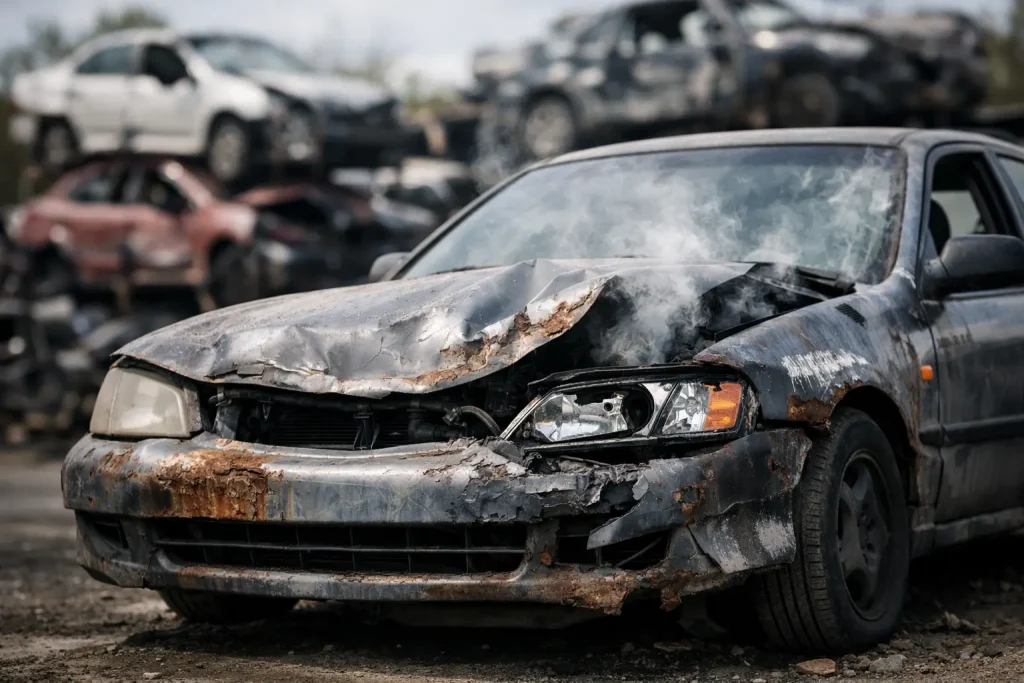
A junk car is not always a smashed or burned-out wreck. Sometimes it still looks decent from the outside. Sometimes it even starts once in a while. What makes it junk is usually a combination of cost, condition, and risk.
The repair bill is higher than the car is worth
This is one of the clearest signs. If the cost to fix the car is more than the vehicle would be worth once repaired, the math stops working. A bad engine, failed transmission, major electrical issue, or serious cooling system damage can push repair costs up fast.
There are edge cases. If the vehicle has sentimental value, very low mileage, or a known history you trust, some owners still choose to repair it. But for most everyday cars, pouring thousands into an aging vehicle does not solve the bigger problem. It just delays the next repair.
It is no longer reliable enough for daily use
A car that leaves you guessing every time you turn the key is already telling you something. Maybe it starts some days and not others. Maybe it stalls, overheats, leaks badly, or gets stuck in limp mode. Maybe the battery keeps dying because of an electrical drain no one can pin down.
When a vehicle becomes unpredictable, it stops being transportation and starts being a gamble. That is especially true if you rely on it for work, school runs, appointments, or winter driving. Reliability matters more than whether the car technically still runs.
The vehicle has been sitting for months
A car that has not moved in a long time often gets worse, not better. Fluids break down, seals dry out, batteries die, brakes seize, and tires go flat. Rodents can also cause major damage under the hood and inside the cabin.
A lot of owners plan to deal with it later. Later turns into next season, then next year. If the car has become a permanent fixture on the property and you have no real plan to repair it, that is a strong sign it has crossed into junk territory.
It is unsafe to drive
Safety problems are different from cosmetic problems. Faded paint and small dents are one thing. Failing brakes, steering issues, frame damage, severe rust, or airbag system problems are something else.
If a mechanic tells you the vehicle is unsafe, take that seriously. The same goes if you know deep down that you do not trust it on the highway, on steep roads, or in bad weather. Once confidence is gone for good reason, keeping the car around usually does not serve you.
When an old car becomes more trouble than it is worth
Age alone does not make a vehicle junk. Plenty of older vehicles are still dependable. The bigger issue is what age brings with it: repeated breakdowns, scarce parts, rising repair costs, and more time spent dealing with problems.
You are constantly fixing one thing after another
Some vehicles fall into a pattern where every repair leads to another. First it is the starter. Then the alternator. Then brake lines, suspension, cooling issues, sensors, and fuel system problems. None of those repairs may seem final on their own, but together they create a money pit.
If you are paying to keep the car barely usable month after month, it may be time to stop chasing the next fix. A vehicle should make life easier, not become a standing expense with no end in sight.
It cannot be insured, registered, or legally driven
Sometimes the issue is not whether the engine runs. It is whether the vehicle can realistically get back on the road. If it has been parked for a long time, has major damage, or would take too much to pass inspection, keeping it may not make sense.
This matters for homeowners and rural property owners in particular. An unwanted vehicle can become more than an eyesore. It can create stress with neighbors, attract complaints, or become a bylaw issue if it sits too long in plain view.
Rust has moved past surface level
A little rust is common. Structural rust is another story. If rust is affecting the frame, floor, suspension mounting points, brake lines, or rocker panels, repair costs can climb quickly and safety can become a real concern.
This is one of those it depends situations. Surface rust can often be lived with. Structural rust usually means the vehicle is on borrowed time. Once metal integrity is compromised, fixing everything properly is rarely cheap.
Signs a non-running car is not worth keeping
People often hold onto non-running vehicles because they think they will get around to them. Sometimes that works. Often it does not.
No one can diagnose it clearly or the diagnosis keeps changing
If you have already spent money trying to figure out why the car will not start or stay running, and you still do not have a solid answer, that is a problem. Electrical failures, computer issues, and intermittent faults can get expensive fast because the clock keeps running even when there is no guaranteed fix.
The more uncertain the repair path is, the harder it becomes to justify keeping the vehicle. You are not just paying for repairs. You are paying for guesswork.
Rodents, water, or long-term neglect caused serious damage
A vehicle that sat through seasons of weather and neglect can hide a lot of damage. Wiring gets chewed. Interiors mold. Fuel systems gum up. Brake components corrode. What starts as a simple non-runner can turn into a full list of expensive problems.
This is common with project cars that were supposed to be temporary. If the car has been sitting under a tree, beside a garage, or at the edge of a property for years, chances are high it needs much more than a battery and fresh gas.
You are keeping it out of guilt, not because it has a future
This one is not mechanical, but it is real. A lot of people keep an old vehicle because they feel bad getting rid of it. It was a first car. It belonged to a parent. It was supposed to be fixed up one day.
If there is a real plan and budget, that is one thing. If the vehicle is just sitting there because letting go feels easier next month than today, it may already be junk in every way that matters.
What to ask before you make the call
Before you decide, ask yourself a few simple questions. Would you pay to fix this car if you did not already own it? Do you trust it enough to put your family in it? Has it become a source of stress instead of convenience? Are you spending money just to avoid making a decision?
Those questions usually cut through the noise. Most owners know when a vehicle is done. They just want reassurance that they are not giving up too early.
If the car still has a realistic path back to safe, reliable use at a reasonable cost, fixing it may be worth it. But if it is sitting, failing, draining your wallet, or creating problems on your property, the better move is often to get it gone and move on.
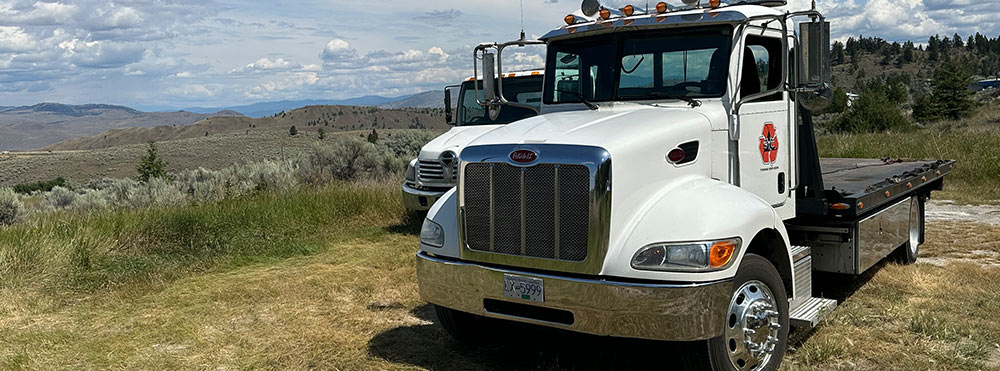
For people around Salmon Arm and nearby Interior communities, that decision is often less about the vehicle itself and more about getting your space back, removing a hazard, and ending the ongoing hassle. That is why local pickup services exist. One call to a company like Scrap Your Car can take a dead vehicle from being a daily annoyance to being completely off your hands.
If you have been staring at the same problem car for weeks or months, trust what the situation is already telling you. The right time to let it go is usually earlier than people think.