
A car that will not start can turn an ordinary morning into a problem fast. You may be stuck in the driveway, late for work, or staring at a vehicle that has been sitting for months. If you are asking, what if my car will not start, the first priority is simple: stay safe, avoid throwing money at guesses, and decide whether the vehicle is worth repairing.
Sometimes the fix is minor. Other times, a no-start vehicle is the last sign that it has become more trouble than it is worth. Knowing the difference can save you time, stress, and another expensive tow bill.
What If My Car Will Not Start? Start With Safety
Before trying anything, put the vehicle in park or neutral, set the parking brake, and make sure you are not blocking traffic or sitting somewhere unsafe. If the vehicle is in a garage, do not keep cranking it repeatedly with the garage door closed. If it starts unexpectedly, exhaust fumes can build up quickly.
Avoid repeated attempts if you smell fuel, see smoke, notice burning wiring, or hear a sharp electrical buzzing. Those are not problems to troubleshoot in the driveway. A vehicle with visible leaks, rodent-chewed wiring, or serious damage can become a fire or safety risk.
If the car is parked on a slope, in a narrow rural driveway, or in deep snow, do not put yourself in danger trying to move it. A professional can assess how to remove a non-running vehicle safely from the property.
Notice What Happens When You Turn the Key
You do not need to be a mechanic to describe the problem clearly. Pay attention to what the vehicle does when you turn the key or press the start button. That information helps a repair shop, roadside service, or removal company understand what they are dealing with.
A rapid clicking sound often points to a weak battery or poor battery connection. No dashboard lights at all can also indicate a dead battery, loose connection, or electrical issue. If the lights come on but the engine will not crank, the problem may involve the starter, ignition system, or a safety switch.
If the engine cranks but never starts, possible causes include a fuel delivery problem, spark issue, timing failure, sensor problem, or engine damage. A vehicle that starts briefly and dies may have a fuel, air, security-system, or electrical issue.
The key point is that a no-start condition is not one single repair. The same symptom can lead to a modest bill or a major repair estimate. That is why it makes sense to gather a little information before approving work.
A few simple checks can be worthwhile
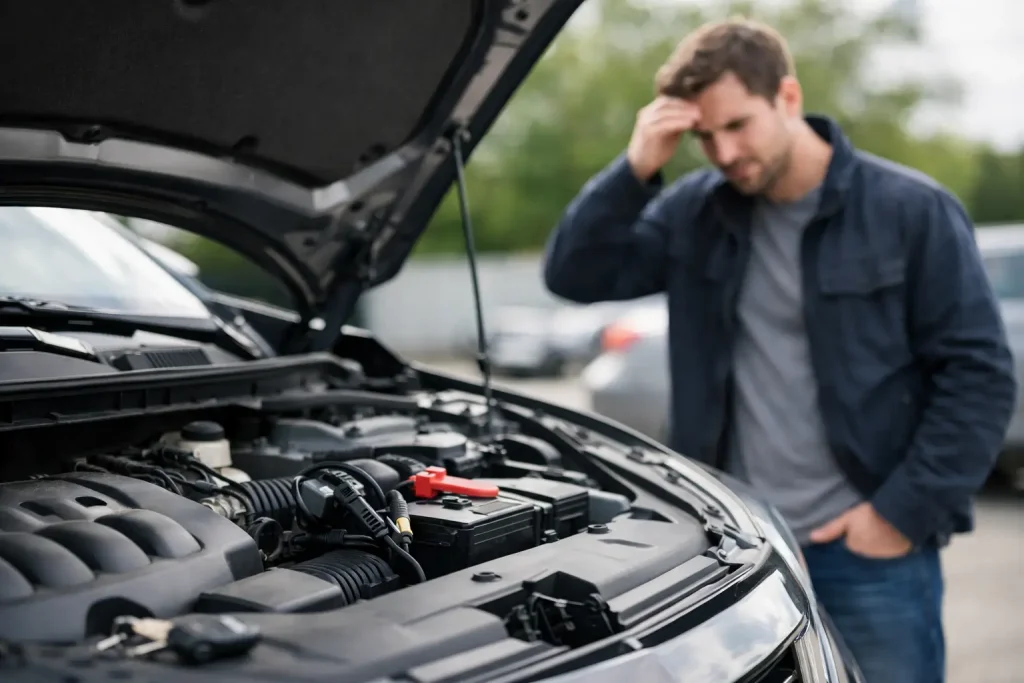
If you are comfortable doing so, check whether the battery terminals look loose or heavily corroded. Make sure there is fuel in the tank and that you have the correct key or key fob. If the vehicle has been sitting, look underneath for obvious fluid leaks and around the engine area for signs of animal nesting or damaged wiring.
You can also try a properly performed jump-start if the battery appears to be the likely issue and you know how to do it safely. If the car starts after a jump but dies again soon afterward, the battery or charging system may need attention. Do not assume a jump-start solves the larger problem.
If these basic checks do not reveal an easy answer, stop there. Replacing parts at random can cost far more than getting a proper diagnosis.
When Repairing a Car That Will Not Start Makes Sense
A repair can be the right choice when the vehicle is otherwise dependable, has reasonable mileage, and meets your current needs. A battery, starter, ignition component, or minor wiring repair may be worth handling if the rest of the car is in good condition.
Ask for a diagnosis and a written estimate before authorizing major work. Then consider the full picture, not only the immediate repair. Has the vehicle needed frequent work lately? Is it insured, registered, and safe to drive once repaired? Are there other known issues waiting behind this one?
A repair that costs a few hundred dollars may be sensible on a well-maintained vehicle. The same repair on an older vehicle with transmission trouble, engine damage, rust, electrical problems, or a long list of overdue maintenance may only delay the next breakdown.
It also depends on your situation. A family may need a reliable vehicle quickly and decide a repair is the fastest path forward. A homeowner with an unused car taking up space may decide the better move is to let it go instead of investing more money.
Signs It May Be Time to Let the Vehicle Go
A vehicle does not have to be completely destroyed to become impractical to keep. For many owners, the decision comes down to the cost, the hassle, and the space it takes up.
It may be time to consider removal when several of these problems are true:
- The repair estimate is more than you are comfortable spending on the vehicle.
- The vehicle has been sitting for a long time and continues to develop new problems.
- It has major engine, transmission, or electrical failure.
- You no longer drive it because it is uninsured, unreliable, or unsafe.
- It is creating clutter, bylaw concerns, or a headache on your property.
An old car can become more difficult to deal with the longer it sits. Batteries fail, tires go flat, moisture causes damage, and rodents can make a bad situation worse. What started as a plan to fix it “later” can turn into a vehicle that cannot be moved without help.
Do Not Let a Non-Running Car Become a Property Problem
A dead vehicle in the driveway can be more than an inconvenience. It can take up parking, make it harder to organize your garage or yard, and create an ongoing source of stress. For rural property owners, it may sit well out of sight until it becomes difficult to access.
There can also be practical concerns around insurance, leaks, and local property rules. Every situation is different, but leaving an unwanted vehicle in place rarely makes the decision easier. If you already know you do not want to repair it, there is little benefit in continuing to pay for storage, towing attempts, or repeated inspections.
The best next step is often the simplest one: arrange for the vehicle to be picked up and cleared from the property by professionals equipped to handle non-running vehicles.
What to Have Ready Before Arranging Pickup
The process goes faster when you can provide a few basic details during the call. You do not need to diagnose the vehicle perfectly. Just be honest about its condition and location.
Be ready to explain the make, model, approximate year, and whether it rolls or is completely immobile. Mention if it is in a garage, behind a gate, on a rural property, or in a tight driveway. Clear access matters, especially for a vehicle that cannot start or move under its own power.
You should also have the ownership paperwork available and remove your personal belongings from the vehicle. Check the glove box, center console, trunk, under the seats, and any storage compartments. It is much easier to do this before pickup than after the vehicle has left your property.
For owners in Salmon Arm, Vernon, Kelowna, Kamloops, and surrounding Interior communities, a local removal service can be a practical answer when the vehicle is no longer worth fixing. Scrap Your Car handles the difficult part: getting an unwanted, damaged, or non-running vehicle off your property without making you coordinate multiple services.
A Clear Decision Is Better Than Another Guess
When a car will not start, it is reasonable to try a few safe, basic checks and get an estimate if the vehicle has a good chance of being reliable again. But if the repair numbers keep climbing or the car has been a problem for too long, choosing removal is not giving up. It is a practical decision that gives you back your space and removes one more unfinished job from your list.
One call can turn a vehicle that has been sitting for months into a problem you no longer have to think about.