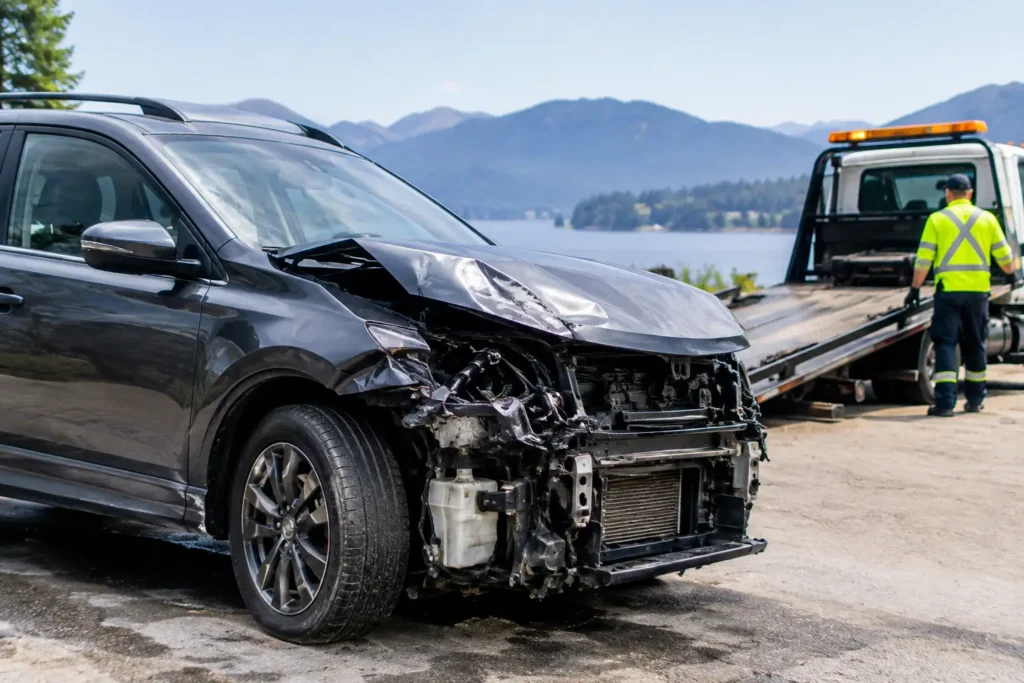
A collision can leave more behind than a damaged vehicle. Once the immediate situation is handled, that car, truck, or SUV may be sitting in your driveway, yard, shop area, or rural property with nowhere to go. Shuswap collision removal gives local owners a practical way to clear that problem without arranging repairs, finding storage, or trying to move a vehicle that no longer runs.
For many people, the hardest part comes after the tow from the crash scene. The vehicle may be returned home, parked at a body shop that cannot keep it, or left taking up valuable space while the next step is unclear. If repairs no longer make sense, a professional removal service can take the vehicle away and help you move on.
When Collision Damage Becomes a Property Problem
Not every collision vehicle needs to be repaired. A minor impact may be worth fixing, especially on a newer vehicle with limited damage. But a serious crash can create costly mechanical, electrical, structural, or safety issues that are difficult to justify on an older vehicle.
Sometimes the damage is obvious. The vehicle will not start, panels are crushed, fluids are leaking, or it cannot be driven safely. Other times, it looks repairable until an estimate reveals problems hidden behind the bumper, under the hood, or around the suspension. Once repair costs begin to climb, keeping the vehicle often creates more frustration than value.
A damaged vehicle can also become a problem long after the collision. It can block parking, crowd a garage, make a property look neglected, or become another item on a growing to-do list. On rural properties around the Shuswap, moving a non-running vehicle can be especially difficult when access is limited, the ground is uneven, or the nearest repair facility is a long drive away.
That is where a local, direct removal service makes sense. Instead of trying to coordinate multiple people, trailers, and appointments, you can make one call and arrange for the vehicle to be picked up.
What to Do Before Arranging Shuswap Collision Removal
The right time to remove a collision vehicle depends on what has already happened with your insurer, the police, and the repair process. If the vehicle was involved in an active insurance claim, make sure you understand whether your insurer needs photos, an inspection, or authorization before it leaves your property. Keep any paperwork related to the crash in a safe place.
Take clear photos of the vehicle and its condition if you have not already done so. This is useful for your own records and can help avoid confusion later. Remove personal belongings from the glove box, center console, trunk, door pockets, and under the seats. People often forget paperwork, garage remotes, sunglasses, tools, and personal documents after a stressful accident.
You should also have the vehicle ownership information available when you call. A professional removal company will need to confirm that you are authorized to have the vehicle removed. If the vehicle is registered to a family member, estate, or business, explain that upfront so the pickup can be arranged properly.
If the vehicle has a fluid leak, visible damage, broken glass, or unstable body panels, do not attempt to force it into a new location yourself. Leave it where it is safe, keep children and pets away from it, and let trained professionals handle the pickup. Trying to push, pull, or tow a badly damaged vehicle with the wrong equipment can cause another injury or property damage.
Fast Removal Is About More Than Convenience
A collision vehicle does not improve with time sitting in a driveway. Weather can worsen exposed damage, leaks can create a mess, and a vehicle that cannot be driven may quickly become an obstacle for your household. If it is uninsured or no longer worth repairing, keeping it around may also create unnecessary worry.
Quick removal gives you room to use your property again. That might mean getting a parking spot back, clearing access to a garage, making space for a replacement vehicle, or simply removing a daily reminder of an accident. For families dealing with work schedules, medical appointments, insurance calls, and transportation changes, one less problem matters.
It is also worth acting before the vehicle becomes harder to access. A damaged vehicle parked on soft ground, behind another vehicle, or in a tight side yard can still be removed, but sharing those details when you call helps the service arrive prepared. Be honest about whether it rolls, whether it is in a garage, and whether there are gates, steep driveways, narrow lanes, or low branches near the pickup area.
How the Pickup Process Usually Works
The process should be simple. When you call, explain that the vehicle was in a collision and describe its current condition. Let the removal company know the make, model, approximate location, and whether it starts or moves. If you are in Salmon Arm, Sicamous, Sorrento, Blind Bay, Vernon, Kamloops, or another Interior community, providing your exact location helps confirm the quickest available pickup time.
You will also want to mention any access issues before the appointment is set. A vehicle parked beside a house, behind a locked gate, or at the end of a rural driveway may require a different approach than one sitting in an open parking area. Clear communication avoids delays and makes the visit smoother for everyone.
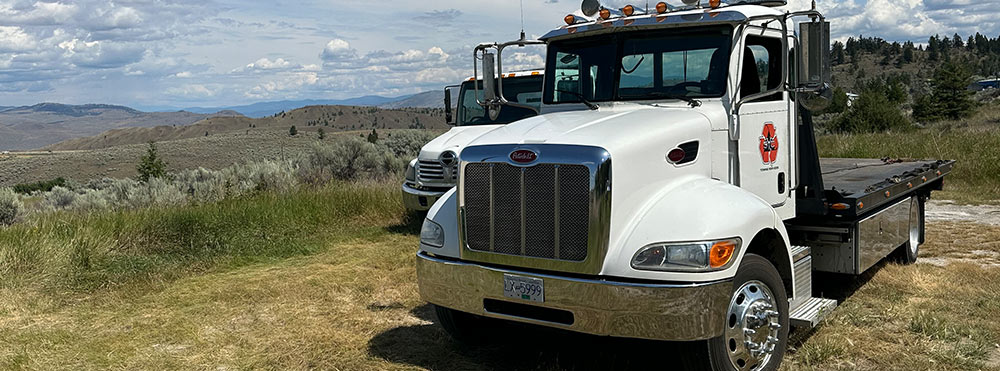
At pickup, the operator will confirm the vehicle and handle loading it safely. You do not need to figure out how to get a non-running or badly damaged vehicle onto a trailer yourself. That is the point of calling professionals who deal with unwanted vehicles every day.
Scrap Your Car focuses on making this part straightforward: friendly local service, prompt communication, and a practical pickup plan based on where the vehicle is sitting. The goal is not to give you another complicated appointment. It is to get the damaged vehicle off your property so you can focus on what comes next.
When Repair Still Makes Sense – And When It Does Not
There is no single rule for every collision vehicle. A vehicle with cosmetic damage, a dependable history, and a reasonable repair estimate may be worth keeping. This can be especially true when replacement vehicles are expensive or the vehicle has low mileage.
Removal becomes the more practical option when the damage is major, the vehicle has other existing mechanical issues, or the repair estimate is far beyond what you are comfortable spending. An older vehicle with a failing transmission, engine trouble, electrical faults, or long-standing reliability problems may not be worth rebuilding after a crash. The same is true when the vehicle has been sitting for months and no repair plan is realistically moving forward.
Be realistic about the time involved, not just the repair estimate. A vehicle that needs extensive work may remain unavailable for weeks, while storage and transportation problems continue. Clearing it from your property can be the clean break that helps you make a better decision about your next vehicle.
Do Not Let a Damaged Vehicle Sit Longer Than It Needs To
After a collision, people often postpone the final decision because the vehicle is out of sight. But every week it remains on the property is another week of lost space, added stress, and an unfinished task hanging over you. If you know the vehicle is not being repaired, there is little reason to keep working around it.
Call for Shuswap collision removal when you are ready to clear the space safely and move forward. A quick conversation about the vehicle, its location, and access to the property can turn a frustrating post-collision problem into one less thing to worry about.