

That non-running vehicle may be taking up room in your driveway, costing you insurance money, and becoming one more thing on your to-do list. But if you are asking, “can I scrap a financed vehicle?” the answer is usually not until you deal with the lender first. A vehicle loan does not disappear because the car is damaged, uninsured, or no longer worth repairing.
The good news is that there is often a clear path forward. It starts with knowing who legally has an interest in the vehicle, what your loan agreement says, and what paperwork is needed before a removal company can pick it up.
Can I Scrap a Financed Vehicle Before It Is Paid Off?
In most cases, you should not arrange to scrap a financed vehicle without the lender’s written approval or without paying off the loan. When a vehicle is financed, the lender commonly has a lien or security interest in it. That interest gives the lender legal rights tied to the vehicle until the debt is settled.
You may be the person driving it, storing it, and making the payments, but that does not always mean you have the unrestricted right to dispose of it. This is especially true if the loan is secured by that specific vehicle. A removal company also needs to know that the person authorizing pickup has the legal authority to do so.
Scrapping a vehicle without resolving the lien can create a much bigger headache than the vehicle itself. The lender may still expect every remaining payment. If the vehicle is disposed of without permission, it may also be treated as a breach of your financing agreement. Do not assume that because the car is beyond repair, the loan no longer matters.
A Vehicle Can Be Worth Little and Still Have a Loan
This situation catches many owners by surprise. A blown engine, transmission failure, collision damage, rodent damage, or years of sitting can make a vehicle impractical to repair. Yet the loan balance may remain high.
The value of the vehicle and the balance of your loan are two separate things. If you owe $6,000 but the damaged vehicle has very little remaining value, you still owe the lender the $6,000 unless you make another agreement with them. Letting the vehicle go does not automatically settle the debt.
That is why the first phone call should usually be to your lender, not to a pickup company. Ask what is required to release its interest in the vehicle and whether there is a payoff amount available. Get the answer in writing whenever possible.
Check What Type of Financing You Have
Not all financing arrangements work the same way. A standard auto loan is often secured directly by the vehicle. In that case, the lender may be listed on the ownership or registration records, and its release may be required before the vehicle can be disposed of.
A personal loan used to buy a vehicle can be different. If the loan is unsecured, the lender may not have a lien on the vehicle itself. You still owe the money, but you may have more freedom to dispose of the vehicle. Do not guess based on the name of the loan. Review your agreement or call the lender and ask a direct question: “Do you have a lien or security interest in this vehicle?”
Leased vehicles are another matter entirely. You generally do not own a leased vehicle, so you cannot authorize it for scrap pickup. Contact the leasing company and follow its instructions.
What to Ask Your Lender
Keep the conversation simple and specific. Tell the lender that the vehicle is damaged or no longer operable and that you are considering disposal. Ask whether the account must be paid in full first, whether it can provide a lien release, and what documents it needs from you.
You should also ask for the exact payoff amount and the date that amount is valid through. Loans can accrue interest daily, so a payoff figure may change. If you can pay the balance, confirm how long it takes for the lender to issue proof that its claim has been released.
If paying off the loan immediately is not realistic, ask whether the lender has any other option for a severely damaged vehicle. The answer may be no, but it is better to know your position before making arrangements. Keep notes of who you spoke with, the date, and what they told you.
Do Not Confuse Registration With Clear Ownership
Having registration paperwork in your glove box does not always mean the vehicle is free of financial claims. Registration shows that a vehicle has been registered for road use. Ownership documents and lender records address who has the right to transfer or dispose of it.
Before pickup, gather the paperwork you have and look for any lender information. If your documents are missing, damaged, or outdated, resolve that first. A reputable local removal company will want to make sure the person requesting service is authorized to release the vehicle.
This protects everyone involved. It helps prevent disputes, avoids problems with improperly disposed vehicles, and gives you confidence that the vehicle is leaving your property through the right process.
If the Vehicle Is Totaled or Will Not Run
A vehicle does not have to run to remain financed. It also does not stop being your responsibility because it has been declared a total loss, has a major mechanical failure, or has sat untouched for years.
If the vehicle was involved in an insurance claim, speak with both the insurer and lender before making any decision. Depending on the claim and policy, insurance proceeds may go toward the outstanding loan. The lender may need to approve the final disposition of the vehicle.
If there is no insurance involved, the same basic rule applies: settle the lender’s interest first. Once you have a clear release or confirmation that you are authorized to proceed, you can arrange removal without wondering whether a simple cleanup job will turn into a financial or legal dispute.
A Practical Order of Operations
The fastest route is not always the first call you want to make, but it is usually the one that saves time. Start by finding your loan agreement, registration, and any ownership paperwork. Contact the lender to confirm whether a lien exists and request its requirements in writing.
Next, pay off the loan or follow the lender’s approved process. Obtain a lien release, clear ownership documentation, or other written authorization before scheduling removal. Finally, contact a professional vehicle removal service and have your documents ready when you call.
This order matters. It prevents a pickup from being delayed after the truck has already been scheduled, and it gives the removal company the information needed to handle the job properly.
What If You Cannot Find the Lender?
If the financing company has changed names, been bought out, or stopped sending obvious notices, do not assume the loan is gone. Check recent bank statements, old emails, credit reports, and the paperwork from when you purchased the vehicle. Your local vehicle registry may also be able to explain how to identify a lien recorded against a vehicle.
If you have already paid the loan but never received a release, contact the lender or its successor and request one. Keep copies of the payoff confirmation and release documents in a safe place. Those records can save a lot of time if questions come up later.
When You Are Ready for Removal
Once the financing issue is cleared, an unwanted vehicle does not need to keep blocking your garage, driveway, or rural property. Whether it is an old commuter car, a damaged truck, or a vehicle that has become too expensive to repair, proper paperwork lets you move forward without added stress.
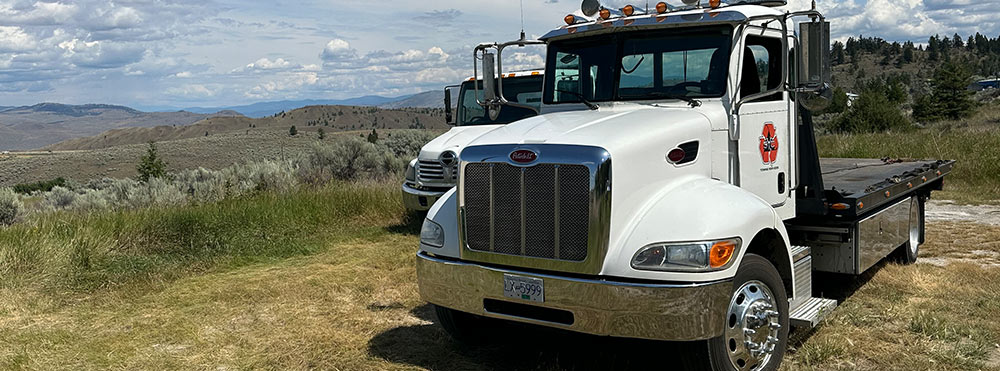
For owners across the Shuswap, Okanagan, and Interior, Scrap Your Car provides straightforward local pickup for vehicles that are ready to leave the property. Have your authorization and vehicle details ready, make the call, and let a problem vehicle become one less thing you have to deal with.