

A vehicle can look mostly fine after a hard storm and still be unsafe to drive. Water gets into electrical systems, hail weakens glass, and falling branches can damage more than the hood or roof. This guide for storm damaged cars explains what to do first, what damage can wait, and when it makes more sense to stop putting money into a vehicle that has become a bigger problem than it is worth.
Start With Safety, Not the Ignition
Do not rush out and try to start the car just because the weather has cleared. If floodwater reached the bottom of the doors, entered the cabin, or covered the vehicle for any length of time, leave it off. Starting a water-damaged vehicle can turn a serious issue into a much more expensive one.
Look for obvious hazards from a safe distance. Downed power lines, standing water, broken glass, loose branches, leaking fluids, and unstable trees all deserve caution. If a tree is resting on the vehicle, do not try to move it yourself. The weight may be holding damaged metal or glass in place, and the situation can change quickly.
If the vehicle was parked in a garage or shed that was damaged in the storm, make sure the structure is safe before going inside. Your car is not worth taking a risk around a compromised roof, wet wiring, or shifting debris.
Document the Damage Before Cleanup
Once the area is safe, take clear photos and short videos from every angle. Get wide shots that show the vehicle where it sits, then closer shots of dents, broken windows, water lines, interior damage, and anything that fell onto it. If possible, include the surrounding storm damage too.
This record helps when you speak with your insurance provider, a repair shop, or a vehicle removal company. It also prevents confusion if the car’s condition gets worse after the storm. Wet interiors can develop odors and mold quickly, while electrical problems may not appear until days later.
Do not throw away loose items from the vehicle until you have documented them. Keep a simple note of when the storm occurred, where the car was parked, how high the water reached, and whether the vehicle was running or turned off at the time.
Flood Damage Is Often More Serious Than It Looks
Floodwater is especially tough on vehicles because it reaches places you cannot easily inspect. Mud, moisture, and contamination can affect wiring, sensors, seat materials, carpets, brakes, and the engine. Saltwater exposure is even more concerning because corrosion can continue long after the vehicle dries out.
A car that was only exposed to shallow water may still be repairable. It depends on how long it sat in the water, whether it was running, how high the water rose, and the age and condition of the vehicle before the storm. A qualified inspection is the right next step if you are considering repairs.
Do not assume a dry-looking interior means the problem is over. Water can remain under carpeting, inside door panels, and in electrical connections. A vehicle that starts today may develop warning lights, starting trouble, or safety issues later.
Hail, Wind, and Tree Damage Need a Realistic Look
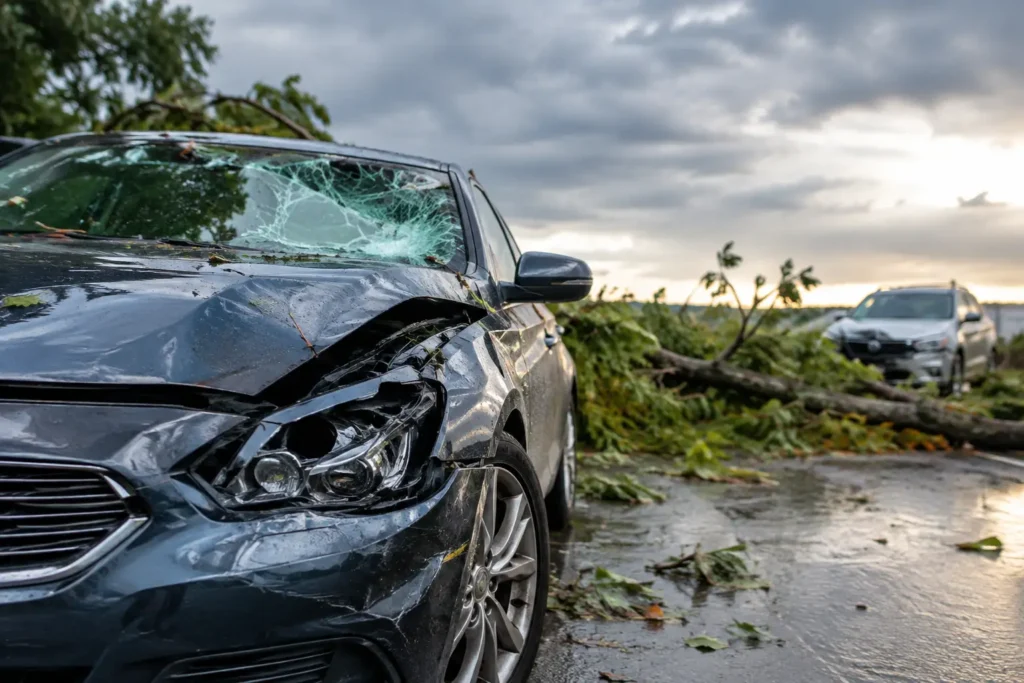
Hail damage can range from cosmetic dents to shattered glass and damaged lights. Wind can drive debris into a windshield, crush body panels, or pull loose trim away from the vehicle. A fallen limb can leave visible dents, but it can also damage the roof structure, suspension, or glass seal.
For a newer vehicle with limited damage, repair may be the sensible choice. For an older, uninsured, non-running, or already troubled vehicle, a major storm can be the event that changes the decision. Putting thousands of dollars into a car with existing mechanical or electrical trouble may not bring back reliable transportation.
Contact Your Insurer and Understand the Decision
Report the damage promptly if you have coverage that may apply. Give your insurer the facts, provide the photos, and ask what inspection or estimate they require. Avoid guessing about the cause or severity of damage. Clear details are more useful than trying to diagnose the car yourself.
After an assessment, you may face a practical choice: repair the vehicle, keep it as-is, or arrange to have it removed. The right answer depends on the repair estimate, the car’s pre-storm condition, and whether you can trust it after the work is done.
Ask direct questions. Is there flood contamination? Are electrical problems likely to return? Is the vehicle safe to drive once repaired? Will the repair cost make sense for its age and overall condition? A low estimate for visible damage does not always account for issues that show up later.
If you decide the vehicle is beyond saving, do not let it sit for months while you wait for a perfect answer. A damaged car can take up needed driveway space, create a safety concern around children and pets, leak fluids, or attract bylaw complaints. Acting early gives you one less storm problem to manage.
Protect Your Property While You Decide
If the car has broken windows or a damaged windshield, keep rain and debris out as best you can without creating a hazard. A secure temporary cover can help, but avoid trapping standing water inside. If the vehicle is leaking, keep it away from drains and place an appropriate container underneath only if it is safe to do so.
Remove personal belongings, paperwork, garage remotes, and anything with private information once it is safe. If the vehicle is being inspected or removed, keep its keys and ownership documents somewhere dry and easy to find.
Do not keep moving a badly damaged vehicle around the property. A car with water intrusion, broken glass, damaged steering, or unknown underside damage may not be safe to drive even a short distance. Professional transport is the safer call when there is any doubt.
When Removal Is the Practical Answer
Storm damage does not always mean a vehicle has to go. But removal is often the cleanest solution when repairs exceed the vehicle’s value, the car has serious flood exposure, it will not start, or it was already becoming unreliable before the storm.
This is particularly common for rural property owners and families with an older vehicle parked in a driveway, field, or outbuilding. One major storm can turn a vehicle that was already waiting for attention into a safety issue and a source of ongoing stress.
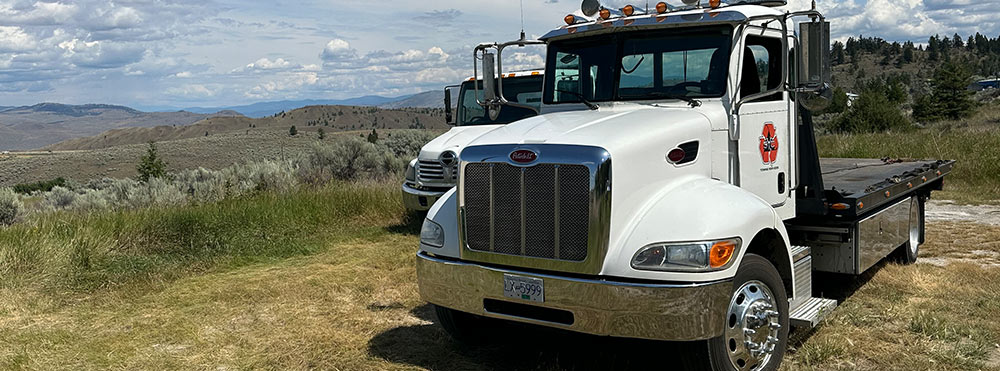
A local professional removal service can take the burden off your hands without asking you to figure out how to transport a non-running or damaged car. Scrap Your Car serves communities throughout the Interior, including Salmon Arm, Vernon, Kelowna, Kamloops, and surrounding areas, with fast, straightforward vehicle pickup for cars that are no longer practical to keep.
Before you call, have the vehicle’s make, model, approximate condition, location on the property, and ownership details ready. Mention any access concerns, such as a narrow driveway, soft ground, or a vehicle positioned behind another car. Clear information helps the pickup go smoothly and avoids delays.
Do Not Let a Storm-Damaged Car Become Next Month’s Problem
The best next step is usually the simplest one: stay safe, document what happened, get the facts on repair costs, and make a decision based on the vehicle’s real condition rather than hope. If the car no longer makes sense to repair or keep, arranging prompt removal can clear your property and let you move on from the storm.