
A vehicle can become a problem long before it stops looking like one. Maybe it has been sitting beside the garage since the repair estimate came back. Maybe it will not start, has body damage, or is uninsured and taking up room on a rural property. Knowing your car disposal options helps you make a clean decision before an unwanted vehicle turns into a safety concern, a bylaw issue, or one more thing on a growing to-do list.
The right answer depends on the vehicle’s condition, whether it can legally and safely be driven, how much time you have, and how much hassle you are willing to take on. For many Interior property owners, the best option is not the one that looks best on paper. It is the one that gets the vehicle off the property quickly and properly.
Car disposal options: start with the vehicle’s real condition
Be honest about what the vehicle needs. A car with a minor, predictable issue may still be worth repairing or selling privately. A vehicle with a major engine problem, transmission failure, serious electrical damage, structural rust, collision damage, or years of sitting unused is a different situation.
The question is not just, “Could this car run again?” It is, “Is it reasonable to keep spending time and money on it?” One repair can lead to another, especially when a vehicle has been parked for a long time. A low repair estimate can also grow once work begins.
If the car is not safe or legal to drive, do not take chances trying to move it yourself. Arranging for professional pickup is often safer than attempting a temporary fix, borrowing equipment, or asking a friend to tow it down the road.
Option 1: Repair it and keep driving
Repairing a vehicle makes sense when the problem is limited, the rest of the vehicle is reliable, and the repair cost fits your budget. If you know its service history and it has served your family well, keeping it may be less disruptive than replacing it.
Still, this option deserves a clear-eyed look. Ask for an estimate, then compare that cost with the vehicle’s overall condition. Consider its age, mileage, corrosion, upcoming maintenance, and whether you trust it for winter roads or regular highway travel. If the repair is a major expense and the car has several other issues, fixing it may only delay the same disposal decision.
Option 2: Sell a running vehicle privately
A running, registered vehicle in fair condition can sometimes be sold privately. This route may suit someone who has time to clean it, take photos, answer messages, meet potential buyers, and complete the paperwork carefully.
Private selling is not always simple. Buyers may cancel, negotiate hard, or expect you to solve issues that were disclosed from the beginning. You also need to be accurate about the condition. Never describe a vehicle as dependable if you know it has intermittent starting problems, overheating, warning lights, or other major faults.
For a vehicle that still runs but is close to the end of its useful life, private selling can be more work than many owners expect. If speed and certainty matter more than waiting for the right buyer, pickup may be the better choice.
Option 3: Trade it in
Trading in can be convenient if you are already buying another vehicle. The dealer handles much of the process, and you avoid arranging separate appointments with private buyers. It can be a practical path for a vehicle that drives in and has enough remaining value to be accepted.
The trade-off is that severely damaged, non-running, or uninsured vehicles may not be practical trade-ins. Even when a dealer accepts one, it may add little to the deal. Do not let the desire to simplify a purchase keep you from asking whether the old vehicle is actually worth bringing to the dealership.
Option 4: Donate it if it meets the requirements
Donation can feel like a good fit for an older vehicle that is still usable and meets the receiving organization’s requirements. Before committing, confirm that the vehicle’s condition, documents, and location work for the program. Some organizations have limits on what they can accept or where they can collect from.
This option is not ideal for every problem car. A vehicle that has been sitting for years, cannot be moved safely, or has extensive damage may not qualify. Calling first saves time and prevents an unwanted vehicle from remaining on your property while you wait for an answer.
Option 5: Arrange professional vehicle removal
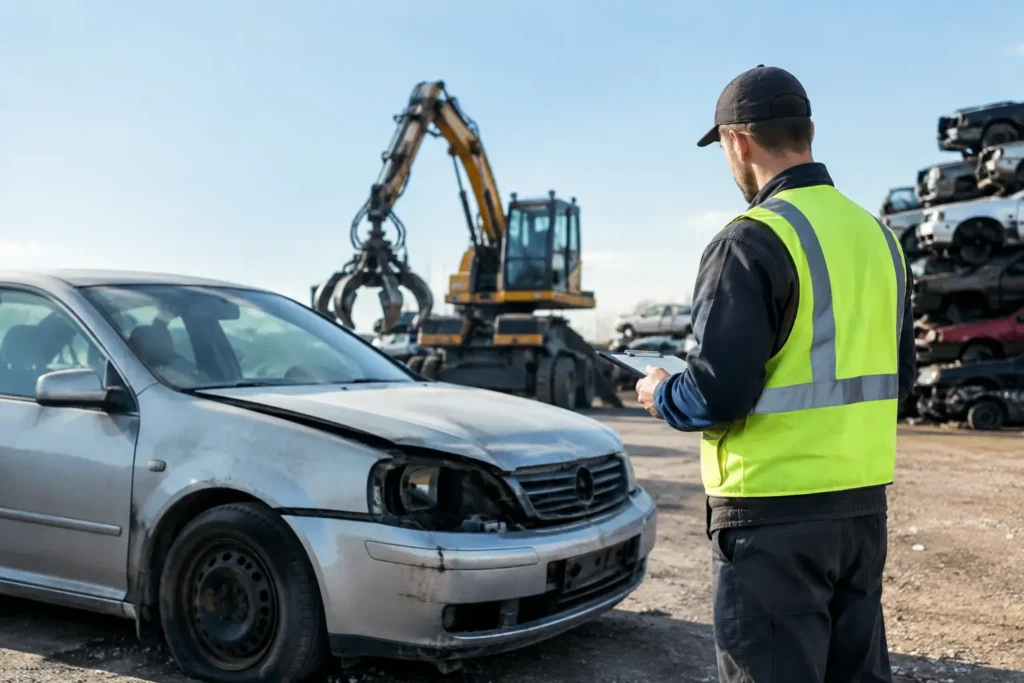
For many unwanted vehicles, professional removal is the most direct option. It is particularly useful when the car does not run, has been damaged, has no current insurance, is parked in a difficult spot, or simply is not worth repairing.
A local removal service takes the moving problem off your hands. Instead of finding a buyer, coordinating a tow, or wondering whether the vehicle will start, you arrange pickup and clear the space. This can be a major relief when the vehicle is blocking a driveway, occupying a parking spot, or becoming an eyesore beside the house or shop.
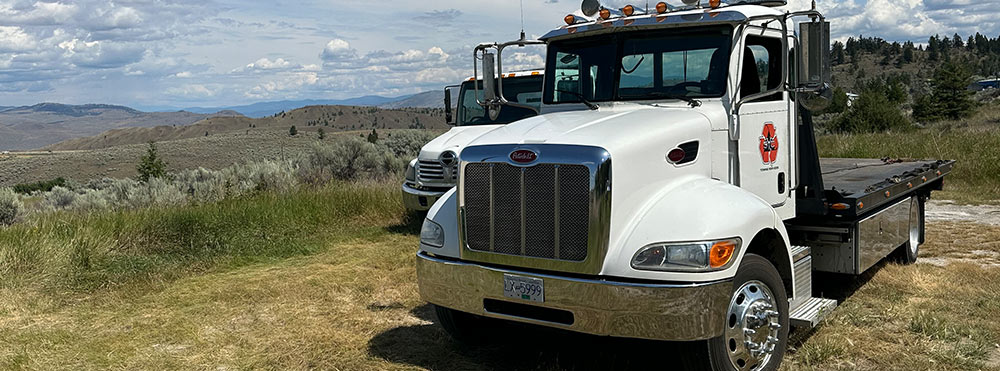
Scrap Your Car provides straightforward local pickup for unwanted vehicles throughout communities including Salmon Arm, Vernon, Kelowna, Kamloops, and surrounding Interior areas. The goal is simple: one call, a professional pickup plan, and one less problem on your property.
What to have ready before pickup
A quick phone call goes more smoothly when you can describe the vehicle clearly. Share its make, model, approximate year, general condition, and whether it starts or rolls. Mention where it is parked and any access concerns, such as a narrow driveway, a steep slope, snow, or a gate.
You should also locate the ownership paperwork you have available. Requirements can vary based on the vehicle’s status and local rules, so ask what documentation is needed before the pickup date. If there are personal belongings inside, remove them ahead of time. Check the glove box, trunk, center console, door pockets, and under the seats. It is easy to forget old registration papers, garage remotes, sunglasses, tools, or family items.
If the vehicle is in a shared driveway, apartment lot, or a place with restricted access, make sure you have permission for removal. A few minutes of preparation can prevent delays when the pickup team arrives.
When fast removal is the smart move
Waiting can make an unwanted car harder to deal with. It may sink into soft ground, collect moisture, become harder to access after snow, or create friction with neighbors and property managers. On rural properties, vehicles left near grass, brush, or work areas can also create unnecessary safety concerns.
Fast removal is especially sensible when you already know the vehicle is done. If it has a failed engine, major mechanical trouble, extensive damage, or a repair bill that makes no financial sense, there is no prize for letting it sit another season. Clearing it out gives you back usable space and removes a source of stress.
Choose the option that actually solves the problem
Every vehicle has a different story. A reliable car with a small repair may be worth keeping. A running vehicle in decent shape may suit a private sale or trade-in. But when a car is non-running, damaged, unwanted, or simply taking up room, professional removal is often the cleanest path forward.
Do not let an old vehicle keep claiming space in your driveway or on your property. Make the call, explain the situation honestly, and choose the option that lets you move on with less work and less worry.