That old vehicle in the driveway may have started as a temporary problem. A transmission failed, the engine would not start, the insurance lapsed, or repairs became more expensive than the vehicle was worth. Months later, it is still there, taking up the spot you need most. If you are wondering how to reclaim driveway space, the fastest answer is often to stop treating that vehicle as a future project and arrange for it to be removed.
A clear driveway changes how your property feels. It gives you room to park, turn around, load groceries, host visitors, or simply look at your home without seeing a constant reminder of a problem you have not had time to deal with. For homeowners and rural property owners across the Interior, clearing an unwanted vehicle is a practical job that can bring immediate relief.
Why an Unwanted Vehicle Takes Up More Than Space
The visible issue is simple: a vehicle is occupying valuable square footage. But the inconvenience usually goes further. You may be parking on the street, shuffling vehicles around every morning, or leaving a working vehicle exposed because the driveway is blocked.
An unused car or truck can also become a source of stress. It may be uninsured, damaged, or unable to move under its own power. You might be unsure whether it is safe to leave where it is, worried about complaints, or tired of explaining to family members why it is still sitting there. The longer it remains, the easier it is to put the decision off again.
For many people, the real cost is not a repair bill. It is the time, attention, and usable space the vehicle keeps demanding. A driveway should make daily life easier, not create another obstacle before you leave the house.
How to Reclaim Driveway Space: Make a Clear Decision
The first step is deciding whether the vehicle has a realistic purpose. Be honest about its condition and your plans. If it has not run for a long time, has serious mechanical trouble, has rodent damage, or would need more money than you are prepared to spend, keeping it may not be helping you.
This does not mean every older vehicle has to go. A vehicle with a defined repair plan, a set budget, and a near-term completion date may be worth holding onto. But “someday” is not a plan. If the vehicle has been sitting for a season or longer with no meaningful progress, it may be time to free up the space.
Ask yourself a few practical questions. Do you need the parking spot now? Is the vehicle creating a safety concern or making access difficult? Would you feel relieved if it were gone this week? Your answers usually make the right next step clear.
Start With the Space You Want Back
Before arranging removal, picture the driveway without the vehicle. That may sound minor, but it helps turn a vague chore into a useful result. Perhaps you need room for a teenager’s first car, a work vehicle, a trailer, visitors, or safer access during winter weather. Maybe you just want to pull in, park, and walk to the door without maneuvering around an obstacle.
Measure the area if you are planning a specific use. A standard parking space needs more room than many people expect once doors need to open and another vehicle needs to pass. If your property has a narrow drive, sloped access, or limited turnaround space, clearing even one vehicle can make a big difference.
This is also a good time to consider what has accumulated around it. Move personal belongings out of the vehicle and clear a safe path for the pickup operator. You do not need to turn the job into a weekend cleanup project, but straightforward access can help the removal go smoothly.
Choose Removal Over Another Round of Delays
Trying to sell, repair, move, or store an unwanted vehicle can sound manageable until you start making calls. A non-running vehicle may require transport. Repair estimates may reveal larger problems. Storage on another part of the property simply moves the clutter rather than solving it.
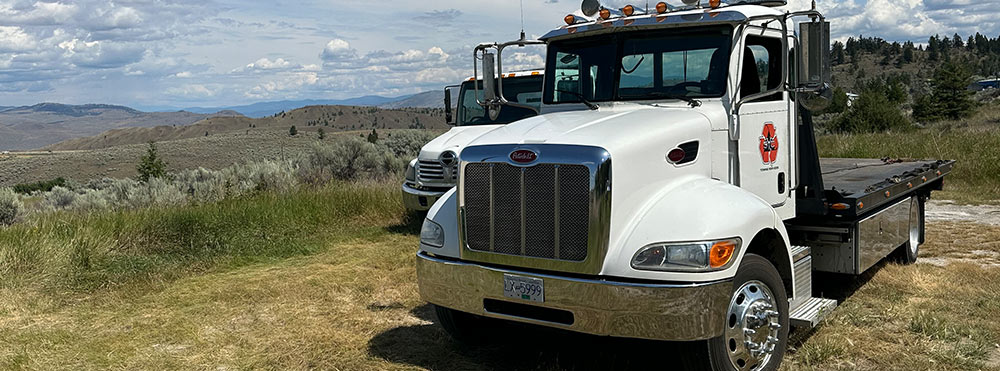
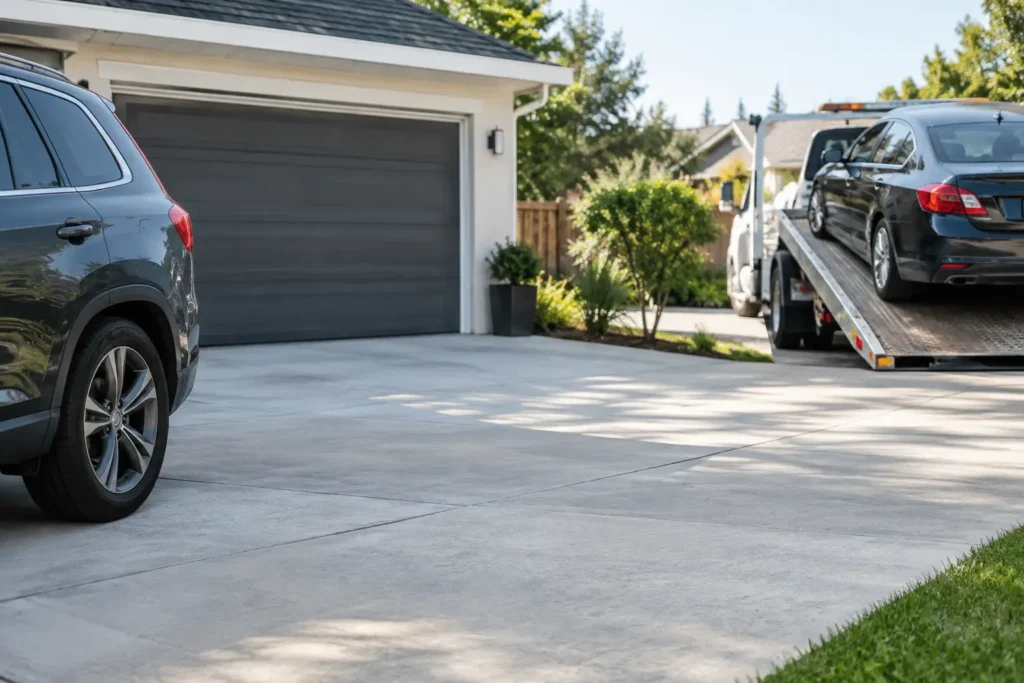
Professional vehicle removal is often the simpler option because it deals with the vehicle where it sits. A qualified local operator can assess access, handle a vehicle that does not run, and take it away without asking you to arrange a tow separately. For a homeowner who wants the driveway back quickly, that matters.
Speed is especially useful when the vehicle is blocking your routine. If you are preparing to move, expecting guests, cleaning up an inherited property, or responding to a property concern, a long back-and-forth process is the last thing you need. One direct call is usually better than weeks of waiting for someone else to follow through.
What to Have Ready Before Pickup
The process is simple, but a little preparation makes it easier. When you call, be ready to describe the vehicle’s general condition, where it is parked, and whether it can move. Mention anything that affects access, such as a steep driveway, a tight gate, soft ground, or another vehicle that must be moved first.
You should also remove your personal items. Check the glove box, center console, trunk, under the seats, and any storage compartments. People often find documents, sunglasses, garage remotes, tools, or old paperwork after they thought the vehicle was empty.
Keep any available ownership paperwork nearby and ask what documentation is needed for your situation. Requirements can vary based on the vehicle and circumstances, so it is better to confirm before pickup than search for papers at the last minute. If the vehicle belonged to a family member or came with a property, explain that when you call so the process can be handled properly.
Most importantly, make sure the pickup area is accessible at the agreed time. Move working vehicles if they block the route and keep pets and children away from the driveway while the vehicle is being loaded. This is a quick job when everyone has room to work safely.
Do Not Let a Driveway Problem Become a Property Problem
A disabled vehicle can feel easy to ignore when it is parked at the edge of the property. Still, weather, time, and inactivity rarely improve the situation. It may sink into soft ground, gather debris, become harder to access, or create an eyesore that affects how you feel about your home.
There is also the issue of responsibility. An uninsured or non-operational vehicle can raise questions that homeowners would rather avoid. Local rules and neighborhood expectations differ, but waiting until someone complains is rarely the best approach. Taking care of it on your own timeline gives you more control.
For rural properties, the concern may be less about neighborhood visibility and more about access. A blocked drive can interfere with snow clearing, deliveries, equipment, or emergency access. In towns and cities, limited parking makes every driveway spot more valuable. Either way, the vehicle is using space that could serve your household better.
A Local Pickup Makes the Job Easier
When you call a local removal company, you are not looking for a complicated automotive consultation. You need someone who understands the area, can respond clearly, and can remove the vehicle without adding more work to your day. That personal service matters, particularly when the vehicle is in a difficult location or you need prompt help.
Scrap Your Car serves homeowners throughout Salmon Arm, Vernon, Kelowna, Kamloops, and surrounding Interior communities with straightforward unwanted vehicle pickup. The goal is simple: you make the call, provide the details, and let professionals handle the removal.
Do not be afraid to ask direct questions about timing, access, and what you need to have ready. A dependable provider will give you clear answers instead of vague promises. If same-day pickup is possible, great. If scheduling is needed, you should still know what to expect and when your driveway will be clear.
Give Your Driveway a Better Job
Once the unwanted vehicle is gone, resist the urge to let the open space become another storage area. Use it for what you needed in the first place: reliable parking, easier access, a cleaner property, or room for the people who live and visit there.
The best time to deal with an unwanted vehicle is usually before it creates one more inconvenience. Make the call, clear the space, and enjoy the small but real relief of pulling into a driveway that works for you again.