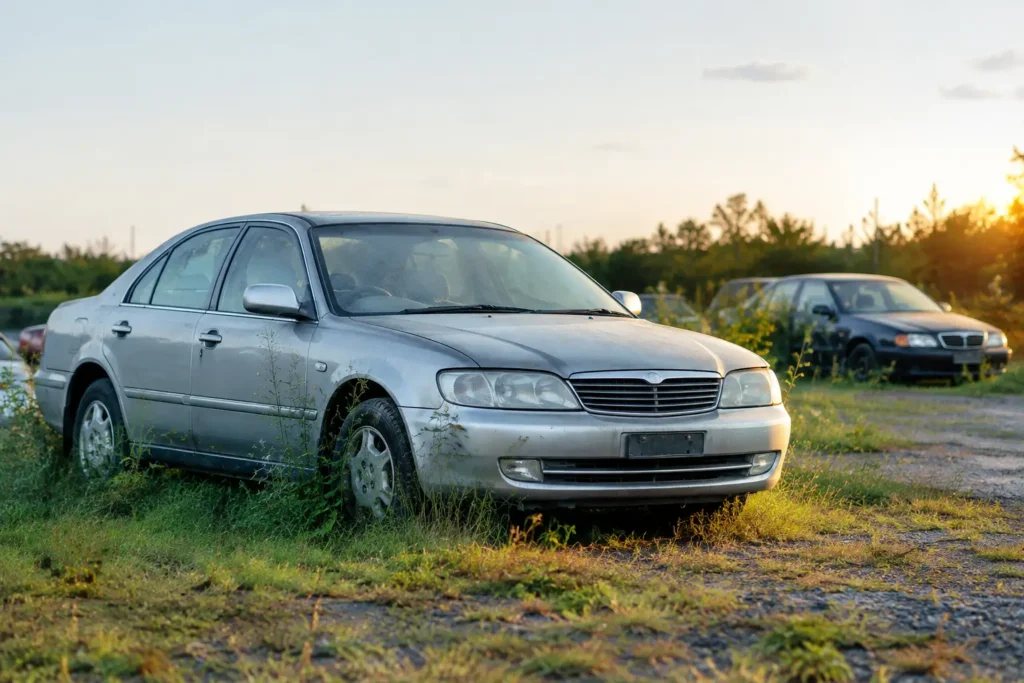
A vehicle can look harmless when it has not moved for months. It is parked at the edge of the driveway, behind the garage, or on a rural property where nobody pays much attention to it. But car sitting unused liability is real. Once a vehicle is uninsured, deteriorating, leaking, unsecured, or creating an obstruction, it can become more than an eyesore. It can create safety concerns, insurance questions, neighbor complaints, and expensive headaches for the owner.
For many people, the plan was temporary: fix it later, find time to sell it, or wait until a family member decides what to do. Then one season turns into several. If the car no longer runs and you do not intend to repair it, dealing with it now is usually simpler than waiting for the problem to get bigger.
How Car Sitting Unused Liability Builds Over Time
Liability is not limited to driving a vehicle. Property owners can also face responsibility when something on their property causes harm or creates a preventable hazard. An unused vehicle may not be on the road, but it can still be accessible to children, visitors, animals, or anyone who enters the property.
A car that has been sitting can develop issues quietly. Hoses and seals break down. Fluids may seep out. Wiring can be damaged by rodents. Windows may crack, doors may stop locking, and a vehicle that once seemed secure can become easy for someone to enter. If the vehicle is on a slope, has poor parking support, or is moved improperly, there is also a risk of it rolling or causing property damage.
The longer it sits, the harder it becomes to judge its condition from the outside. A vehicle that appears to be just old may actually have sharp rusted edges, a weak hood latch, damaged glass, unstable body panels, or a serious fluid leak underneath. Those conditions matter if someone gets hurt while looking at it, climbing around it, or trying to move it.
Insurance May Not Cover What You Expect
Many owners assume their homeowner policy will take care of any problem that happens on the property. That is not always the case. Insurance policies often have specific limits and exclusions involving vehicles, especially when the vehicle is unregistered, uninsured, not maintained, or involved in an incident it was not intended to be part of.
If an unused vehicle causes damage to a fence, garage, another vehicle, or a neighbor’s property, the question of coverage can become complicated. The same is true if a visitor is injured near the vehicle. Coverage depends on the policy language, the vehicle’s status, how the incident occurred, and whether the owner took reasonable steps to prevent a foreseeable problem.
Letting insurance lapse can create another concern. A vehicle might not be driven, but if it is still stored where it can be accessed, moved, or damaged, you may have less protection than you think. It is worth reviewing your policy or speaking with your insurer if you plan to keep a vehicle parked long term. Do not assume that “not driving it” means there is no exposure.
Property and Bylaw Problems Can Start Small
An unwanted vehicle can take up far more than a parking spot. It can block access for other cars, make yard work harder, limit room for guests, and create a cluttered appearance that affects how the property is used. In tight neighborhoods, it may also draw attention when it is visibly deteriorating or parked where it should not be.
Local rules vary by community, but abandoned-looking or inoperable vehicles can lead to complaints and enforcement issues. A vehicle parked on public property, left too long in a visible location, or stored in a way that creates a safety concern may bring unwanted calls, notices, or fines. Rural properties can offer more space, but that does not make a deteriorating vehicle risk-free. Leaks can affect soil, and an unsecured vehicle can still attract trespassers or wildlife.
The practical issue is that waiting rarely makes the vehicle easier to deal with. Tires lose air, brakes seize, parts corrode, and the car becomes more difficult to move. What could have been a straightforward pickup can turn into a larger property-access problem later.
The Safety Risks People Often Miss
Most owners recognize obvious problems such as broken windows or a vehicle that will not start. The less obvious risks are the ones that often go unnoticed until something happens.
An unused car may become a shelter for rodents, insects, or other animals. Nesting material around wiring and under the hood can create damage and, in some situations, a fire concern. Moisture can also build up inside the vehicle, leading to mold, weakened upholstery, and unpleasant odors that make the car harder to handle.
A vehicle with a dead battery may seem inactive, but its electrical system and other components can still be compromised. Fuel systems, cooling systems, and brake lines do not improve with age and neglect. If a family member decides to start it after a long period, there can be unexpected mechanical issues.
Children are another serious consideration. An unlocked car can be tempting to explore, particularly if it is parked close to a home. Keeping keys out of reach and securing the vehicle can reduce some risk, but it does not solve the problem of a vehicle that has become unsafe to keep.
When Keeping the Car Still Makes Sense
Not every parked vehicle needs to go. A clean, secure vehicle that is properly stored, maintained, and insured may be worth keeping if it is a restoration project, seasonal vehicle, or family car waiting for a specific repair. The key is having a real plan, a safe storage arrangement, and the budget to follow through.
Ask yourself a few honest questions. Do you know what is wrong with it? Is the repair cost reasonable compared with its value? Is it insured or otherwise protected appropriately? Can it be secured and maintained where it is? Most importantly, do you realistically expect it to be back on the road?
If the answer is no, holding onto it often means paying for the same problem in smaller pieces: lost parking space, mounting deterioration, insurance uncertainty, potential complaints, and continued stress every time you look outside.
A Simple Way to Reduce the Risk
Removing an unwanted vehicle from the property eliminates many of the concerns at once. There is no longer a deteriorating car taking up space, no reason to worry about unauthorized access, and no need to keep putting off a decision that has become a burden.
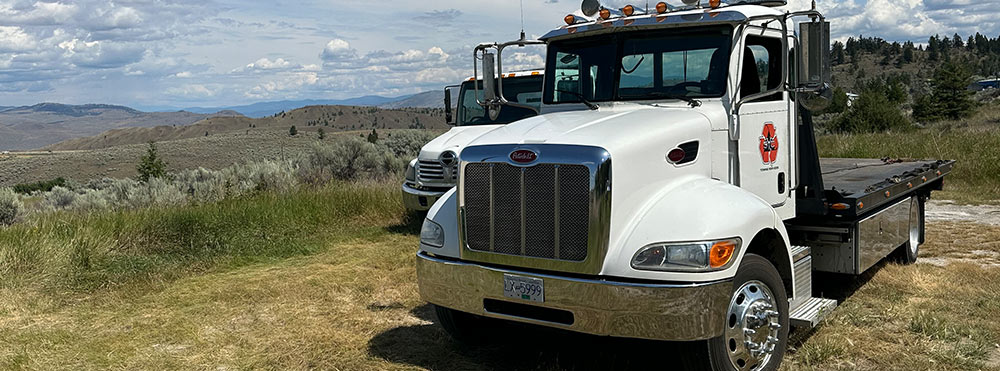
For homeowners and property owners across the Interior, a local pickup service can be the practical option when the vehicle does not run, has major mechanical damage, or is simply not worth repairing. Scrap Your Car provides straightforward vehicle removal so owners can clear the space without trying to arrange a tow or figure out how to move a disabled vehicle themselves.
Before pickup, remove your personal belongings and paperwork from the vehicle, then have any ownership documents you may need ready. A quick call can help confirm what information is required and whether the pickup location is accessible. This is especially helpful for vehicles parked in backyards, on acreage, or in tight driveways.
An unused car does not have to become a liability story. If it has been sitting long enough that you no longer trust it, use it, or want it on the property, clearing it out is a sensible step toward a safer, more usable space.