

A vehicle that has not moved in years can turn from an annoyance into a real property problem fast. This guide to removing derelict vehicles explains what to do before arranging pickup, how to avoid common holdups, and when it is time to call a local professional rather than keep putting the decision off.
For many homeowners, the issue starts small. A car breaks down, the repair estimate is more than the vehicle is worth, and it gets parked at the side of the house or at the back of an acreage. Months become years. Tires flatten, weather takes its toll, rodents may move in, and the vehicle becomes one more thing on a growing to-do list.
Getting it removed is usually simpler than trying to repair, store, or sell a vehicle that no longer has a practical future. The key is knowing what you need to have ready and choosing a removal service that can handle the vehicle where it sits.
When a Vehicle Has Become a Removal Problem
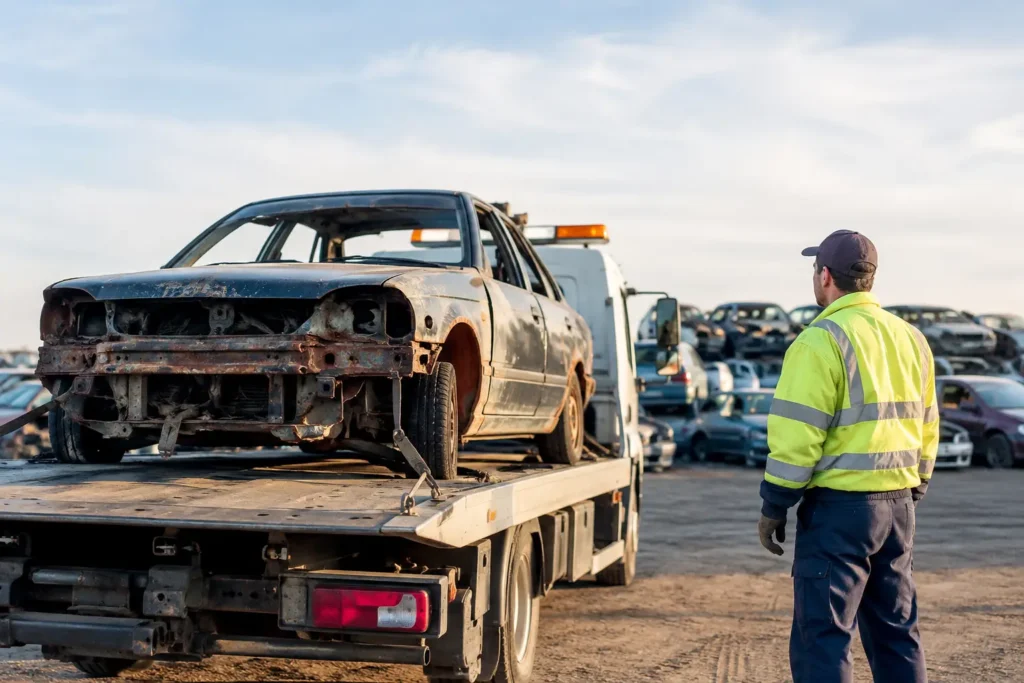
A derelict vehicle is not just an old car. It is a vehicle that is no longer being used and may be unsafe, inoperable, uninsured, damaged, or too costly to put back on the road. It could have a failed transmission, severe engine trouble, electrical problems, collision damage, or years of weather exposure.
The deciding question is practical: are you realistically going to repair and use it? If the answer has been “maybe someday” for several seasons, removal may be the better choice.
Leaving a dead vehicle on your property can create more than visual clutter. Leaks can stain a driveway or seep into soil. Broken glass, loose panels, and unstable doors can be unsafe around children and pets. In some neighborhoods, a vehicle left in view for an extended period can also lead to bylaw complaints. Rural properties may have more space, but a non-running vehicle still occupies a useful parking area, shed access route, or work space.
There is also the mental side of it. People often underestimate the relief of looking out at a clean driveway, yard, or side lot after a long-standing problem vehicle is gone.
Guide to Removing Derelict Vehicles: Start With Ownership
Before anyone arrives to haul the vehicle away, make sure you have the right to authorize its removal. The registered owner should be involved whenever possible. If the vehicle belongs to a family member, an estate, a tenant, or a previous property owner, pause and clarify ownership before booking service.
Have your registration or ownership paperwork available if you have it. A professional removal company may need basic vehicle details to confirm what is being collected and to make the process straightforward. If paperwork has been lost, do not assume the vehicle cannot be removed. Call first, explain the situation honestly, and ask what documentation or next steps are required in your area.
Do not arrange removal for a vehicle that does not belong to you simply because it is parked on your land. Abandoned-vehicle situations can involve property rights, police reports, strata rules, municipal bylaws, or a landlord-tenant issue. The fastest route is not always the right route when ownership is unclear.
Check for Personal Belongings First
Go through the vehicle carefully before scheduling pickup. Check the glove box, center console, trunk, under seats, door pockets, and any storage compartments. Old vehicles often hold registration papers, receipts, tools, garage remotes, house keys, prescriptions, or personal items that were forgotten years ago.
Remove license plates if required in your situation, and keep any documents you may need for your records. It is much easier to do this while the vehicle is still on your property than to realize afterward that an important item was left inside.
Make Sure the Vehicle Can Be Reached
A removal crew needs a safe, reasonably clear path to the vehicle. Look for low-hanging branches, narrow gates, steep embankments, soft ground, or other vehicles blocking access. Let the company know in advance if the vehicle is in a backyard, carport, field, underground parking area, or tight side yard.
Being upfront helps the crew arrive with the right equipment and avoids a wasted trip. A vehicle that rolls freely on a paved driveway is different from one that has sunk into soil or is tucked behind a shed. Both may be removable, but the plan needs to match the conditions.
Choose Removal Instead of Another Expensive Repair
There is no shame in deciding a vehicle is no longer worth fixing. Major repairs can quickly exceed the value of an older vehicle, especially when several systems need attention at once. A blown head gasket, serious rust, rodent damage, or a vehicle that has sat unused for years can turn a seemingly small repair into an open-ended expense.
It depends on the vehicle, its condition, and whether you have a trusted mechanic who can assess it honestly. If a repair would make the vehicle safe and reliable for years, fixing it may be sensible. But if you are facing repeated breakdowns, storage concerns, or a repair bill you do not want to take on, removing it can be the cleanest decision.
Avoid letting sunk costs make the choice for you. Money already spent on a vehicle is gone whether it remains in the driveway or not. The more useful question is what it will cost you from this point forward in space, stress, repairs, and possible bylaw trouble.
What to Expect From Professional Vehicle Removal
A dependable removal service should make the process clear. You call, describe the vehicle and where it is located, arrange a pickup time, and make sure access is available when the crew arrives. If the vehicle does not run, that is normally part of the job, not a reason to delay the call.
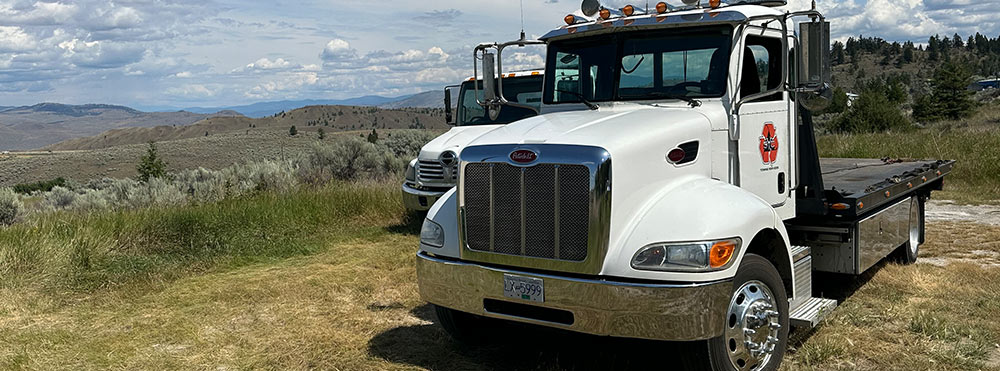
For property owners in Salmon Arm, Vernon, Kelowna, Kamloops, and surrounding Interior communities, local coverage matters. A local operator understands the realities of rural driveways, changing weather, acreage access, and the need for a prompt response when an unwanted vehicle is creating a problem.
Ask direct questions when you call. Can the vehicle be collected where it sits? What details do you need from me? How soon can pickup happen? Is there anything I should clear from the access route? Straight answers are a good sign that the service is organized and ready to help.
Scrap Your Car takes a simple, phone-first approach because most people do not need a complicated process. They need a professional to remove a problem vehicle and let them get back to using their property.
Prepare for Pickup Day
On pickup day, keep the route open and make sure the vehicle is accessible. If gates need to be unlocked or a neighbor needs to move a vehicle, handle that ahead of time. If you cannot be there, confirm the arrangements with the removal company in advance rather than assuming access will be obvious.
Take a few photos of the vehicle and its location before pickup if you want a record of its condition. This can be useful for your own files, particularly if the vehicle was part of an estate, insurance matter, or property cleanup project.
Once the vehicle is gone, inspect the area. Sweep up loose debris, look for stains, and decide how you want to use the recovered space. It may become room for a working vehicle, visitor parking, a garden project, firewood storage, or simply a cleaner view from the house.
Do Not Wait for the Problem to Get Bigger
The best time to arrange removal is usually before the vehicle becomes harder to access or starts creating a safety issue. Seasonal weather can make ground soft, block access, and turn a simple pickup into a more difficult job. If you already know the vehicle is not coming back into service, waiting rarely makes the decision easier.
A derelict vehicle does not need to keep taking up room on your property. Gather your information, clear a path, and make one call to get a clear answer on removal. A little action now can turn a long-running source of frustration into open space and one less thing to worry about.