

Floodwater can turn a dependable vehicle into a problem sitting in your driveway, garage, or yard. Knowing how to scrap flood cars helps you stop the damage from getting worse, clear space on your property, and avoid putting more money into a vehicle that may no longer be safe or practical to repair.
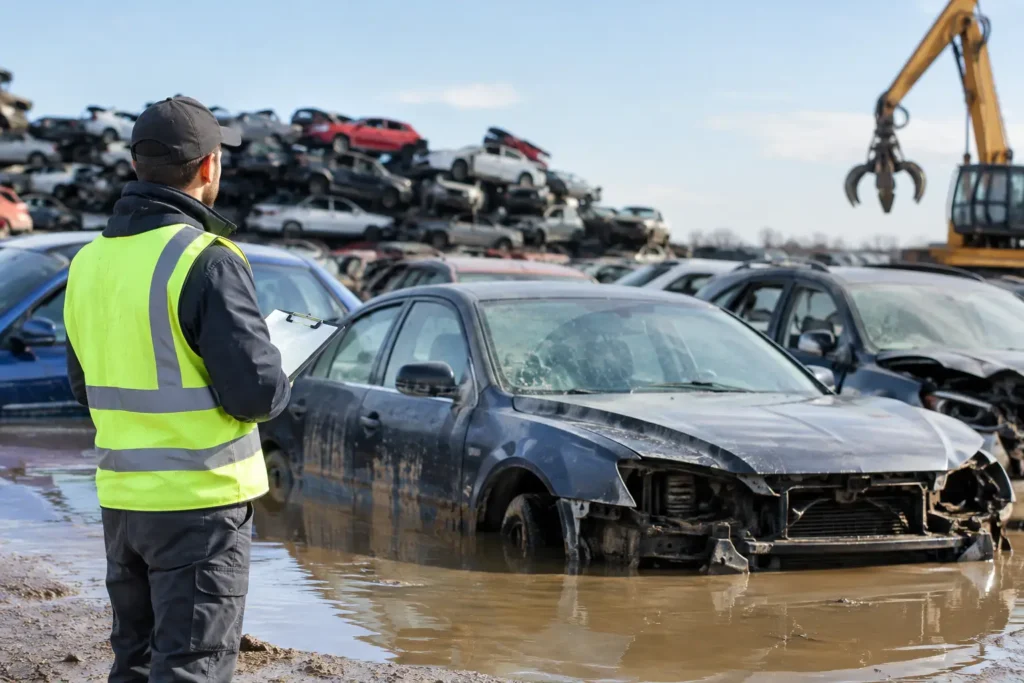
A flooded car is not always an obvious total loss. It may start, move, and look fine after the water recedes. But water can affect electrical systems, interior materials, brakes, fluids, and safety equipment long after the vehicle dries out. If the floodwater was deep, dirty, or left standing inside the vehicle, scrapping it is often the straightforward choice.
How to Scrap Flood Cars Safely
The first step is to treat the vehicle as damaged, even if it appears usable. Do not rush to start it, especially if water reached the engine area, dashboard, or electrical components. Starting a vehicle after a flood can create more mechanical damage and may create a safety risk.
If the vehicle was submerged or had water inside the cabin, take a few photos before anything is moved. Photograph the water line, interior damage, exterior condition, and vehicle identification number. This documentation can be useful if you are dealing with an insurance claim, a landlord, a property manager, or local authorities.
Next, remove your personal belongings. Check the glove box, center console, trunk, under seats, door pockets, and any storage areas. Flood cleanup is stressful, and important documents, garage remotes, medication, tools, and personal items are easy to miss.
Once your belongings are out, avoid trying to dry and repair the vehicle yourself unless you fully understand the extent of the damage. A wet carpet may be the least of the problem. Corrosion and electrical issues can continue developing behind panels and under the dashboard, creating ongoing reliability concerns.
Decide Whether Repair Makes Sense
Not every water-damaged vehicle needs to be scrapped. A car exposed to a small amount of clean water, caught early, may be repairable. The decision depends on how high the water reached, how long it remained in the vehicle, the age and value of the car, and the cost of a proper inspection and repair.
Floodwater that reaches the floor area can damage wiring and interior materials. Water that reaches the seats, dashboard, or engine compartment is more serious. Saltwater, sewage-contaminated water, and muddy floodwater can cause extensive corrosion and contamination, even when the vehicle looks normal after drying.
Be realistic about repair estimates. A vehicle with a history of major flood damage can be difficult to insure, sell, or trust for daily transportation. Repairs may look manageable at first, then grow once hidden moisture and electrical faults are found. If the car was already older, uninsured, non-running, or in need of other major work, putting more money into it may not make sense.
A professional inspection can help if you are on the fence. But if you already know the vehicle has severe water damage and you want it gone quickly, arranging removal may be the better path.
Gather the Paperwork Before Pickup
Having the right paperwork ready keeps the process simple. In most cases, you will need proof that you own the vehicle, such as the title or registration. Requirements can vary depending on where the vehicle is registered and its condition, so it is wise to ask what documentation is needed when you call for pickup.
If the vehicle is part of an insurance claim, speak with your insurer before arranging disposal. They may need to inspect the vehicle, approve the next step, or confirm that they no longer need access to it. Do not assume the claim is finished just because the car is no longer drivable.
You should also check your local requirements for license plates and registration. In some situations, plates may need to be returned or handled separately before the vehicle leaves your property. This is a small detail that can prevent confusion later.
If you cannot find your ownership documents, do not guess or wait until the vehicle becomes a bigger nuisance. Call a local removal professional and explain the situation. They can tell you what information is required before scheduling service.
Keep a Flood-Damaged Car From Becoming a Property Problem
A flood-damaged vehicle can create headaches even when it is parked and not being driven. Water trapped inside can lead to mold, unpleasant odors, and deteriorating materials. It can also attract complaints if the vehicle is left visible for a long period or becomes an obstruction on a residential or rural property.
This is especially true when a vehicle has been sitting after a storm, mechanical failure, or insurance delay. Homeowners often intend to deal with it later, but later can turn into months. Meanwhile, the car takes up parking space, makes yard work harder, and becomes one more unfinished task hanging over the household.
If the vehicle is parked in a garage or near your home, do not let contaminated water and moisture sit longer than necessary. Keep children and pets away from the interior, particularly if the floodwater may have contained sewage, fuel residue, or other contaminants. If you must access the vehicle, use gloves and avoid handling soaked materials unnecessarily.
What to Tell a Local Scrap Car Removal Company
A quick phone call is usually all it takes to start the process, but clear details help make pickup smoother. Tell the removal company that the vehicle was flood-damaged and describe whether it starts, rolls, or has been sitting for a long time. Let them know where it is located on the property and whether there are access concerns, such as a narrow driveway, soft ground, a steep grade, or a blocked gate.
You should also provide the vehicle’s year, make, and model, along with your general location. This allows the company to plan the right equipment and give you a clear idea of timing. If the vehicle is in a difficult spot, honesty upfront prevents delays on pickup day.
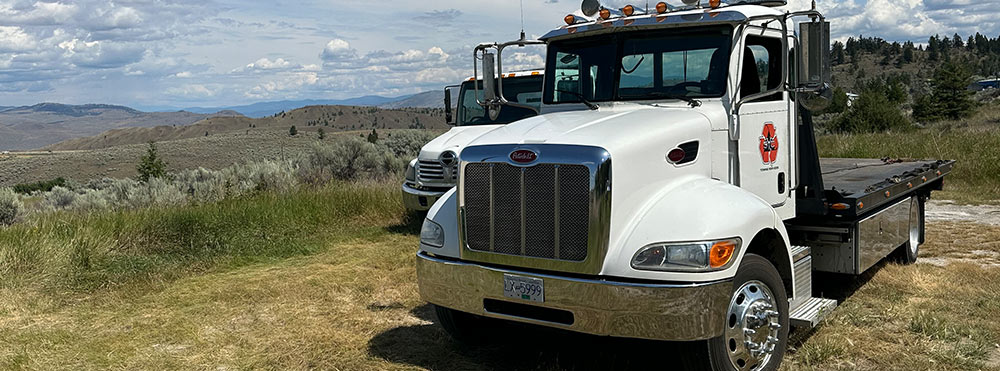
For residents throughout Salmon Arm, Vernon, Kelowna, Kamloops, and nearby Interior communities, a local company understands that many vehicles are stored on rural properties, gravel driveways, acreage, or seasonal homes. The goal should be simple: get the damaged vehicle removed without creating more work for you.
Scrap Your Car focuses on quick, professional vehicle removal for owners dealing with unwanted, non-running, and badly damaged vehicles. When a flood-damaged car is taking up space and you are ready to move on, a direct phone call can be much easier than trying to arrange repairs, storage, and transport on your own.
Do Not Pass a Flood Car to Another Driver Without Disclosure
One of the biggest mistakes people make is trying to sell or give away a flood-damaged vehicle without clearly disclosing what happened. Even if the car starts after drying out, hidden damage can affect its safety and reliability. The next driver deserves to know what they are dealing with.
Trying to move a severely flooded car to someone else can also create ongoing calls, disputes, and stress. Scrapping is often the cleaner choice when the damage is significant, the repair costs are uncertain, or you simply do not want to be responsible for a vehicle with a questionable future.
Make the Next Step Easy
Flood damage is disruptive enough without an unusable car becoming a long-term fixture on your property. Take photos, confirm your paperwork and insurance status, remove your belongings, and arrange pickup when you are ready.
Getting the vehicle out of your driveway will not undo the flood, but it can clear one immediate problem off your list and give you back the space and peace of mind you need.