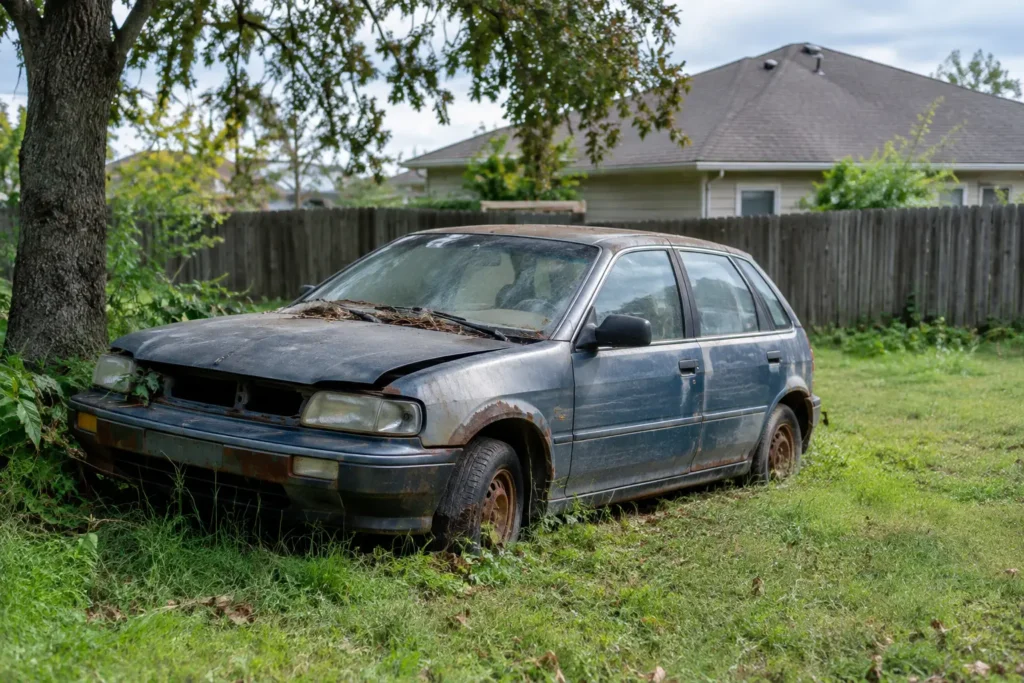
A vehicle that has been sitting behind the garage or at the edge of a rural driveway can become more than an eyesore. Abandoned car hazards can build quietly over time, especially when a vehicle is uninsured, damaged, non-running, or exposed to the Interior’s changing weather. What starts as a project for another day can turn into a safety, property, or bylaw problem that is harder to deal with later.
For many homeowners, the issue is not whether the vehicle can be repaired. It is whether keeping it is still worth the space, worry, and risk. If the answer is no, prompt professional removal is usually the simplest path forward.
Why Abandoned Car Hazards Get Worse With Time
An old vehicle does not need to be moving to create trouble. Parked cars still contain fluids, batteries, wiring, sharp metal, glass, and heavy components. As seals dry out, hoses crack, and body panels rust, the chance of a small problem becoming a larger one rises.
Weather speeds up that process. Rain and snow can collect inside a vehicle with broken windows or damaged weather stripping. Freeze-thaw cycles can weaken rusted metal and make doors, hoods, and trunks less predictable to open or close. On rural or wooded properties, fallen branches and animal activity can add to the damage.
A vehicle may also become easy to overlook because it is familiar. You walk past it every day, so the dented panel, flat tire, or stain underneath may no longer stand out. Visitors, children, neighbors, and local officials may see it differently. That is why it helps to look at an unused vehicle with fresh eyes and ask one practical question: Is this still safe to keep here?
Common Abandoned Car Hazards Around the Home
Fluid leaks can affect your driveway and soil
Older or damaged vehicles may leak oil, coolant, brake fluid, fuel, or other automotive fluids. A slow drip on pavement can create a slippery spot. On gravel, grass, or bare soil, fluids can spread unnoticed and make cleanup more difficult.
The risk depends on the vehicle’s condition and where it is parked. A vehicle sitting on an open gravel area may not create the same immediate slip risk as one on a driveway, but it can still affect the ground around it. If you see fresh stains, smell fuel, or notice a rainbow-colored sheen in standing water nearby, avoid trying to move or start the vehicle yourself. Keeping people and pets away from the area is the safer choice.
Fire and electrical concerns are easy to underestimate
A non-running vehicle can still have electrical issues. Damaged wiring, corroded connections, and aging batteries can create hazards, particularly when rodents have nested under the hood or inside the cabin. Rodent damage is common in vehicles that sit unused for long periods, and chewed wiring can make a vehicle unpredictable.
Trying to boost-start an old vehicle after months or years of sitting is not always a harmless test. If there are leaking fluids, damaged electrical components, or unknown mechanical failures, it may create more trouble than it solves. A vehicle that is clearly beyond practical repair is better handled as a removal job than a driveway experiment.
Rust, broken glass, and loose panels can cause injuries
Rust is not only cosmetic. It can weaken door hinges, trunk lids, floorboards, bumpers, and other panels. A heavy hood or trunk that no longer stays open properly can fall without warning. Broken glass, sharp rusted edges, and loose trim can also injure anyone who climbs in, reaches inside, or tries to clear debris from the vehicle.
Children are especially at risk because an abandoned vehicle can look like a place to play or hide. Even a locked car is not a complete solution if windows are broken, keys are accessible, or doors do not latch correctly. Keep children away from unused vehicles and do not use them as storage for household items.
Pests can turn one vehicle into a property-wide problem
Unused vehicles offer shelter from rain, wind, and predators. Mice and other small animals may nest in the engine bay, under seats, or in the trunk. In some cases, insects can also make a home in undisturbed areas of the vehicle.
This is more than an inconvenience. Animals can damage wiring and insulation, leave droppings, and move from the vehicle into sheds, garages, or nearby buildings. A vehicle parked near a home, woodpile, or outbuilding can become one more place for pests to settle in.
It can attract unwanted attention
A visibly abandoned vehicle can signal that a property is unattended or that valuable items may be left outside. That does not mean every old car leads to theft or trespassing, but it can make a property look less secure. This concern is often greater for seasonal homes, rural properties, and places where a vehicle sits well back from the road.
Clearing out a vehicle that no longer serves a purpose improves sightlines and makes a property easier to maintain. It also removes one less obstacle when you need access for parking, snow clearing, landscaping, or an emergency vehicle.
Bylaw and Liability Concerns Are Worth Addressing Early
Local rules vary by community, so there is no single answer for every property. However, vehicles that appear abandoned, unlicensed, dismantled, or unsafe can draw complaints and bylaw attention. This is particularly frustrating when the owner already knows the vehicle needs to go but has not had time, equipment, or a way to transport it.
Liability is another concern. If someone is injured around an unsafe vehicle on your property, the situation can quickly become stressful. The same applies if leaked fluids affect a neighboring area or if a vehicle rolls because it was not properly secured. You do not need to assume the worst, but waiting rarely improves the condition of an old vehicle.
If the vehicle is uninsured and does not run, driving it to a shop or disposal location is not a practical option. That is exactly when a pickup service makes sense. It removes the need to arrange a repair, borrow equipment, or take risks trying to get the vehicle moving.
When It Is Time to Have an Unwanted Vehicle Removed
Most people already know when a vehicle has crossed the line from “maybe someday” to a problem. It may have a blown head gasket, transmission failure, severe rust, electrical damage, or years of deferred maintenance. It may also simply be taking up the one spot where you need to park.
Consider arranging removal when the vehicle is leaking, attracting pests, difficult to secure, blocking access, or becoming a source of neighbor or bylaw concerns. The same applies when repair costs no longer make sense for your budget. There is no prize for keeping a vehicle that only creates more work.
Before pickup, remove personal belongings and gather any ownership paperwork you have available. Do not spend time trying to make the vehicle look better or get it running. Give clear details about where it is parked, whether access is tight, and what condition it is in. That helps the removal process go smoothly and avoids surprises on pickup day.
A Safer, Clearer Property Starts With One Call
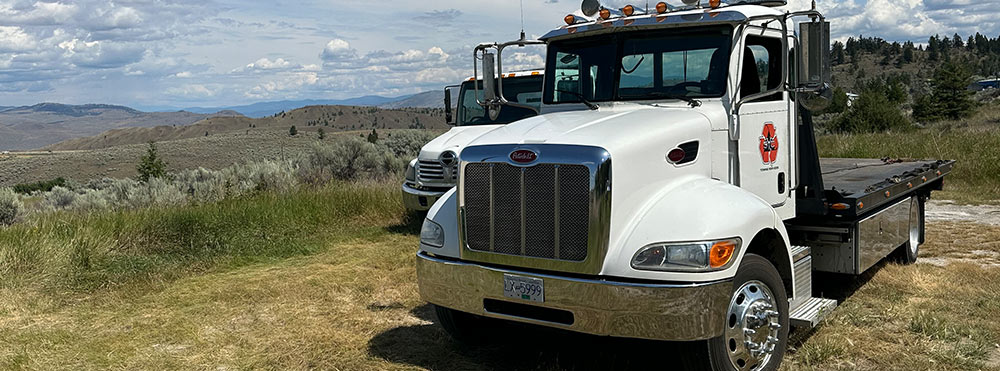
Getting rid of an unwanted vehicle is often one of those tasks that feels complicated until you hand it to someone equipped to do it. For homeowners across Salmon Arm, Vernon, Kelowna, Kamloops, and surrounding Interior communities, Scrap Your Car provides a direct way to clear out non-running and problem vehicles without adding another project to the weekend.
The best time to deal with abandoned car hazards is before a leak spreads, pests move in, or a loose panel causes an injury. Clearing that unused vehicle can give you back parking space, peace of mind, and a property that feels safer the moment it is gone.